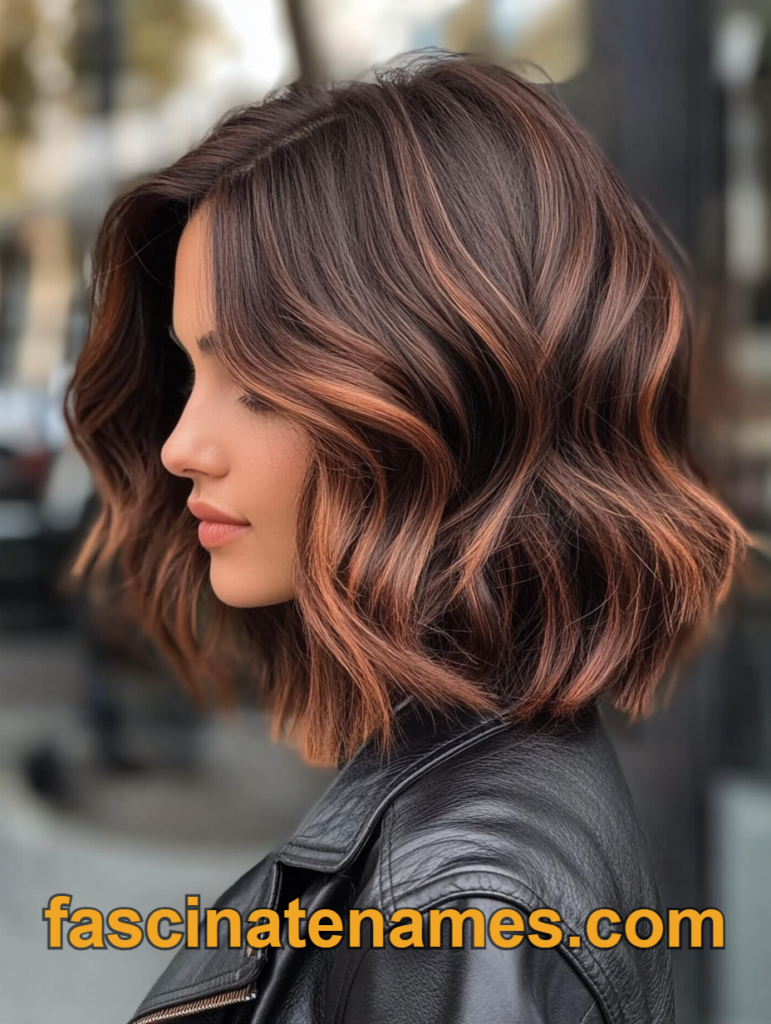
Short hair suits fall better than almost any other season. Cooler weather means scarves, collars, and beanies that show off a neat neckline. Rich autumn colors look striking on cropped lengths, and a fresh cut clears away the damage left by summer sun and salt water. The best short fall hair is easy to style, flattering, and full of personality. This guide covers 20 ideas: cuts, colors, styling routines, hair type advice, and care tips, whether you are thinking about a big chop or refreshing a style you already love.
1. Why Short Hair Works So Well in Fall
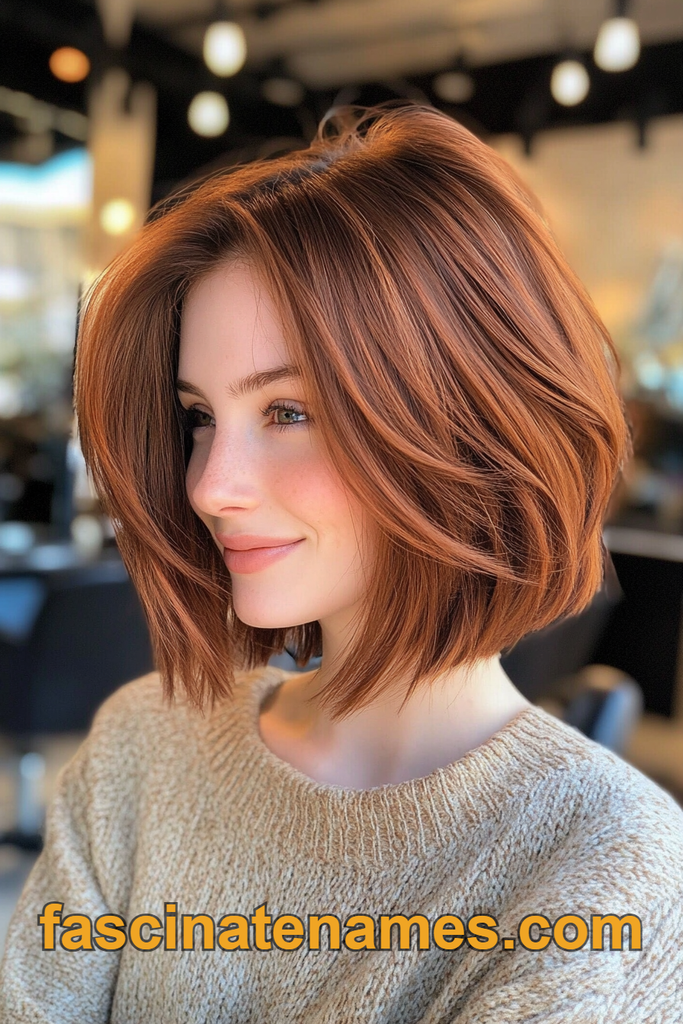
Fall fashion frames the neck and shoulders with turtlenecks, scarves, and coat collars. Long hair often gets tangled in these layers or tucked away, while short hair sits neatly and shows off your outfit and your features.
Short styles also solve common autumn problems. Wind and rain can leave long hair knotted, and hats can flatten and tangle it. A short cut dries faster, needs less product, and bounces back easily after a beanie. It also tends to look healthier because the ends are fresher, which makes color look richer and shinier.
There is a practical benefit, too. Washing, drying, and styling take less time, which helps on busy autumn mornings. Short hair is a good fit for anyone who wants a polished look with less effort.
2. Types of Short Cuts: A Quick Overview

Before you book an appointment, it helps to know the main categories. Terms vary between stylists, so bring photos to avoid confusion.
- Pixie: very short, with tapered sides and back
- Bixie: a blend of bob and pixie, with soft layers
- Bob: chin-length or shorter, cut in one length or with layers
- Shag: layered, textured, and feathered
- Crop: a short, tidy cut that follows the shape of the head
- Undercut or fade: shorter sides or nape with longer hair on top
- Lob: a long bob, technically medium-length, but often grouped with short styles
Each cut works differently with texture, density, and face shape. Ask your stylist to explain how the style will grow out and how often it needs trimming. Knowing the terms helps you describe what you want and understand what to expect.
3. Classic Pixie Cuts for Autumn
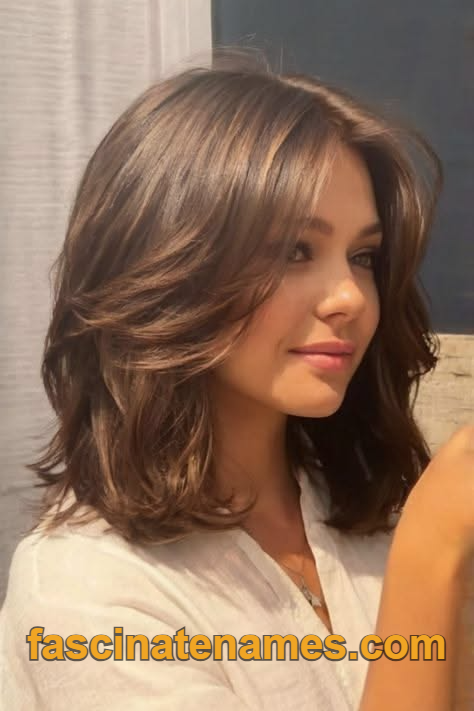
The pixie is the most iconic short cut. It is bold, low-maintenance, and highlights the eyes, cheekbones, and jawline. Autumn is a great season to try one because it pairs well with earrings, scarves, and collared coats.
Popular versions include:
- Soft, feathered pixie: wispy layers and gentle movement
- Textured pixie: longer on top with a piece-y, tousled finish
- Tapered pixie: neat sides and back with volume at the crown
- Curly pixie: shows off natural curl pattern
- Longer pixie: more length on top for styling options
Pixies need regular trims, usually every four to six weeks, to keep their shape. Ask your stylist how the cut will suit your hairline, cowlicks, and head shape. A little pomade, wax, or texture spray helps define the style, and a quick blow-dry is often all it takes.
4. Bixie and Soft Pixie-Bob Hybrids
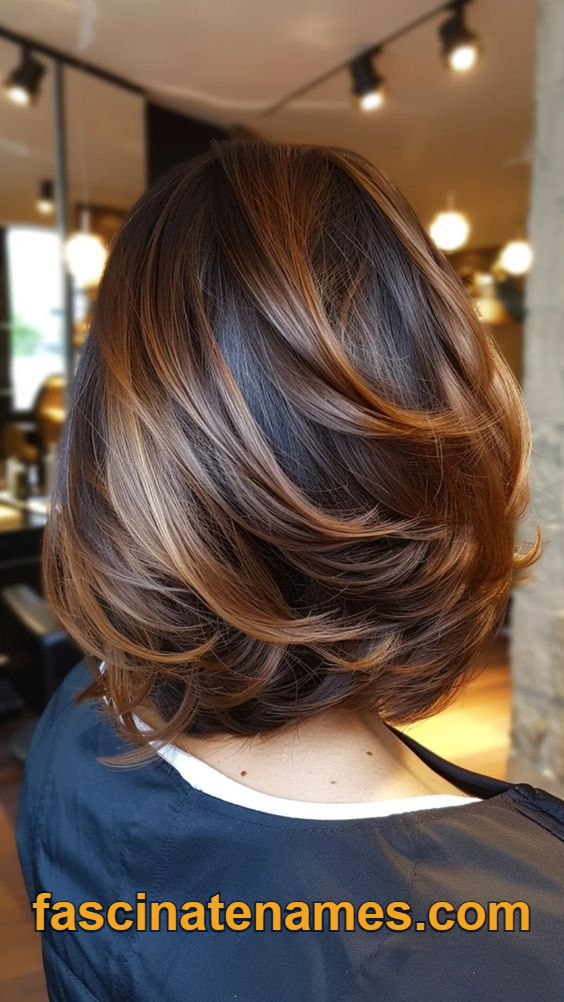
If a full pixie feels too dramatic, the bixie is a good compromise. It blends the length of a bob with the layers and texture of a pixie, so it feels short but still leaves room for styling.
Features of a bixie include:
- Feathered layers that add movement
- Short, choppy ends for a modern feel
- Longer bangs or side fringe that can be swept or pinned
- Chin-length or slightly shorter sides
- A soft, rounded shape around the crown
Bixies are flattering on many hair types, especially fine and wavy hair that benefits from volume. They also grow out gracefully, which means fewer salon visits. This is a good option if you want to test short hair without committing to a full pixie.
5. Classic and Blunt Bobs
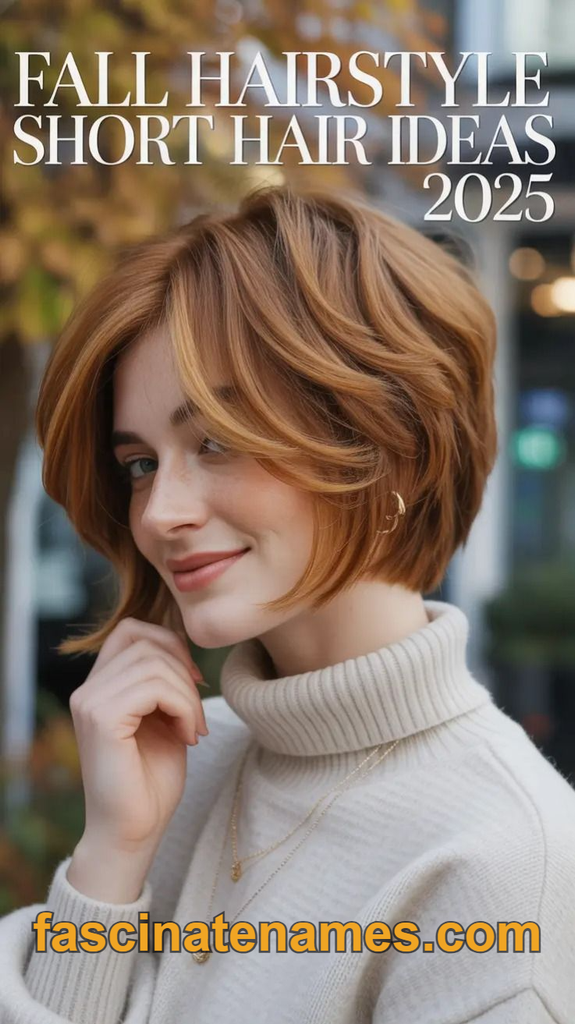
The bob has stayed popular for a century because it works. A blunt bob is sleek, sophisticated, and suits fall’s tailored coats and knitwear.
Choose from:
- Chin-length blunt bob: crisp, simple, and stylish
- Jaw-length bob: balanced and versatile
- A-line bob: slightly longer in front, shorter in back
- Inverted bob: stacked at the back for volume
- Asymmetrical bob: longer on one side for a dramatic effect
Blunt cuts can make fine hair look thicker because the ends stay dense. They work best when the hair is healthy and the ends are neat, so regular trims matter. Straight or slightly wavy hair usually looks good in a blunt bob, but curly hair can also be cut in this shape with the right technique. Ask your stylist how to handle shrinkage and volume.
6. Layered and Textured Bobs
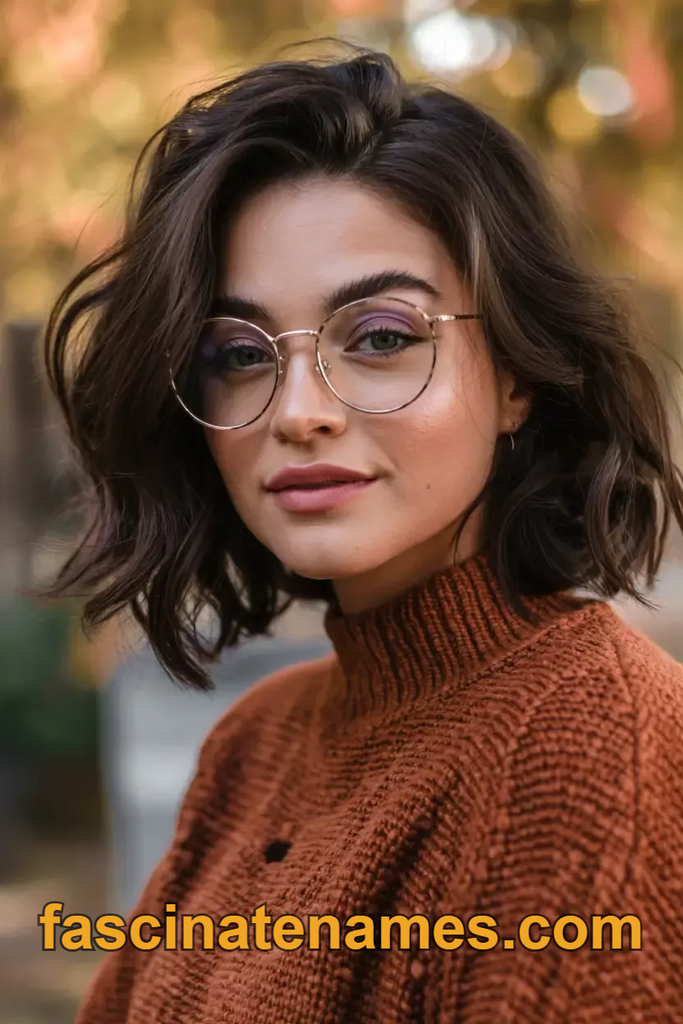
A layered bob adds softness and movement, which is helpful when you want more body or a relaxed look. Texture also makes styling easier because the shape holds without much effort.
Ideas include:
- Shaggy bob: choppy layers and a tousled finish
- Wavy textured bob: designed for natural or styled waves
- Stacked layers for volume at the back
- Face-framing layers that soften the jawline
- Razor-cut ends for a light, feathered edge
Choose the level of layering according to your hair’s density. Very thick hair can benefit from internal layers that remove bulk, while fine hair does better with subtle layers so it does not look thin. Use a texturizing spray or sea salt spray to define the shape, and finish with light hairspray if you want it to hold in windy weather.
7. French Bobs and Chin-Length Cuts
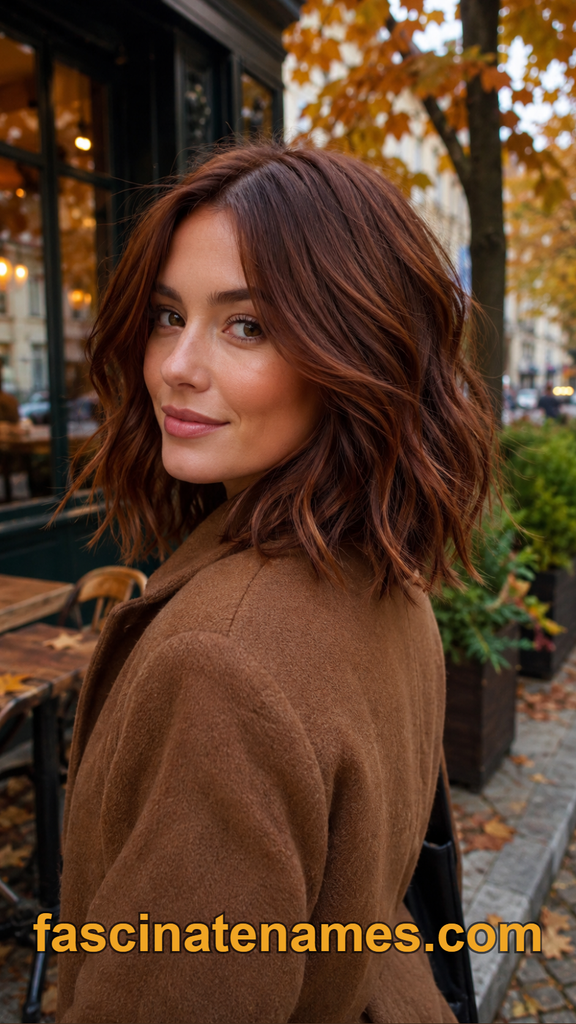
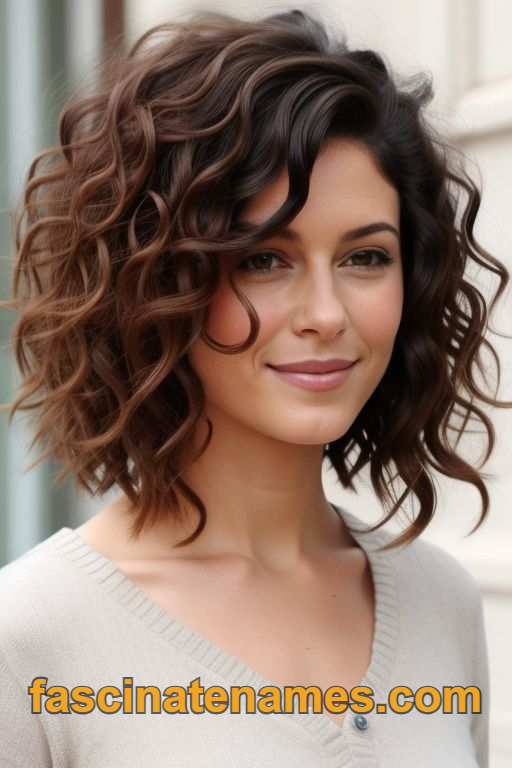
The French bob has a distinctive charm. It usually sits around the chin or slightly above, often with bangs, and has a soft, effortless finish. It suits fall’s cozy, understated fashion, particularly with knits, trench coats, and berets.
Signature details:
- Chin-length or slightly shorter
- Blunt or lightly textured ends
- Bangs or a short fringe
- A slight bend or wave
- Minimal styling
The cut works well with straight or gently wavy hair. To style it, apply a light cream and air-dry, or use a flat iron to bend the ends slightly. Add a headband or clip to change the look. If you are wearing a hat, the length tucks nicely underneath without flattening as much as longer hair.
8. Shags, Wolf Cuts, and Shaggy Short Layers
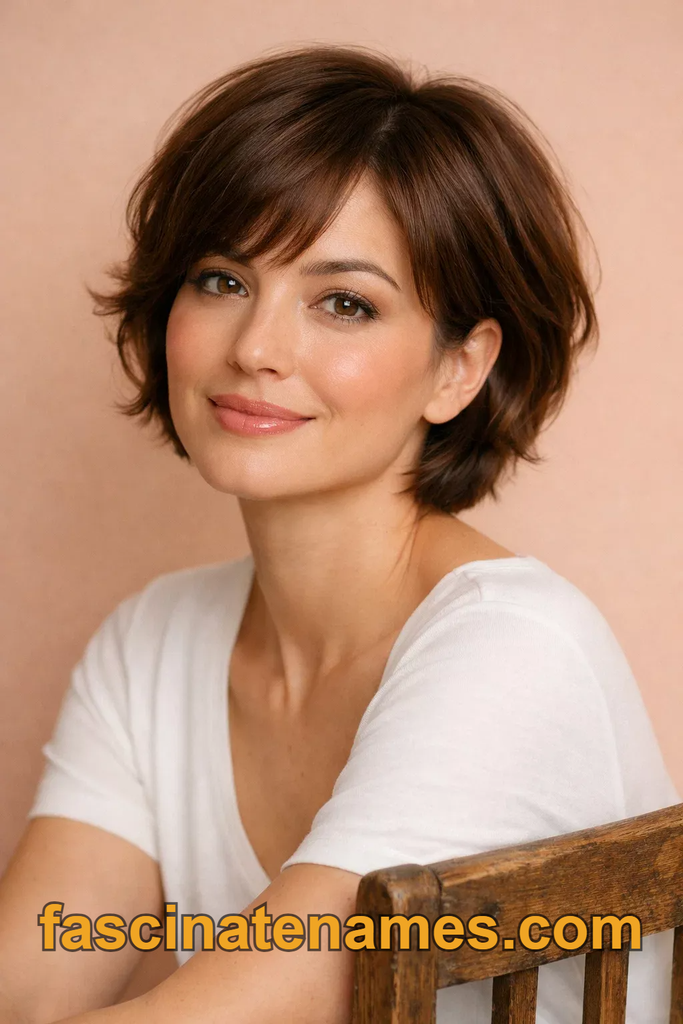
Shag and wolf cuts are among the most popular textured styles. They feature layered lengths, volume at the crown, and a slightly undone look that suits casual fall outfits.
What to expect:
- Short, choppy layers throughout
- Volume at the top with tapered lengths
- Face-framing pieces or curtain bangs
- A lived-in, tousled finish
- Options for straight, wavy, or curly hair
A short shag is especially flattering on wavy and curly hair, since layers help control shape and prevent a triangular look. On straight hair, layers create movement and texture. Use a lightweight cream or mousse to define your natural pattern, and diffuse or air-dry for a relaxed look. Shag cuts usually need a trim every six to eight weeks to keep their shape.
9. Bangs and Fringe for Short Fall Hair
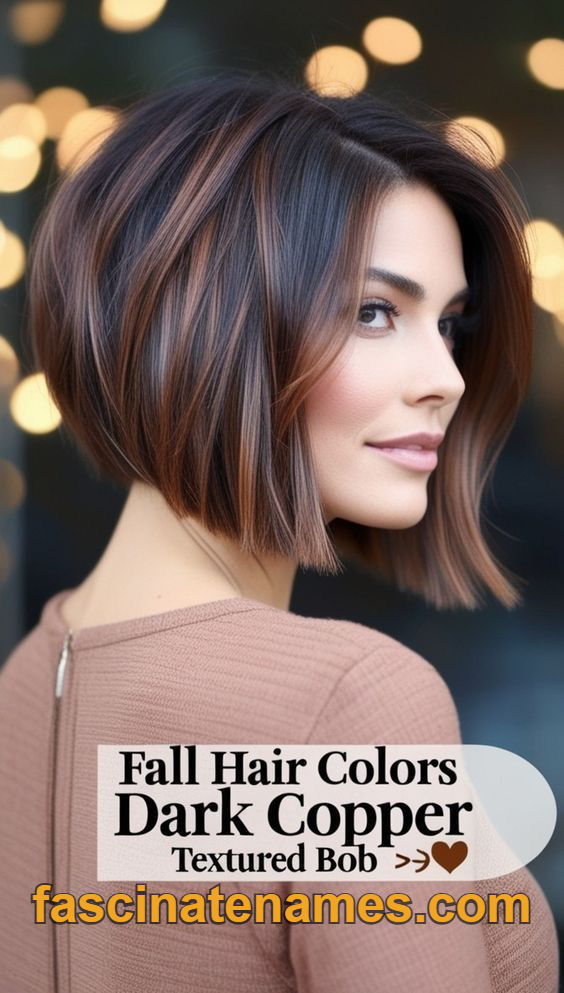
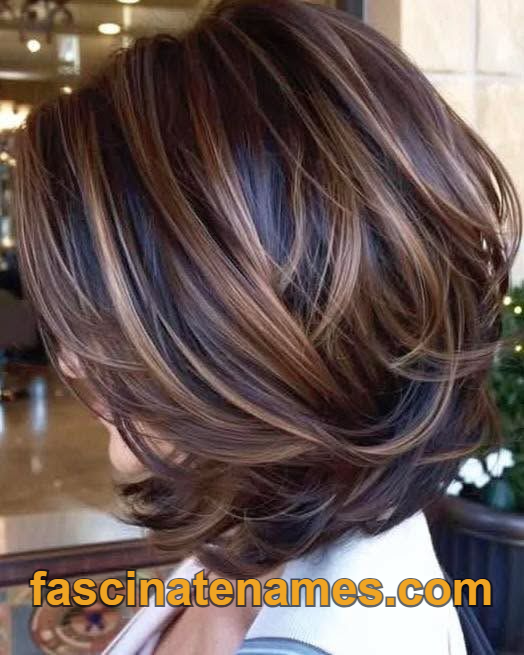
Bangs can change the entire character of a short cut. They frame the face, add interest, and can be styled several ways. Fall is an easy time to try them since there is less humidity than in summer.
Popular fringe options:
- Curtain bangs: parted in the middle and swept to the sides
- Blunt bangs: bold and graphic
- Wispy or feathered bangs: light and easy
- Side-swept bangs: soft and adaptable
- Micro bangs: short and dramatic, for a fashion-forward look
Consider your hairline, forehead shape, and cowlicks. If you have a strong cowlick, choose longer or side-swept bangs so they can be styled easily. Bangs need frequent trims, so ask whether your salon offers quick fringe touch-ups. If you are not sure, start with longer bangs that you can pin back.
10. Curly and Coily Short Cuts
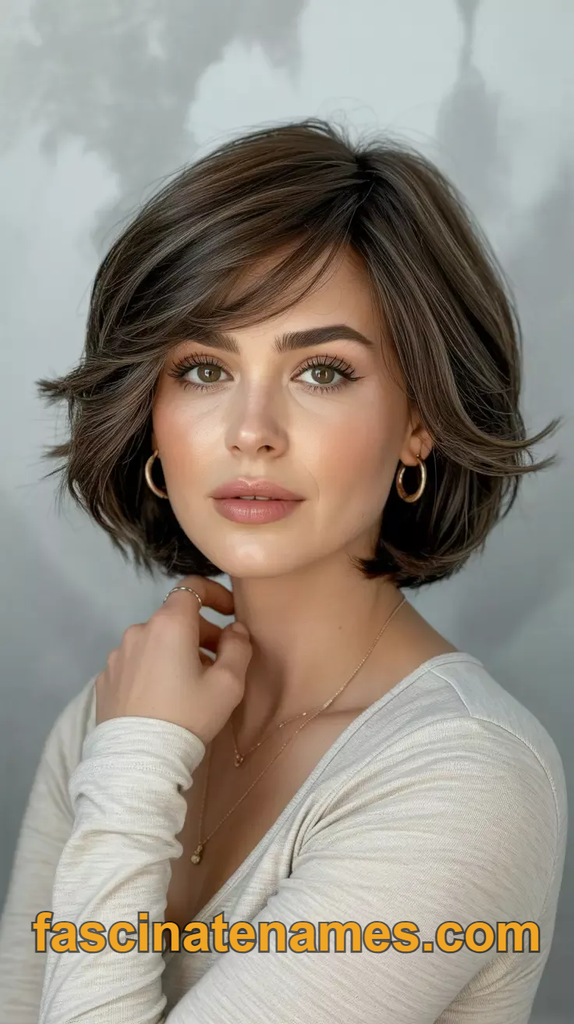
Short hair can be stunning on curly and coily textures. A good cut celebrates your natural pattern and reduces styling time.
Options include:
- Tapered cut: short sides and back with volume on top
- Curly bob: shaped to balance curls and prevent bulk
- Twist-out or wash-and-go crop: easy and defined
- Short natural cut with defined shape and clean edges
- Curly pixie: compact, bouncy, and low-maintenance
Find a stylist experienced with your curl pattern, since cutting technique matters. Many prefer dry cutting or cutting curl by curl to see how hair falls. Keep curls moisturized with leave-in conditioner, cream, or gel, and refresh with a light mist of water and product. Silk or satin pillowcases help reduce frizz, and gentle handling keeps curls defined.
11. Short Cuts for Fine or Thin Hair
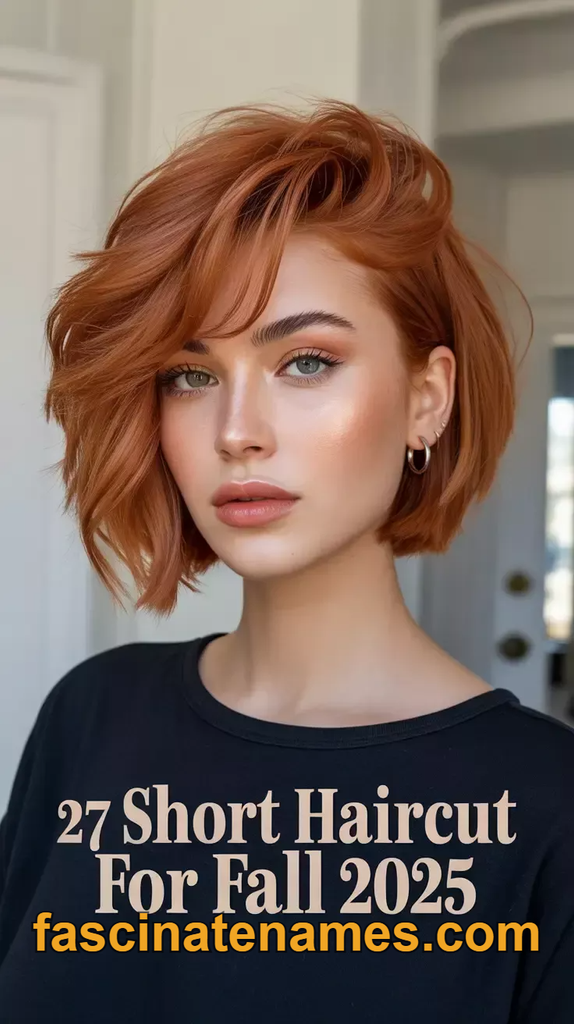
Fine hair often looks best short. Shorter lengths reduce weight, which allows hair to lift at the roots and appear fuller.
Good choices include:
- Blunt bobs for a thick-looking perimeter
- Soft pixies with layered texture at the crown
- Bixies with light layering
- Chin-length cuts with subtle graduation
- Asymmetrical styles that create visual interest
Avoid excessive thinning or razor work, which can make fine hair look sparse. Use volumizing products such as mousse, root lift spray, or dry shampoo, and blow-dry at the roots for lift. Lightweight conditioners keep hair from feeling weighed down. Hair color can help too, since highlights and lowlights create the illusion of thickness.
12. Short Cuts for Thick or Coarse Hair
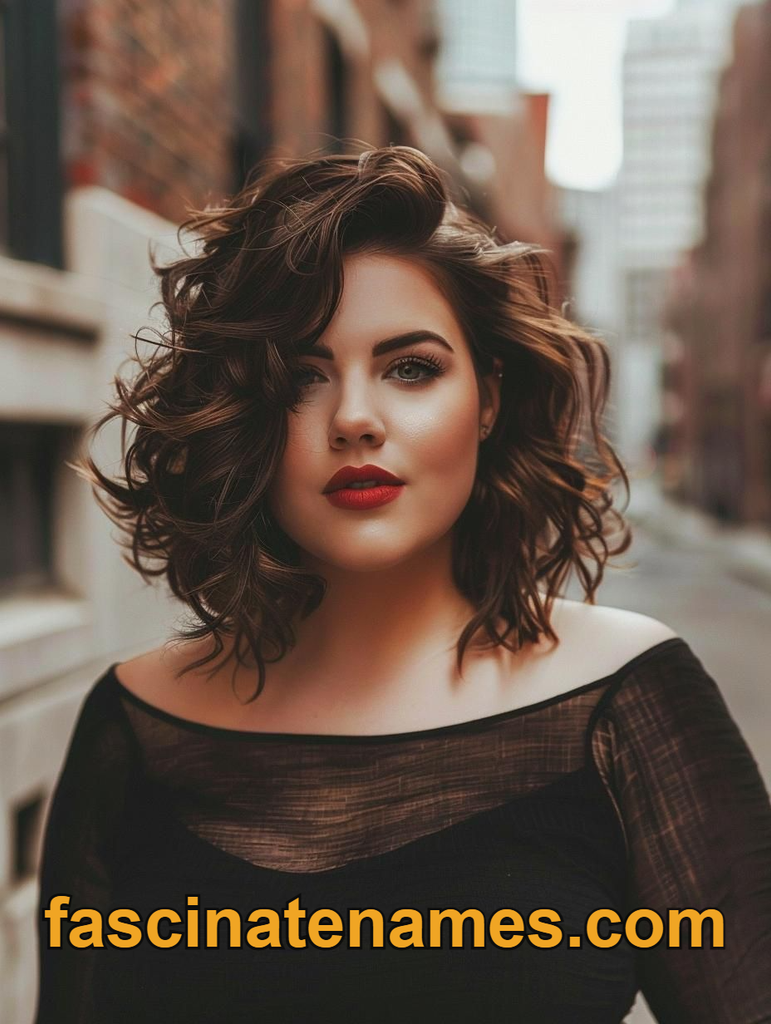
Thick hair can feel heavy and time-consuming when long. A short cut reduces bulk and can make styling much easier.
Try:
- A layered bob with internal layering to remove weight
- A textured pixie with thinning at the nape
- A shag with plenty of movement
- An undercut at the nape or sides to reduce volume
- A graduated bob that sits closer to the head at the back
Ask your stylist to remove weight without over-thinning, since coarse hair can puff out if cut poorly. Smoothing products, such as serums or creams, help tame frizz. Blow-drying with a nozzle and a round brush gives control, and regular trims maintain shape. Thick hair holds styles well, so you can enjoy a wide range of looks.
13. Fall Hair Colors for Short Hair
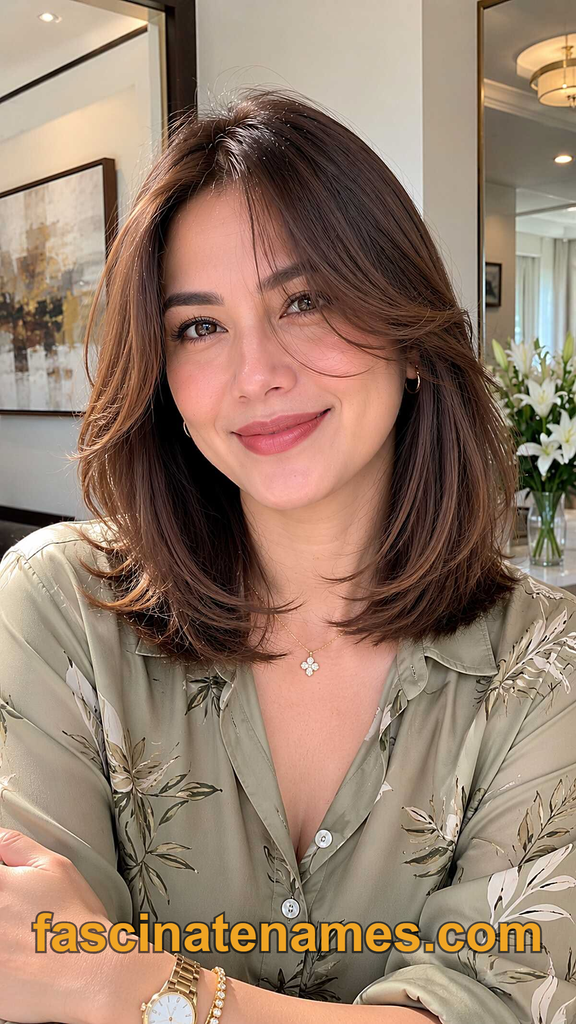
Color has a big impact on short hair because it is more visible and grows out quickly. Fall shades tend to be warm, rich, and dimensional.
Popular ideas:
- Chocolate brown: deep, shiny, and easy to maintain
- Copper and auburn: vibrant and seasonal
- Honey and caramel highlights: soft and warm
- Espresso: dark and glossy
- Golden blonde: buttery and muted
- Burgundy or mahogany tones: subtle depth with a red hint
Choose colors that suit your skin tone and lifestyle. Warm undertones often glow in copper, gold, and caramel, and cool undertones may prefer ash brown or plum-toned reds. If you want less upkeep, choose a shade close to your natural color. A gloss treatment every six to eight weeks can boost shine and refresh tone between salon visits.
14. Highlights, Balayage, and Dimension on Short Hair
Short hair can carry color techniques beautifully, but placement matters. A skilled colorist can add depth and movement in fewer inches.
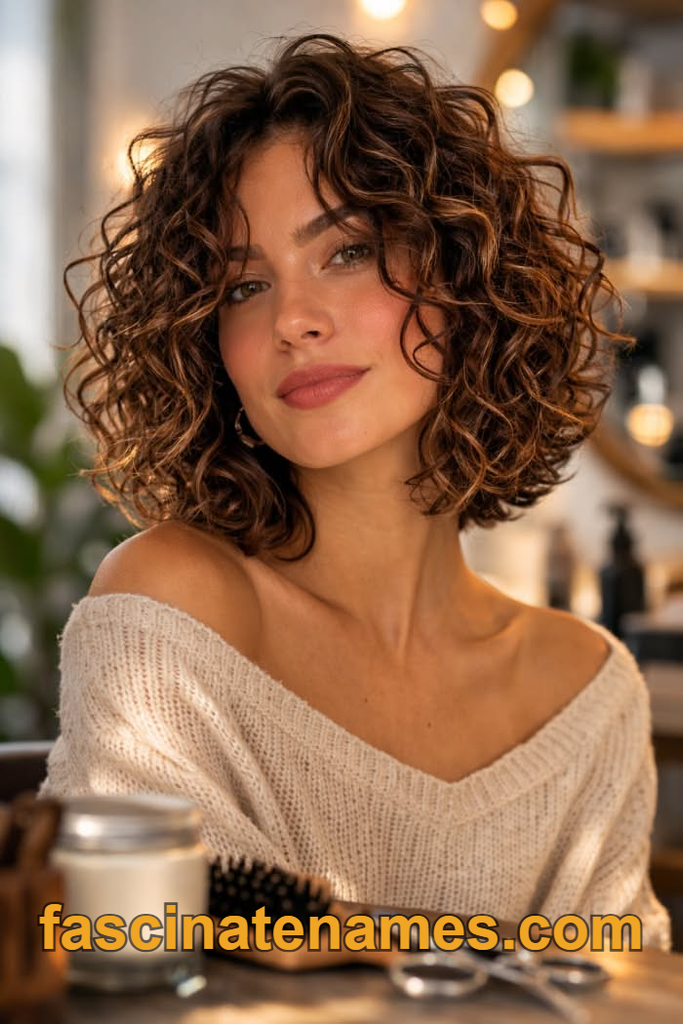
Techniques to ask about:
- Babylights: fine highlights for a natural look
- Face-framing highlights: brighter pieces around the face
- Lowlights: darker strands for depth
- Money pieces: bright, contrasting sections at the front
- Root smudging: blends roots into the length for easier grow-out
- Micro balayage: a smaller version of hand-painted highlights
On short hair, subtle color changes often look better than large blocks. Focus on the top and crown, where light hits, and keep the nape natural. Ask how the color will grow out, since shorter hair grows out visibly faster. A low-contrast style can extend the time between appointments.
15. Bold and Fashion Colors for Fall
Fall is not only for natural shades. Short hair is a great canvas for creative color, since it takes less product and time to change.
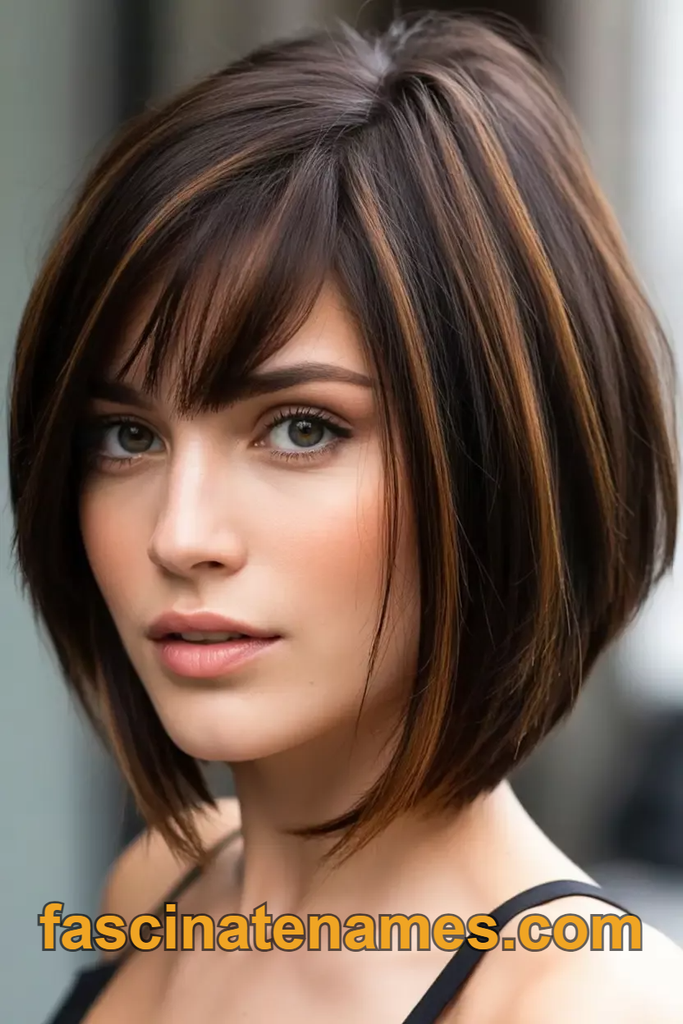
Ideas include:
- Deep plum or violet: rich and mysterious
- Emerald or forest green tones: subtle, earthy, and unusual
- Copper red: bright, warm, and eye-catching
- Silver or icy tones: modern and dramatic
- Peekaboo color: a hidden pop under the top layer
- Dark cherry: a deep red with a glossy finish
Bleaching can damage hair, so talk to your stylist about the health of your hair and the number of appointments required. Use color-safe shampoo and cold or lukewarm water to preserve vibrancy. Fashion shades fade faster, so plan for touch-ups or use color-depositing conditioners between visits.
16. Embracing Gray and Silver on Short Hair
Short haircuts are excellent for transitioning to gray. A shorter length means the natural color grows in faster, and a well-shaped cut makes silver look intentional and polished.
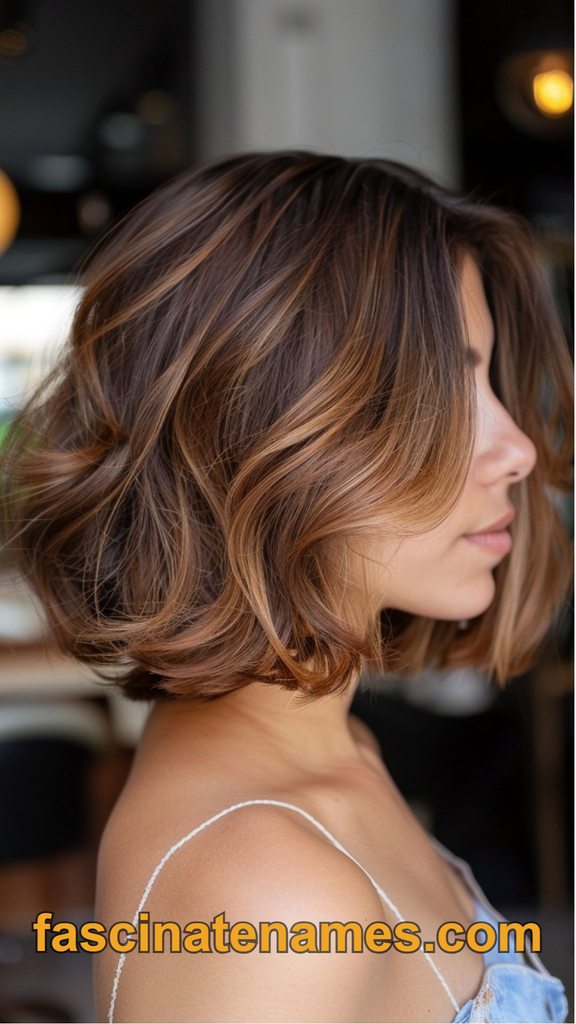
Tips:
- Choose a sharp, modern cut, such as a pixie or bob
- Blend regrowth with highlights or lowlights
- Use purple shampoo occasionally to reduce yellow tones
- Add moisture, since gray hair can be drier
- Consider a gloss for shine
Some people cut off their dyed hair in one go, while others blend gradually. Silver pairs beautifully with jewel tones, black, navy, and cool neutrals. Cut and condition are especially important, since well-shaped, glossy gray hair looks stylish and confident.
17. Styling Short Fall Hair: Tools and Techniques
Short hair is quick to style, but the right technique can make a big difference. A few tools and habits help you get salon-quality results at home.
Helpful tips:
- Towel-dry gently and apply product to damp hair
- Use a small round brush for volume and shape
- Blow-dry in sections, starting at the roots
- Use a flat iron or small curling iron for smooth or wavy finishes
- Apply texture spray or paste for definition
- Finish with light hairspray for hold
Keep heat settings moderate and use a heat protectant. Try different partings, such as a deep side part or a center part, to change your look. A pixie can be styled sleek, spiky, or tousled, and a bob can be smooth, wavy, or bent. Experiment until you find two or three styles you enjoy.
18. Fall Accessories for Short Hair
Accessories add personality and help you change your look without changing your cut. Short hair works well with seasonal pieces.
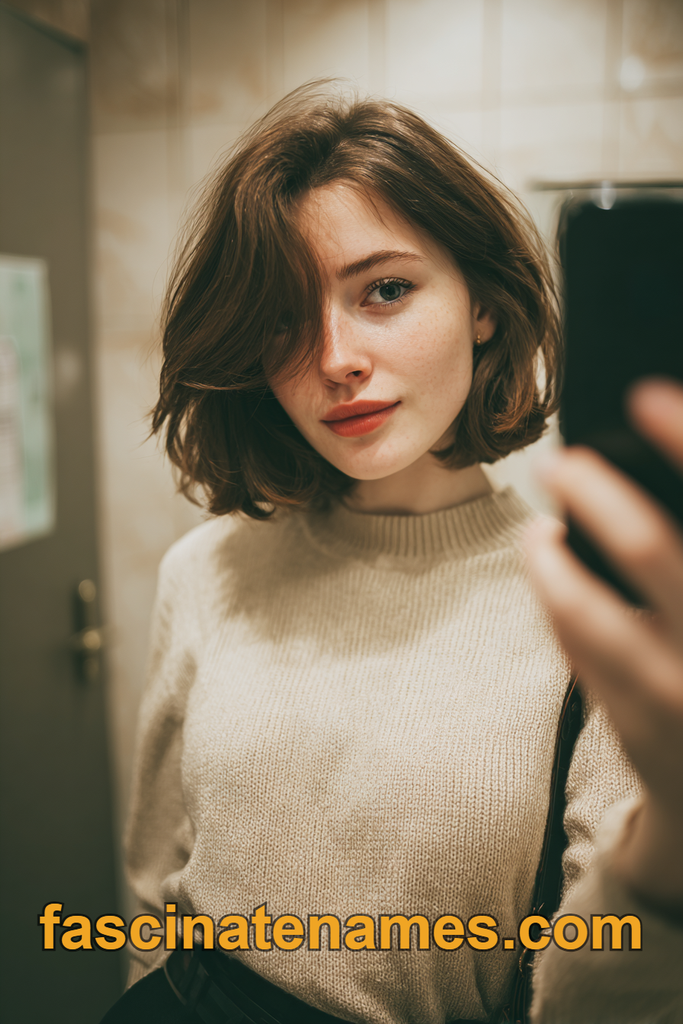
Options include:
- Beanies and berets: cozy and stylish
- Headbands: velvet, knit, or satin
- Barrettes and clips: tortoiseshell, metallic, or pearl
- Scarves: tied around the head or worn at the neck
- Statement earrings: a bold detail that pops against short hair
- Ear cuffs and hoops: subtle but effective
If you wear hats, choose smooth linings like satin to reduce static and flattening. Add volume after removing a hat by tousling your hair with your fingers or applying a light spritz of texture spray. A few well-chosen accessories can dress up a simple cut for special occasions.
19. Care and Maintenance for Short Hair
Short hair needs regular upkeep, but it also lets you refresh your routine easily. A little care keeps it healthy and shaped.
Key habits:
- Trim regularly, usually every four to eight weeks depending on the cut
- Use shampoo and conditioner suited to your hair type
- Deep condition weekly if your hair is dry or colored
- Protect from heat with a spray or serum
- Avoid over-washing to prevent dryness
- Use a silk or satin pillowcase to reduce frizz
- Check your scalp, since short styles show it more
Fall can be drier, so adjust your routine as needed. Keep your styling tools clean, and replace products that no longer work. If you notice sudden thinning, persistent itching, or scalp problems, consult a doctor or dermatologist. A healthy scalp supports better-looking hair.
20. Final Thoughts: Choose Short Fall Hair That Feels Like You
The best short fall hair is a style that suits your hair type, lifestyle, and personality. Whether you love a sleek pixie, a blunt bob, a shaggy crop, or a curly cut, short hair can feel fresh, modern, and empowering.
Start by considering your texture, density, and daily routine. Bring photos to your stylist, and ask questions about maintenance and growth. Choose a color that complements your skin tone and the season, and consider a gloss or subtle highlights for added shine.
If you are hesitant about going short, take small steps, such as trying a chin-length bob before a pixie. Hair grows back, and each cut teaches you what you like. Fall is a season of change, and a new short style can be an easy, exciting way to celebrate it.