Few Halloween costumes have the staying power of the vampire. Decade after decade, pale skin, dark lips, dramatic eyes, and a trickle of blood remain one of the most requested looks of the season. Vampire Halloween makeup works for every age and skill level, from a five-minute pale-face-and-fangs approach to an elaborate, editorial-style transformation with contouring, veins, and special-effects blood. Its appeal lies in its flexibility — it can be elegant and aristocratic, terrifying and feral, or romantic and seductive, all using the same basic technique foundation.
This guide covers everything needed to create a standout vampire look, from supplies and step-by-step application to variations for kids, teens, and adults, plus answers to the most commonly searched vampire makeup questions.
Why Vampire Makeup Remains a Halloween Favorite
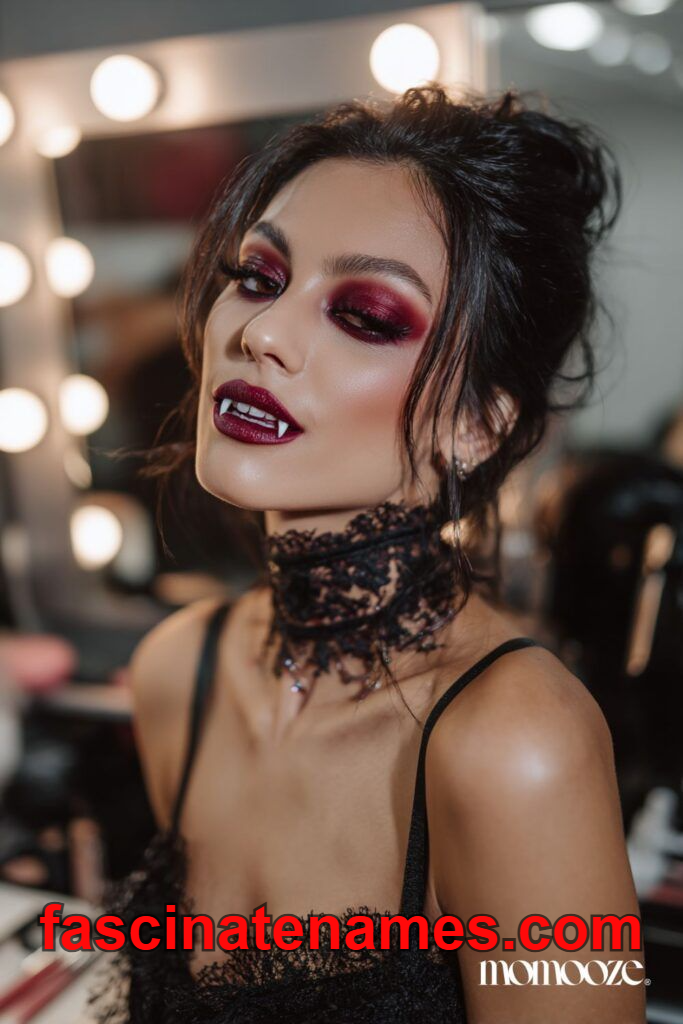
Vampires occupy a unique space in Halloween culture because they aren’t purely monstrous or purely elegant — they’re both. This duality gives enormous creative freedom. Someone can lean into old Hollywood glamour with deep red lips and porcelain skin, or go full horror with cracked skin, sunken eyes, and dripping blood. Vampire makeup also pairs naturally with widely available costume pieces like capes, corsets, and Victorian-inspired clothing, making it easy to build a full look without custom sewing.
Understanding the Core Elements of a Vampire Look
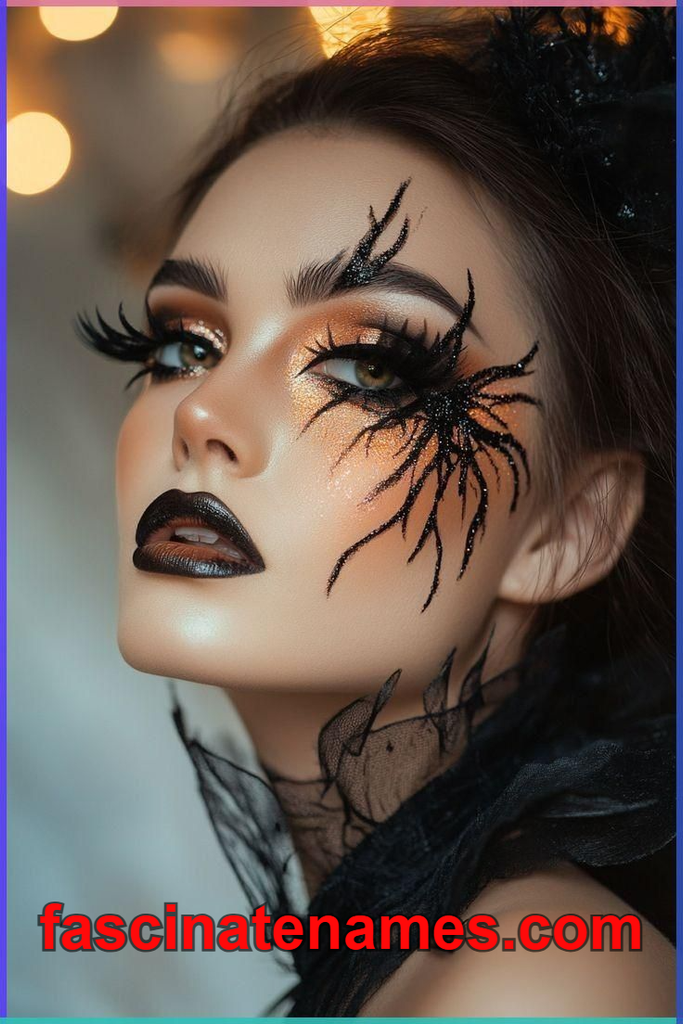
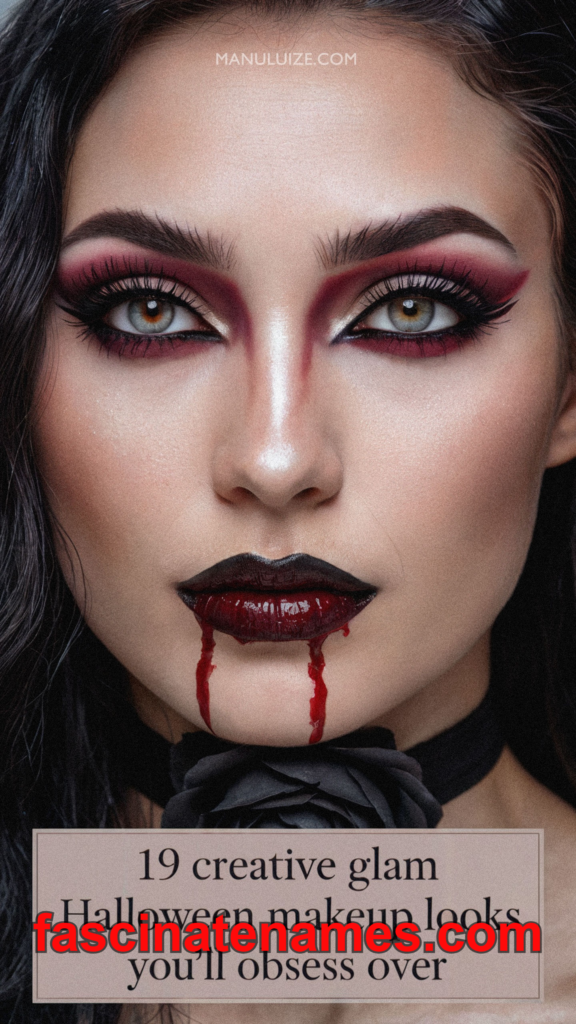
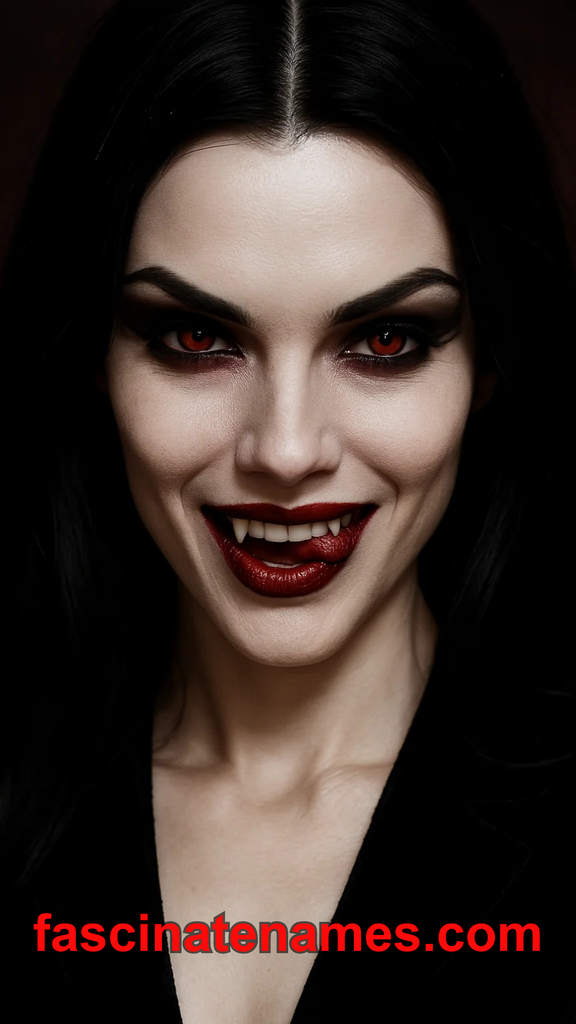
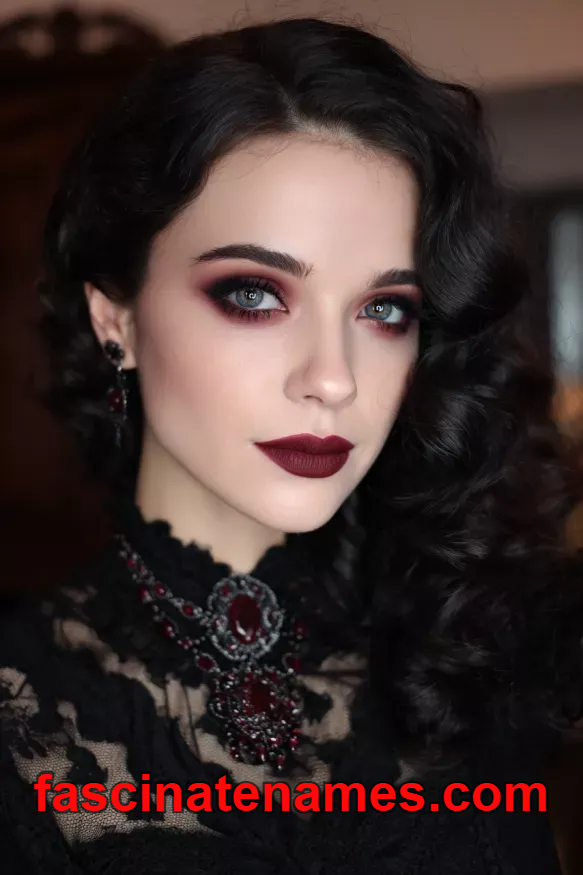
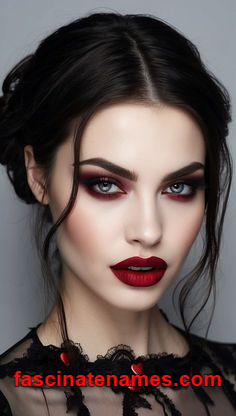
At its foundation, vampire makeup relies on a handful of recognizable elements: pale, almost translucent-looking skin, dramatically contoured cheekbones, dark and intense eye makeup, deep-colored lips (often red, burgundy, or black), and some indication of blood, whether subtle or dramatic. Fangs, while optional for makeup purposes, are often used alongside the look to complete the effect. Combining even three or four of these elements is usually enough to create an unmistakably vampiric appearance.
Essential Supplies You’ll Need
Before starting, gather the following:
- White or pale foundation, or a specialized “vampire pale” face paint
- Setting powder, preferably translucent
- Contour powder or cream in a cool gray-brown tone
- Dark eyeshadow in black, deep purple, or burgundy
- Black eyeliner and mascara
- Deep red, burgundy, or black lipstick or lip paint
- Fake blood (store-bought or homemade)
- A fine detail brush for veins and cracks
- Optional: liquid latex for textured or “decaying” skin effects
- Optional: vampire fangs
Most of these products can be found at costume shops, drugstores, or beauty supply stores, and many double as regular makeup items usable outside Halloween season.
Choosing the Right Color Palette
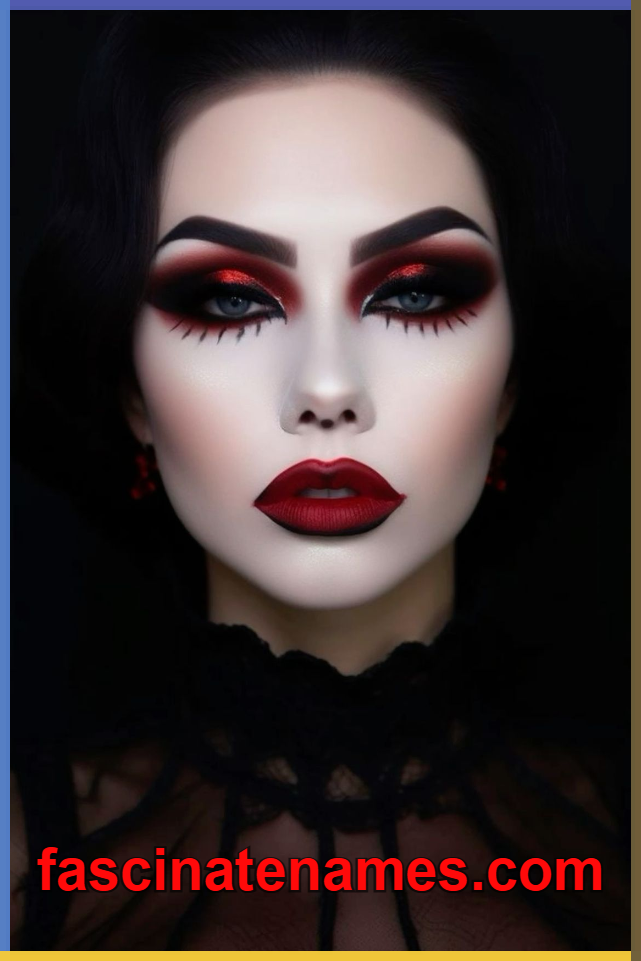
The vampire palette is built around contrast: extremely pale skin against deep, saturated color. Classic vampire looks favor cool-toned pale foundation rather than warm ivory, since a slightly gray or blue undertone reads as more lifeless and dramatic under both daylight and artificial lighting. For the eyes and lips, deep jewel tones like burgundy, wine, and eggplant purple tend to photograph better than pure black, which can look flat. Metallic silver or icy blue shimmer is sometimes added to the inner corner of the eyes for an otherworldly, cold aesthetic.
Step-by-Step: Classic Vampire Halloween Makeup Tutorial
Step 1: Prep the Skin
Start with a lightweight, hydrating primer. Pale foundations can sit unevenly on dry skin, so proper hydration helps achieve a smooth, ghostly finish.
Step 2: Apply the Pale Base
Using a sponge or brush, apply white or pale foundation evenly across the entire face, neck, and ears for a seamless look. Blend carefully at the hairline and jaw to avoid visible lines.
Step 3: Contour for Sunken Features
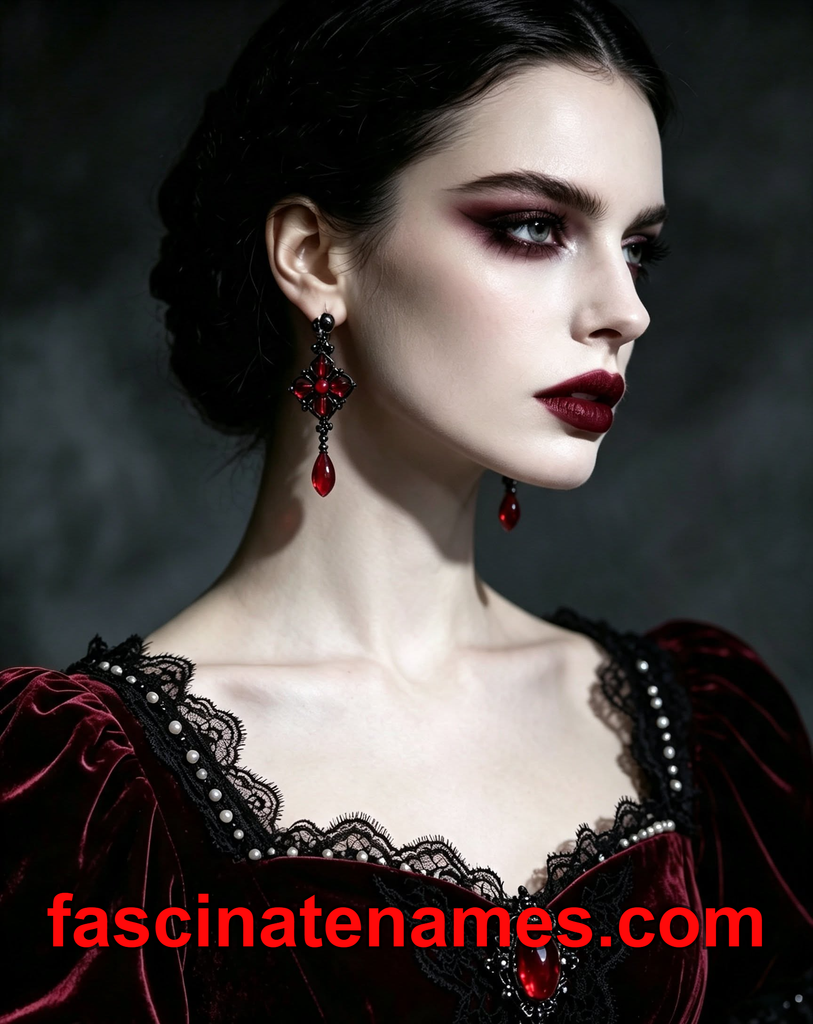
Using a cool-toned gray-brown contour shade, hollow out the cheeks, temples, and the sides of the nose. Unlike typical warm-toned contouring, vampire contouring should look slightly gaunt and shadowed rather than sun-kissed.
Step 4: Define the Eyes
Apply dark eyeshadow across the lid and blend it upward and outward toward the temple for a dramatic, slightly hollow-eyed effect. Add black eyeliner along the upper and lower lash lines, smudging slightly for an intense, smoky finish.
Step 5: Add Under-Eye Shadowing
Lightly shade beneath the eyes with a cool gray or purple tone to create a sunken, tired appearance often associated with the undead.
Step 6: Apply False Lashes (Optional)
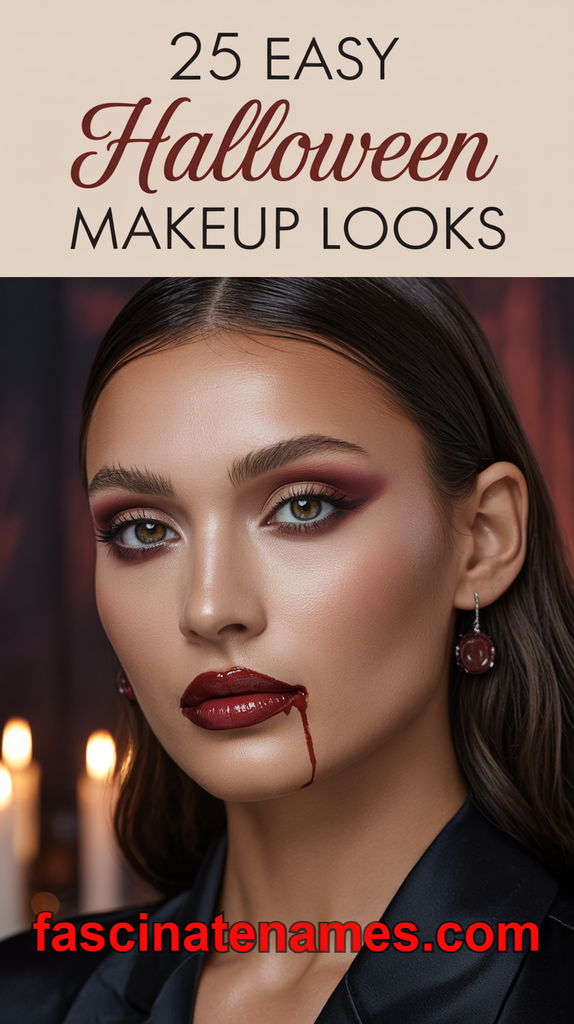
Dramatic lashes enhance the intensity of the eye look and help balance out the pale skin tone, especially in photos.
Step 7: Paint the Lips
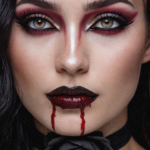
Line and fill the lips with a deep red, wine, or black lip color. For an eerie touch, some looks blend the lip color slightly outside the natural lip line to create a slightly smeared, unsettling effect.
Step 8: Add Veins (Optional)
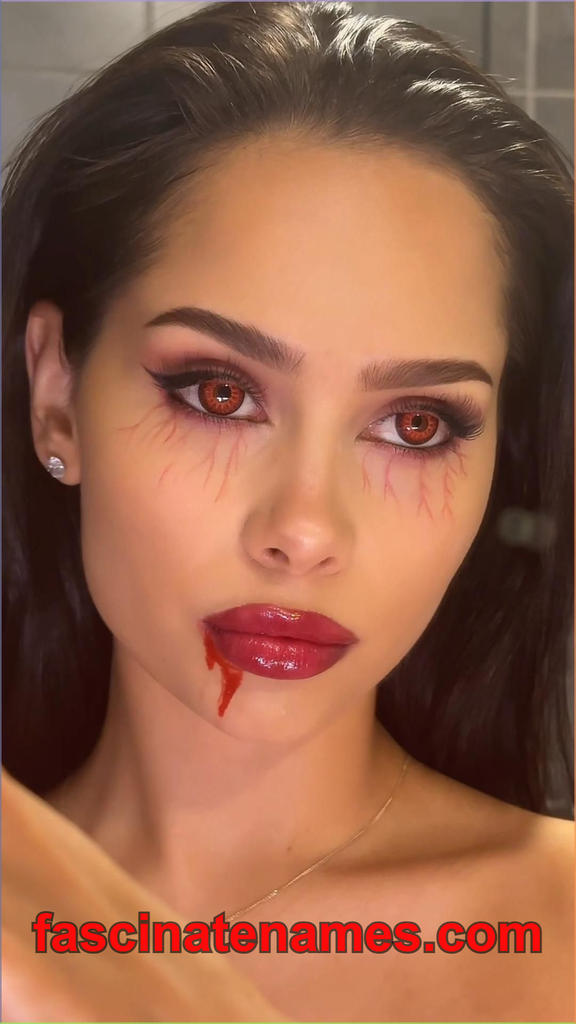
Using a fine brush and a mix of blue, purple, and green face paint, draw thin, branching lines along the temples, neck, and collarbone to mimic visible veins beneath translucent skin.
Step 9: Apply Fake Blood
Add a small amount of fake blood at the corner of the mouth, dripping down the chin, or trickling from a “bite mark” on the neck for a classic finishing touch.
Step 10: Set the Look
Finish with a light dusting of translucent setting powder to reduce shine, followed by a setting spray to help the design last through the night.
Vampire Makeup Ideas for Kids
For children, the goal is usually a fun, non-scary version of the look. A pale face, a few dots of red “blood” near the mouth, and gently darkened eyebrows are usually enough to sell a kid-friendly vampire costume. Avoid heavy contouring or unsettling details like veins or sunken eyes, and always use non-toxic, hypoallergenic face paint made specifically for children.
Vampire Makeup Ideas for Teens and Adults
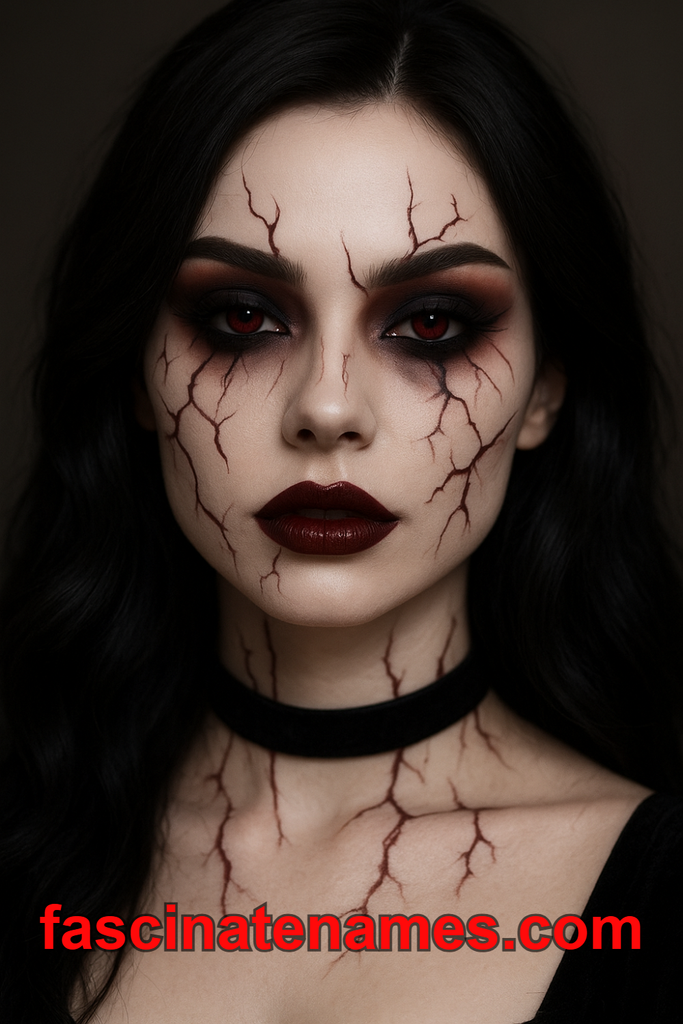
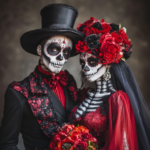
Teens and adults have more room to explore intensity and detail. A popular variation is the “gothic aristocrat” look, which uses sharp, precise eyeliner, deep burgundy lips, and minimal blood for an elegant, old-world vampire aesthetic. On the opposite end, a “feral vampire” look leans into smudged blood, disheveled hair, and darker, more chaotic eye makeup for a wilder, more frightening effect.
Simple 5-Minute Vampire Makeup for Last-Minute Costumes
For a quick version:
- Apply a pale foundation or powder across the face.
- Line the eyes heavily with black eyeliner and smudge slightly.
- Apply a deep red or black lipstick.
- Dab a small amount of fake blood at the corner of the mouth.
This simplified approach still reads clearly as a vampire while taking only a few minutes.
Group and Family Vampire Costume Themes
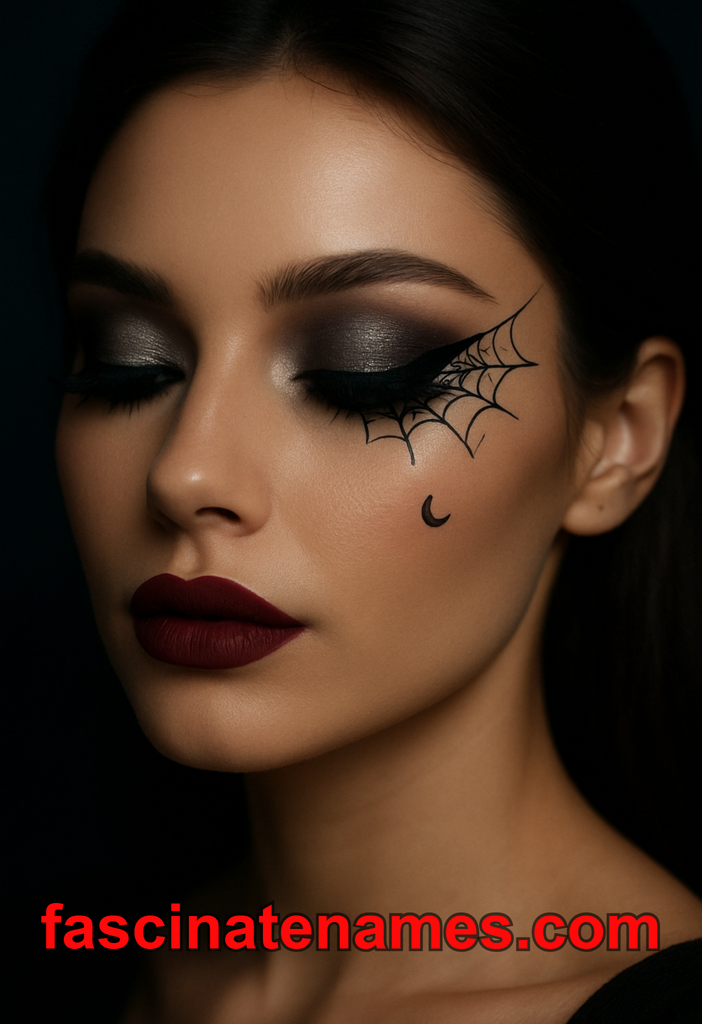
Vampires work well as a coordinated group theme. Consider a “vampire family” or “vampire coven” concept, where each person has a slightly different intensity level — an elegant vampire lord or lady, a younger “newly turned” vampire with a more disheveled look, and a classic bat-winged vampire for younger kids. This allows everyone to participate at a comfort level that suits their age and makeup experience.
Pairing Vampire Makeup with Costumes and Outfits
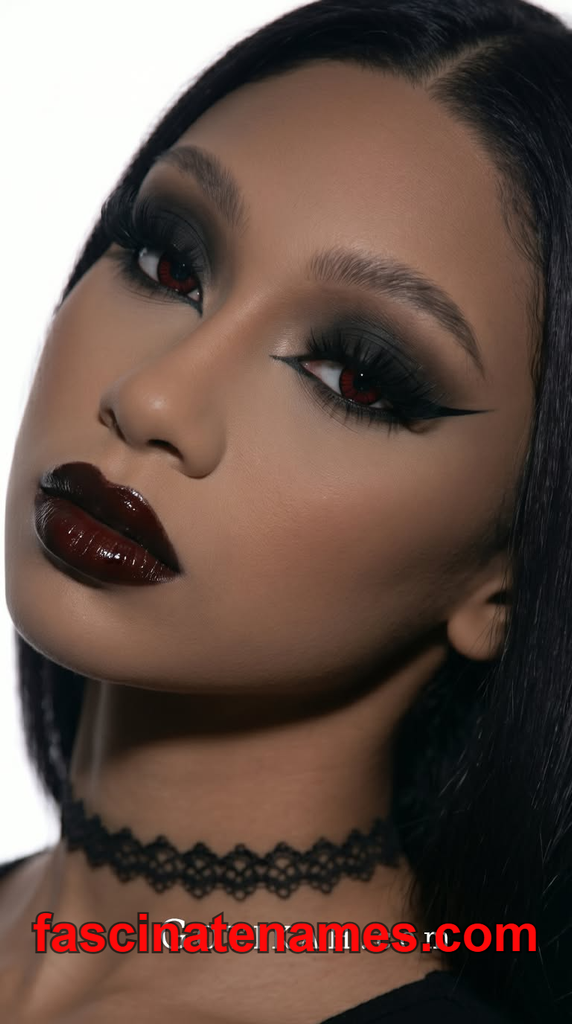
Because the makeup carries strong visual weight, outfits can range from simple to elaborate. Black and deep red clothing, velvet or lace fabrics, capes, high collars, and Victorian-inspired accessories all complement the vampire aesthetic. Fangs, dark nail polish, and statement jewelry like chokers or cameo brooches help complete the transformation without requiring a full custom costume.
Making Vampire Makeup Waterproof and Long-Lasting
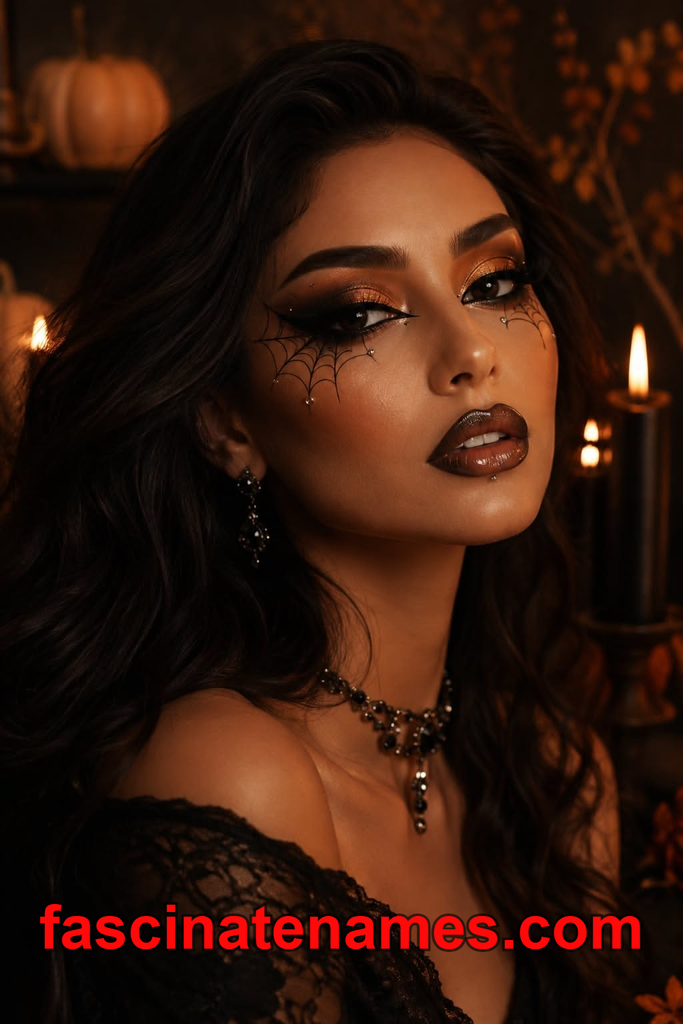
For long nights of trick-or-treating or Halloween parties, longevity matters. Cream-based pale foundations tend to hold up better than powder alone, and setting spray helps lock everything in place. Waterproof mascara and long-wear lip products help avoid smudging, especially around the mouth where fake blood is applied. Carrying a small touch-up kit with extra blood, lip color, and blotting papers is a good idea for extended wear.
Common Mistakes to Avoid
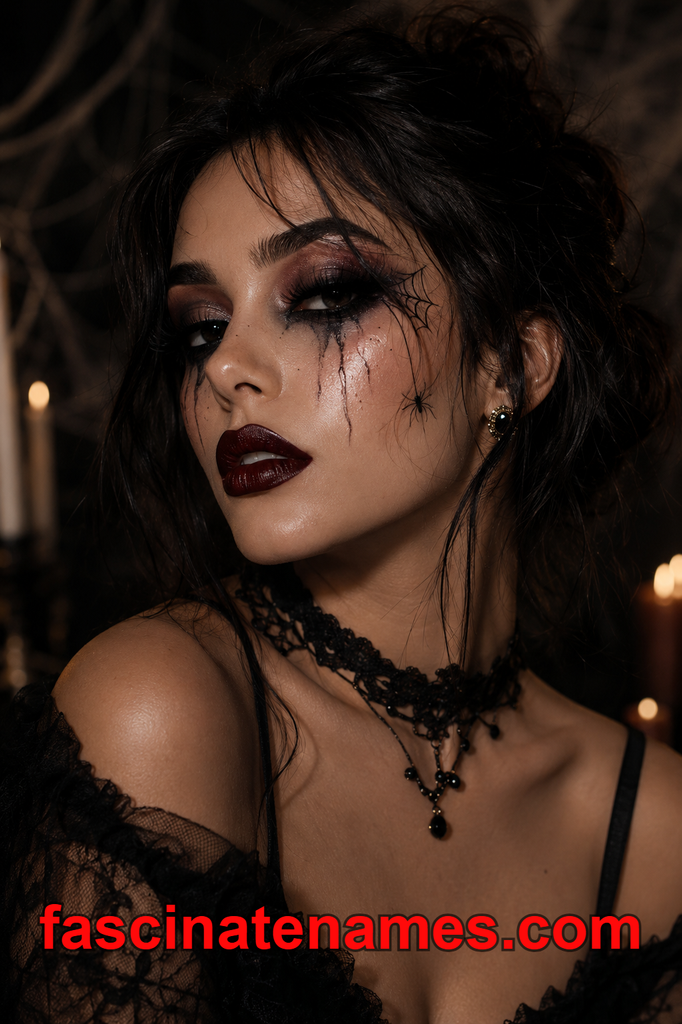
A few missteps can undermine an otherwise strong vampire look. These include applying pale foundation without matching it down the neck, creating an obvious mask-like line; using warm-toned contour, which looks more like sun-kissed bronzer than gaunt shadowing; overusing fake blood to the point that it looks messy rather than intentional; and skipping setting powder, which can cause the pale base to look greasy under flash photography. Careful blending and restraint with blood placement go a long way.
Skin-Safe Practices and Allergy Considerations
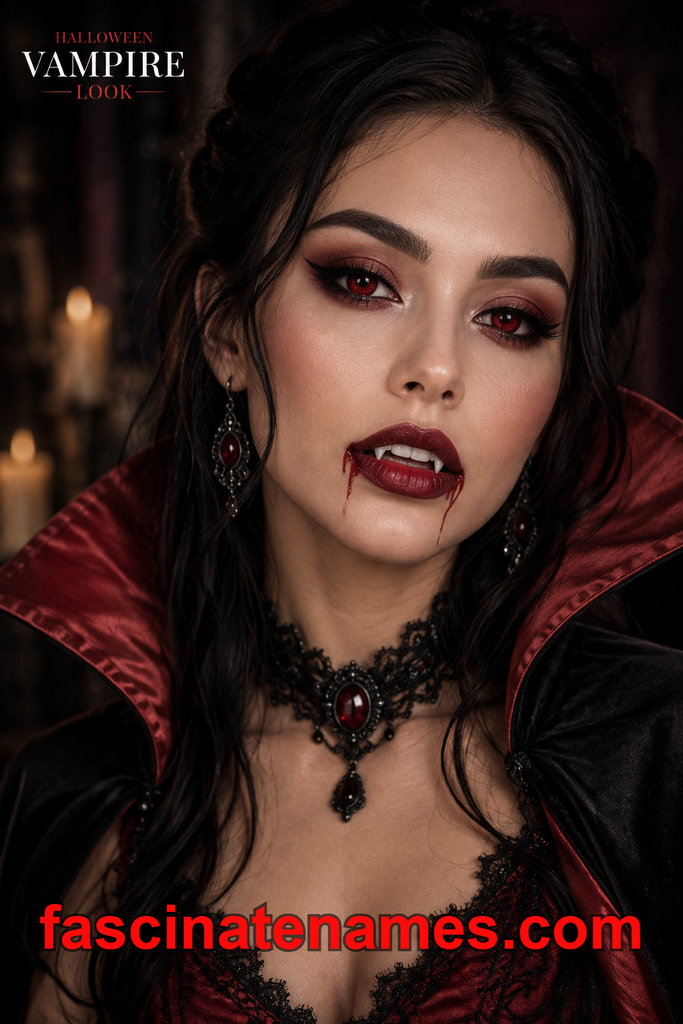
Since much of vampire makeup relies on full-face coverage with pale foundation, it’s worth patch-testing new products on the inner wrist beforehand, particularly for those with sensitive skin. Choose cosmetic-grade face paint or foundation specifically designed for extended wear, and if using liquid latex for texture effects, always do a patch test first, as it can cause reactions in some people. Removing all products thoroughly at the end of the night helps prevent breakouts or irritation.
How to Remove Vampire Makeup Easily
At the end of the night, use an oil-based cleanser or micellar water to dissolve the pale foundation, dark eye makeup, and lip color before rinsing with warm water. Fake blood, especially corn-syrup-based versions, can be sticky, so a warm washcloth helps lift it away from the skin. Follow with a gentle cleanser and moisturizer, since pale foundations and setting powders can be drying to the skin over several hours.
Vampire Makeup Inspiration for Social Media and Photos
Vampire makeup photographs dramatically under moody, low, or colored lighting, which enhances the contrast between pale skin and dark features. Red or purple-toned lighting is especially popular in social media Halloween content, intensifying the gothic atmosphere. Close-up shots highlighting detailed vein work or dripping blood tend to perform well, while wider shots showcasing a full costume with cape or Victorian styling create a more cinematic effect.
Budget-Friendly Alternatives to Professional Face Paint
If a full vampire makeup kit isn’t within budget, everyday products can substitute effectively. Talcum powder or light pressed powder can lighten the complexion in place of specialized pale foundation, dark eyeshadow can replace contour for hollowing effects, and a mix of corn syrup, red food coloring, and a touch of cocoa powder makes a simple homemade fake blood. This approach uses items many people already have at home.
Frequently Asked Questions About Vampire Halloween Makeup
Is vampire makeup hard to do at home?
Not especially. The core technique relies on pale foundation, dark eyes, and lip color, all of which are beginner-friendly, while veins and blood effects are optional additions for more advanced looks.
What age group is this look suitable for?
Vampire makeup scales easily from young children with a simplified, non-scary version to adults wanting a full dramatic transformation.
Can I do vampire makeup without special effects products?
Yes, regular pale foundation, dark eyeshadow, and lipstick can achieve a strong vampire look without any specialty products.
How long does the makeup typically last?
With proper setting, vampire makeup generally lasts four to six hours, and longer with waterproof or long-wear products.
Final Thoughts on Vampire Halloween Makeup
Vampire Halloween makeup endures as a favorite because of its versatility — equally suited to a quick, spooky costume or an elaborate, gallery-worthy transformation. Whether the goal is a chic gothic aristocrat, a menacing feral creature of the night, or a simple pale-faced classic with a touch of blood, this timeless look continues to prove that some Halloween classics never go out of style.