Clowns have become one of the most popular Halloween costume choices year after year, and it’s easy to see why. A clown look can be adorable and silly, or it can be the stuff of nightmares — the choice is entirely yours. Whether you’re aiming for a cute circus performer, a colorful jester, or a bone-chilling horror clown straight out of a slasher film, clown makeup gives you enormous creative freedom. This guide walks you through everything you need to know to create a stunning clown makeup look this Halloween, from products and tools to step-by-step application techniques for both cute and creepy styles.
Why Clown Makeup Is a Halloween Favorite
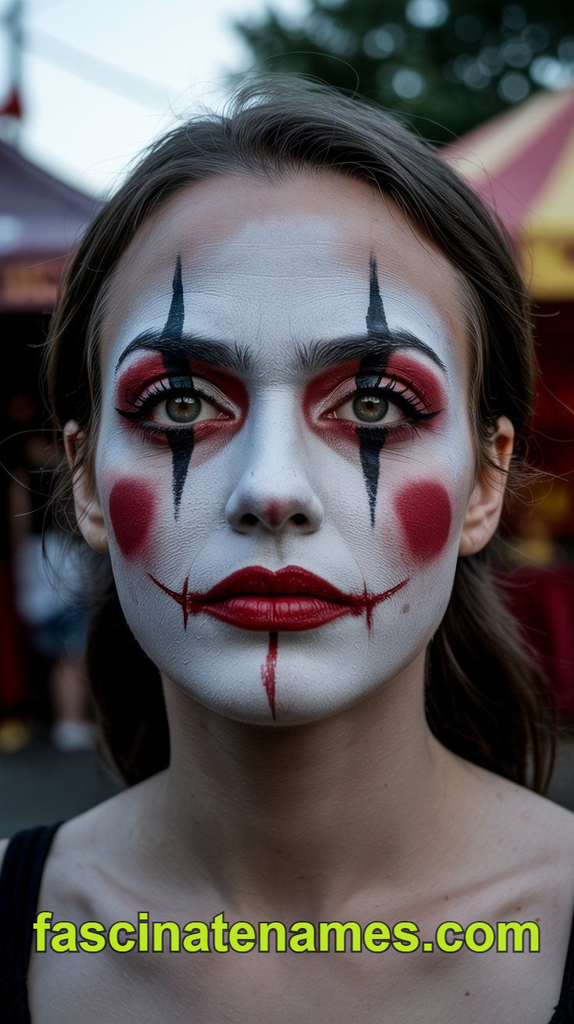
Clown makeup remains a top Halloween trend because it’s incredibly versatile. Unlike costumes that are tied to a single character or theme, “clown” is a broad category that can be interpreted in countless ways. You can go full circus glam with rainbow colors and a big red nose, or you can lean into pop culture’s fascination with horror clowns, inspired by iconic villains from film and television. Clown makeup also works for every age group, every skill level, and every budget, which is part of why it shows up so consistently on Halloween costume lists.
Another reason clowns are so popular is the psychological effect they have on people. Clowns sit in an uncanny space between funny and frightening, and that duality makes them endlessly interesting as a costume concept. A clown can make a room laugh or make a room uneasy, sometimes within the same look, depending on subtle shifts in expression, color, and styling.
Choosing Your Clown Style Before You Start
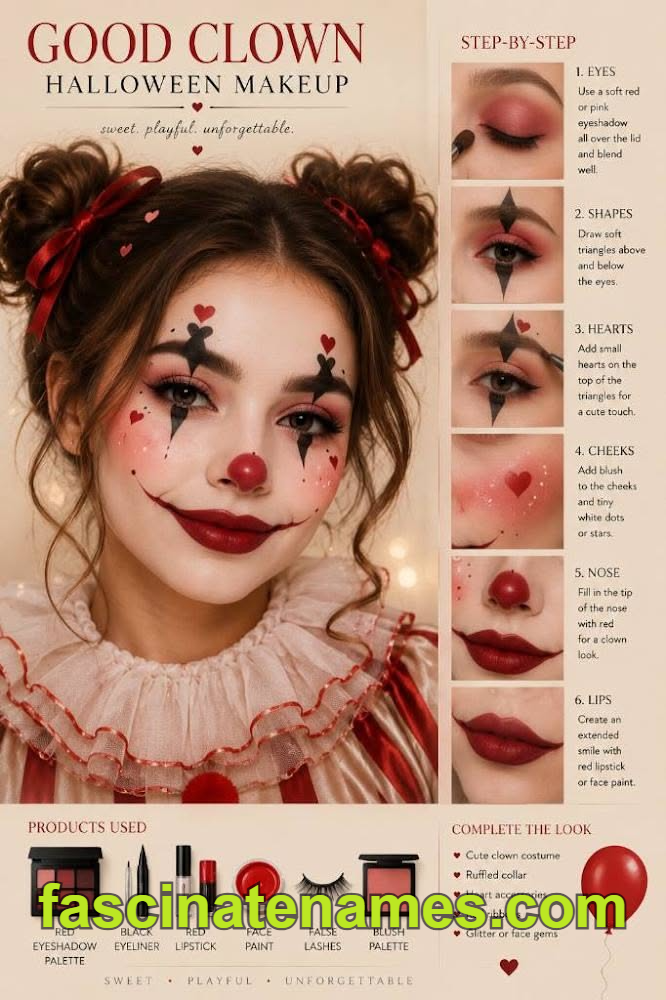
Before you pick up a single brush, decide what kind of clown you want to be. This decision will shape every choice you make afterward, from your color palette to your costume to your hairstyle.
- Classic circus clown: bright colors, big smile, exaggerated features, playful energy.
- Cute or “clowncore” clown: pastel colors, glitter, hearts, and softer makeup lines for a trendy, fashion-forward take.
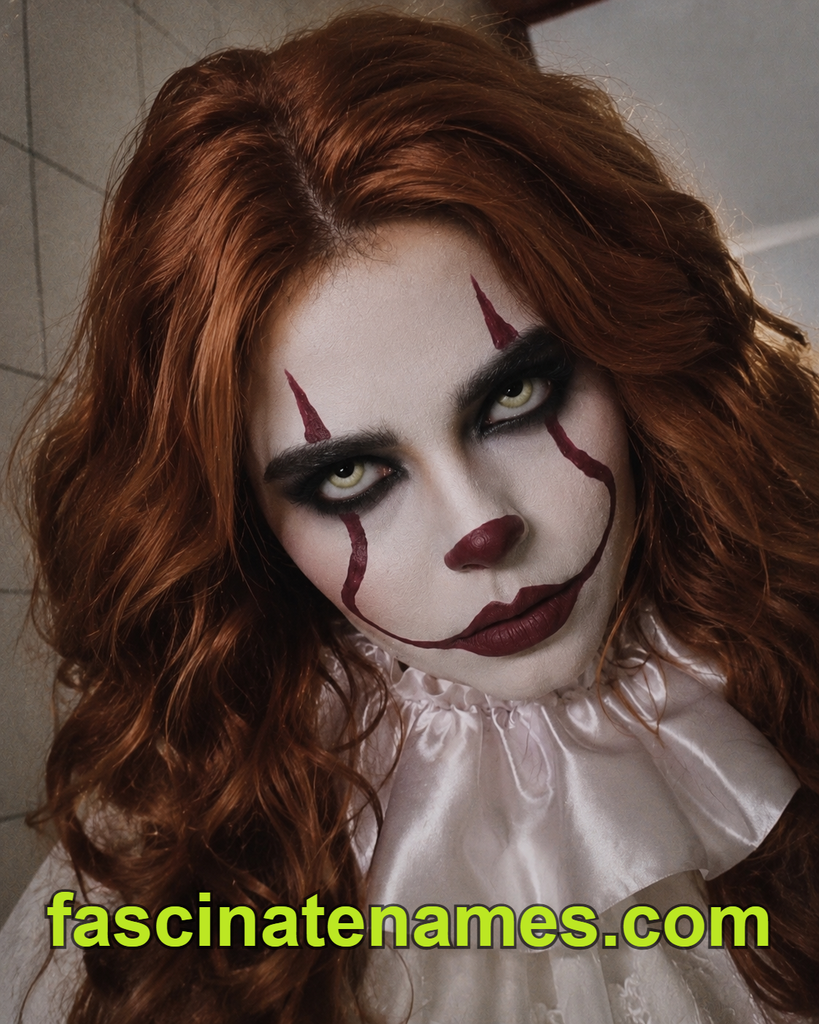
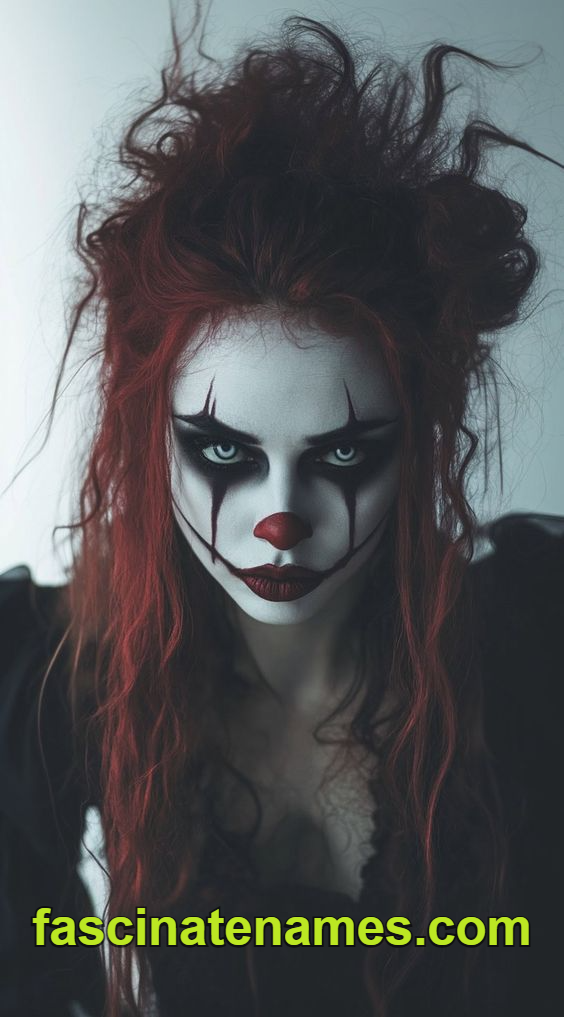
- Horror or killer clown: muted or smeared makeup, unsettling expressions, fake blood, and dramatic shading.
- Jester or harlequin: diamond patterns, two-tone color splits, and a more theatrical, Renaissance-inspired aesthetic.
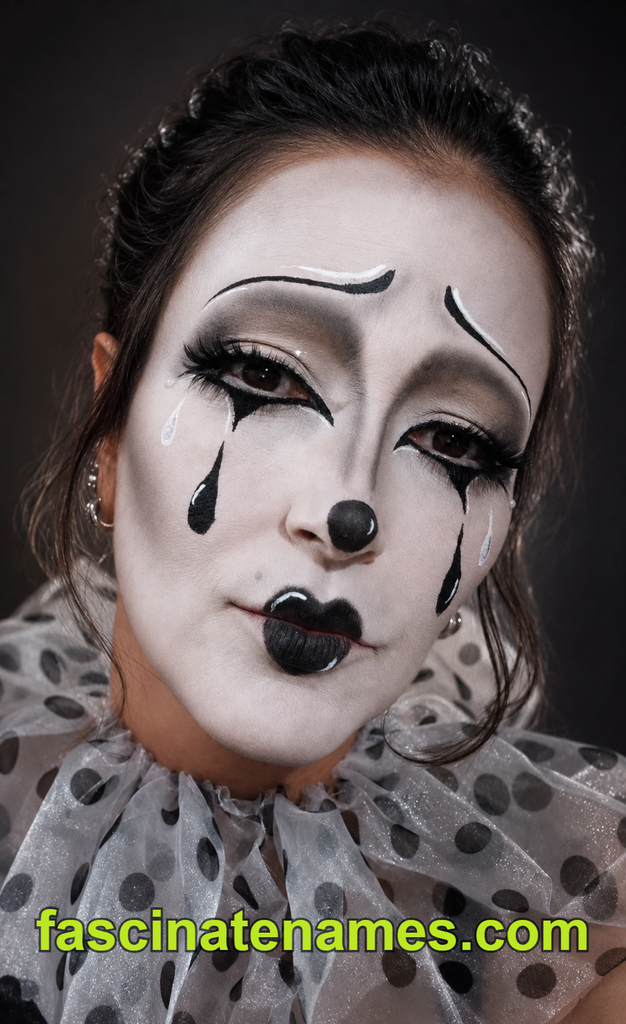
- Sad or “tragic” clown (Pierrot-style): white face, exaggerated tear drops, minimal color, melancholic expression.
Once you know your style, you can gather the right products and plan your color scheme accordingly.
Essential Products for Clown Makeup
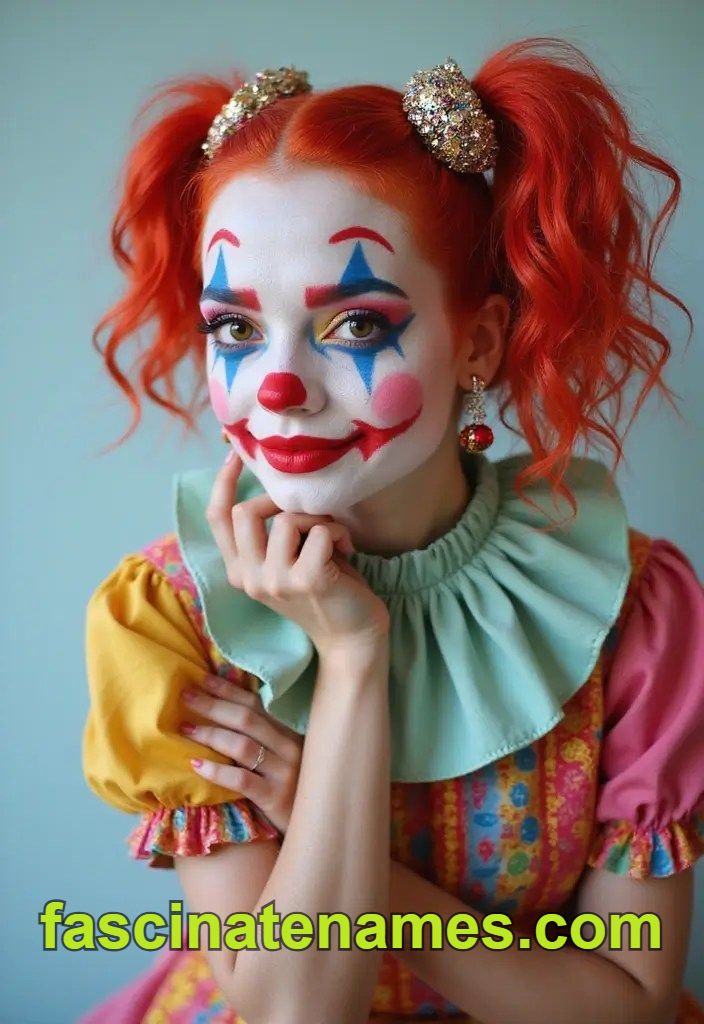
Having the right products makes the entire process smoother and gives you a longer-lasting, more professional-looking finish. Here’s what you’ll want on hand.
- Face paint or cream-based makeup in white, black, red, and any additional colors your design calls for
- A setting powder to lock in cream products and prevent smudging
- Liquid latex or spirit gum if you’re adding texture, scars, or prosthetic pieces
- Fake blood for horror-style looks
- False eyelashes for a more dramatic or wide-eyed effect
- Colored contact lenses (optional, for an extra eerie touch)
- A red clown nose or nose putty if you prefer to sculpt one
- Setting spray to help everything stay put throughout the night
- Makeup remover wipes for cleanup, since clown makeup can be stubborn
Quality matters here. Cheap, low-grade face paint can crack, flake, or transfer onto clothing, so it’s worth investing in makeup specifically designed for the face, particularly if you have sensitive skin.
Tools You’ll Need
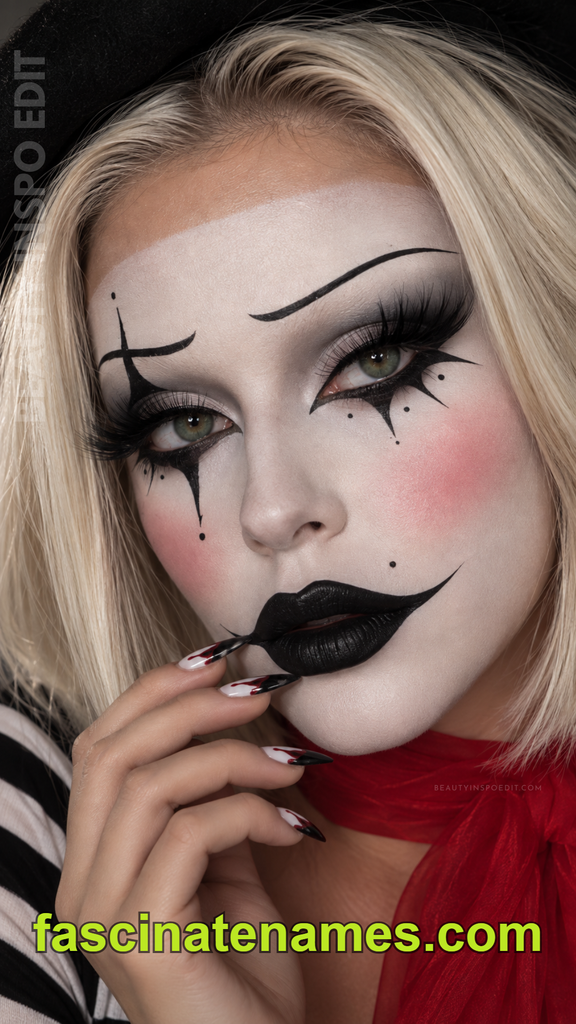
Beyond the makeup itself, a few tools will make the application process significantly easier and more precise.
- Flat and round makeup sponges for blending large areas
- A range of brush sizes, including a thin liner brush for fine details
- A makeup palette or mixing tray if you’re combining colors
- Cotton swabs for cleaning up small mistakes
- A large mirror with good lighting
- Tissues for blotting excess product
- A hairdryer or fan (optional) to speed up drying time between layers
Preparing Your Skin Before Applying Clown Makeup
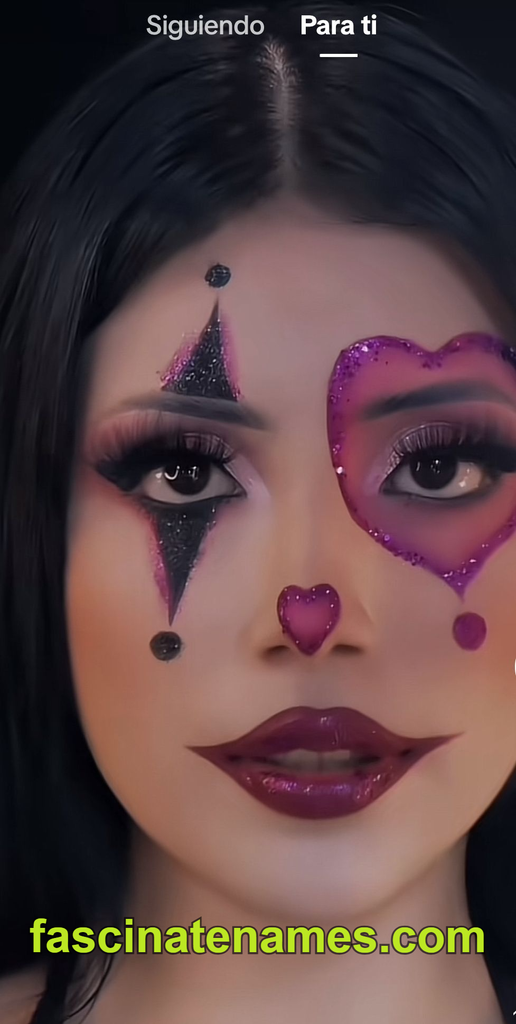
Skin prep is one of the most overlooked steps, but it has a huge impact on how your makeup looks and how long it lasts.
Start with a clean face, free of oil and dirt. Wash with a gentle cleanser and pat dry. Apply a lightweight, oil-free moisturizer and let it fully absorb before you begin. If you’re using face paint, consider a primer designed for face painting — it creates a smoother surface and helps colors glide on evenly. Avoid heavy, greasy moisturizers right before application, as they can cause face paint to slide or separate.
If you have sensitive skin, do a small patch test on your inner wrist or arm at least 24 hours in advance to check for any allergic reaction.
Step-by-Step: Classic Cute Clown Makeup
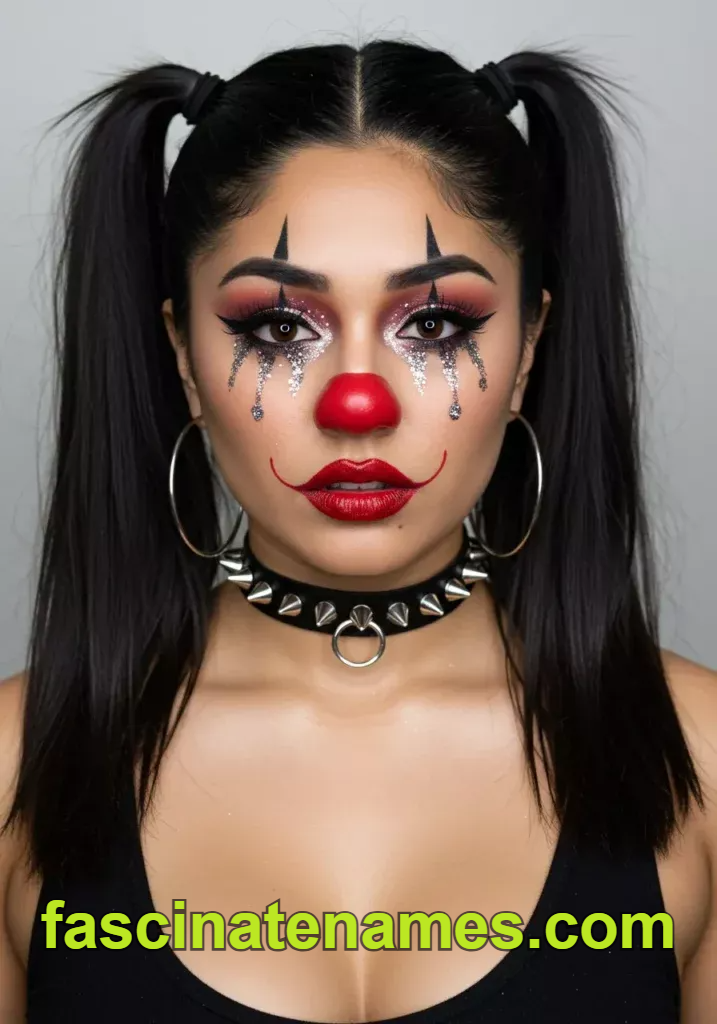
This look is bright, playful, and perfect for trick-or-treating or a Halloween party where you want to keep things lighthearted.
- Prime the face with a lightweight moisturizer or face-paint primer.
- Apply a white base across the entire face using a damp sponge, focusing on an even, opaque layer.
- Set with translucent powder to prevent smudging as you continue working.
- Draw exaggerated red circles on the cheeks using cream or face paint, blending the edges slightly with a sponge for a soft finish.
- Outline the lips in red, extending beyond your natural lip line to create an oversized clown smile.
- Add black detailing around the eyes — think thick winged liner or diamond shapes above and below the eyes.
- Draw thin black lines radiating from the eyes for a whimsical, “surprised” expression.
- Attach a red clown nose or paint one on using red face paint and a small round sponge.
- Set everything with a light mist of setting spray.
- Finish with colorful eyeshadow in blue, pink, or yellow across the lids for extra pop.
Step-by-Step: Scary Horror Clown Makeup
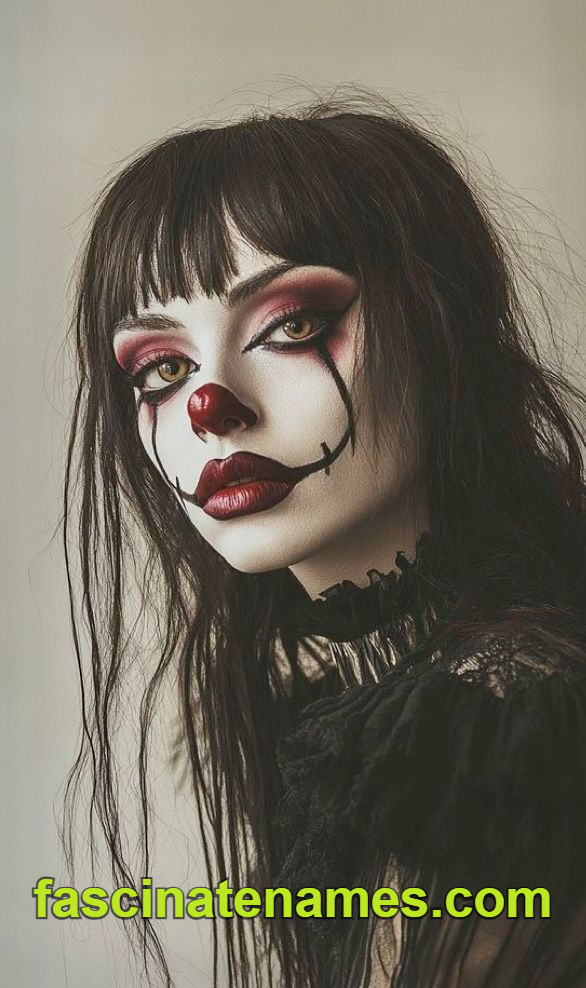
If you want something that leans into fear rather than fun, this technique creates a genuinely unsettling look with minimal products.
- Apply a white base, but keep it slightly uneven and textured rather than perfectly smooth — this alone adds an eerie, worn-down quality.
- Smudge black eyeshadow or face paint around the eyes in an asymmetrical pattern, avoiding a neat, symmetrical shape.
- Paint the mouth with a jagged, uneven red or black outline instead of a clean smile, extending it further on one side than the other.
- Add fake blood dripping from the corners of the mouth, the nose, or the hairline.
- Use grey and black shading around the cheekbones and temples to create a hollow, gaunt appearance.
- Smear parts of the makeup intentionally with a dry sponge or your finger to simulate wear, sweat, or decay.
- Add small cuts or scars using liquid latex, tissue, and dark red or black paint.
- Emphasize the eyes with dark circles, red eyeliner along the waterline, or colored contacts for an inhuman effect.
- Mess up your hair intentionally, or use temporary colored hairspray in a faded, dirty tone.
- Set with powder and a matte setting spray so nothing looks glossy or “clean.”
Color Theory for Clown Makeup
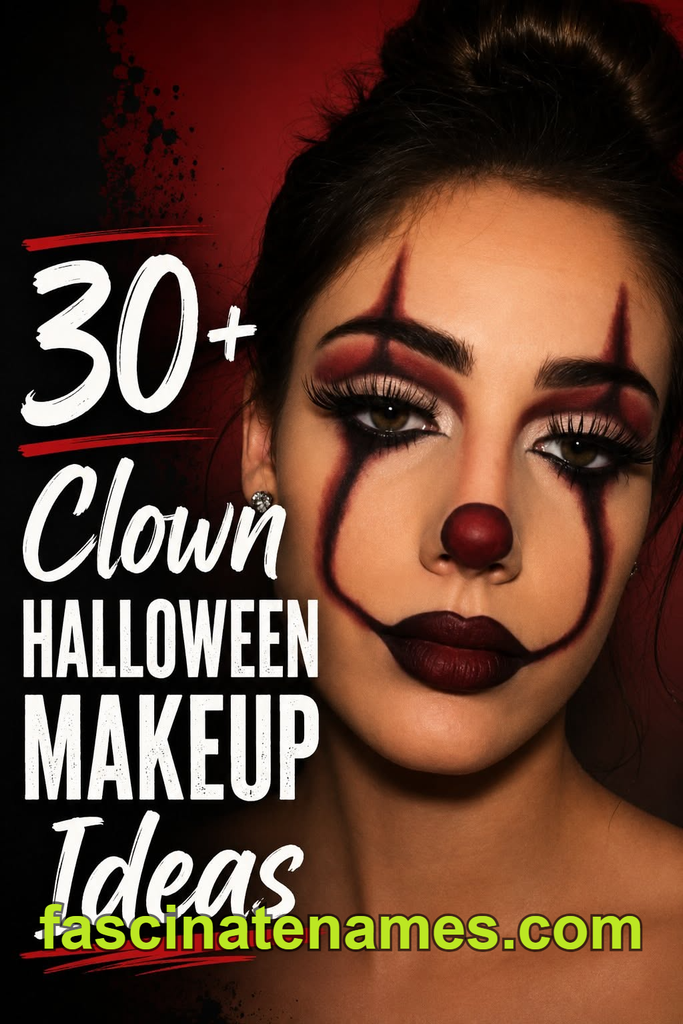
Understanding basic color theory can elevate your clown look significantly. Bright, saturated primary colors (red, blue, yellow) read as cheerful and cartoonish, which works well for cute or classic clowns. Muted, desaturated tones — greys, browns, dull greens — feel unsettling and are a staple of horror-clown aesthetics. High contrast, such as stark white skin against jet black eyes and blood-red lips, creates drama and intensity regardless of which direction you’re going. Asymmetry in color placement (one eye done differently than the other, an uneven smile) is one of the simplest tricks for making a look feel “off” in a scary way.
Creating the Perfect Clown Smile
The mouth is often the focal point of any clown look, so it deserves special attention.
For a cheerful smile, use a lip brush to draw a wide, symmetrical curve well beyond your natural lip line, then fill it in with a bold, glossy red. Keep the edges clean and rounded.
For a creepy smile, break the symmetry. Extend one corner of the mouth higher than the other, or draw jagged lines mimicking stitched or torn skin extending from the corners. Adding a slightly darker red or black outline around a brighter red fill creates depth and makes the smile look more three-dimensional and sinister.
Eye Makeup Techniques for Clowns
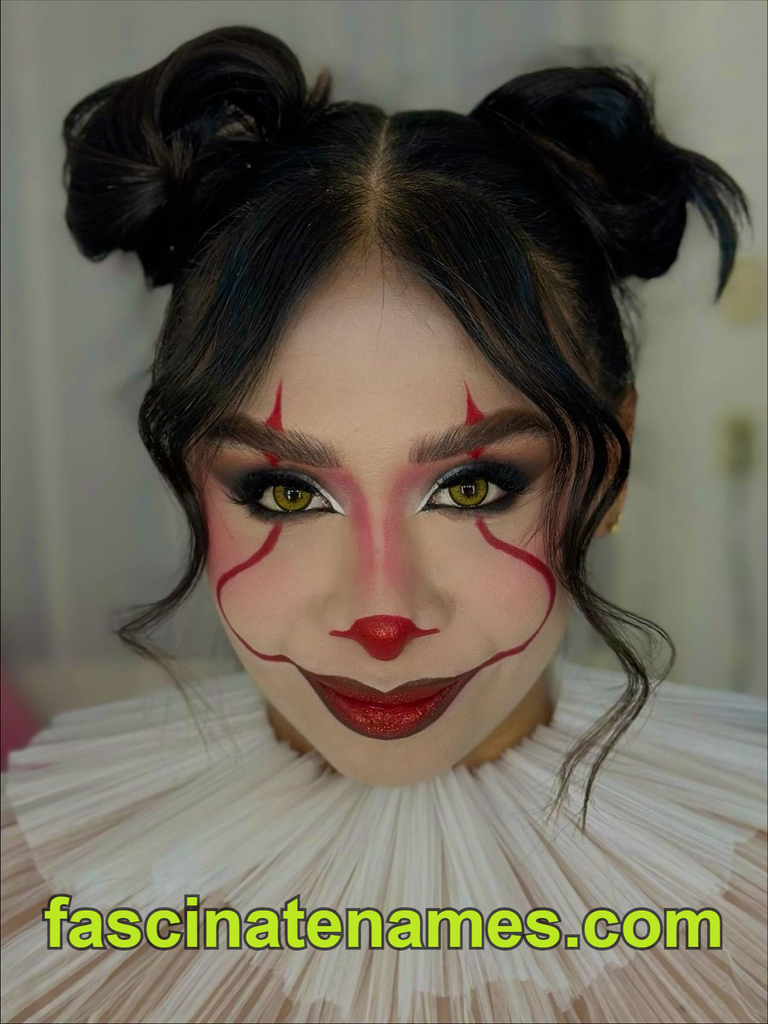
Eyes carry a huge amount of emotional weight in a clown look. Wide, symmetrical shapes with bright colors and thick lashes create an innocent, almost childlike appearance — ideal for cute clowns. Sunken, dark, asymmetrical eye makeup using greys, blacks, and deep purples creates exhaustion, menace, or madness — ideal for horror clowns. Diamond or star shapes above and below the eyes are a classic circus-clown signature and work beautifully for both cute and jester-style looks. Don’t be afraid to experiment with colored contact lenses for an extra layer of unsettling detail if you’re going the scary route.
Adding Texture and Dimension
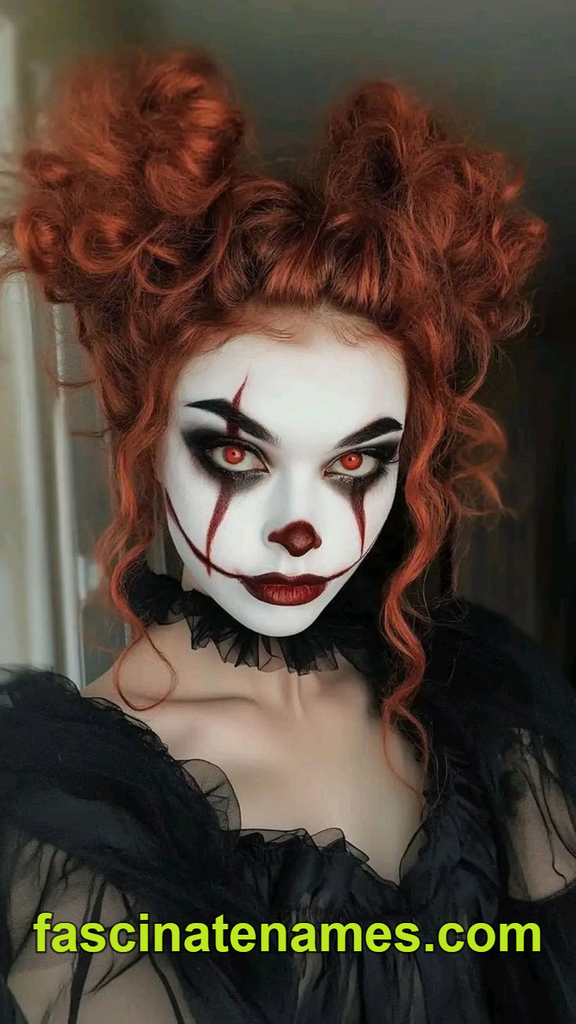
Flat, single-toned face paint can look unfinished. To add depth, layer a slightly darker shade of your base color into the hollows of the cheeks and along the jawline, then blend gently. For horror looks, dabbing a small amount of grey or green into the under-eye area and temples instantly ages the face and adds a sickly quality. A light dusting of iridescent powder on the cheekbones can bring dimension to a cute clown look without looking too glittery.
Working With Fake Blood
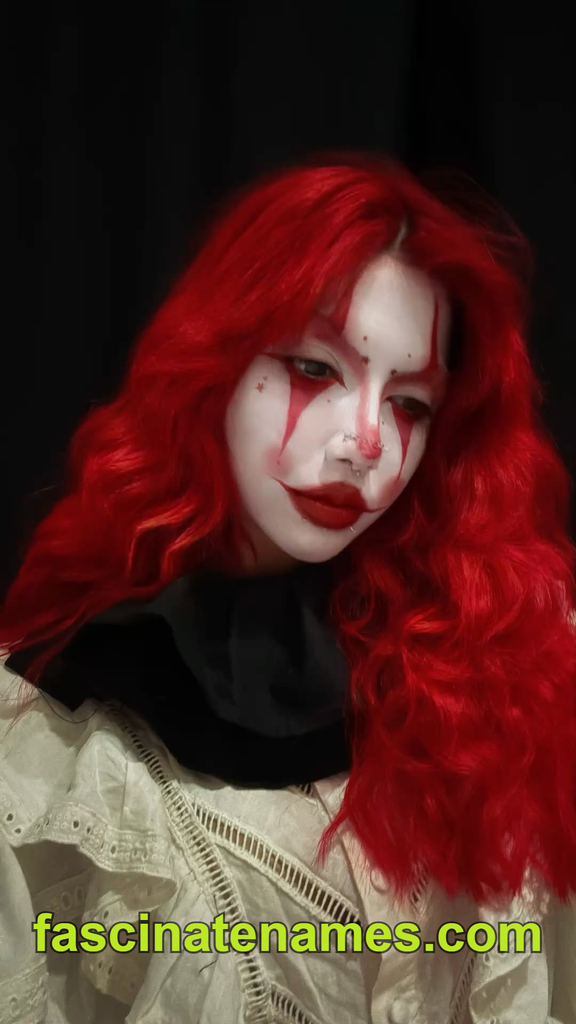
Fake blood is one of the easiest ways to transform a playful clown into something far more disturbing. A thin drip from the corner of the mouth or nostril suggests recent violence without overdoing it. Thicker pooling around the mouth or on the chin creates a more graphic, aggressive effect. Always test fake blood on a small patch of skin first, since some formulas can stain clothing or irritate sensitive skin. Look for washable, skin-safe formulas made specifically for costume use rather than DIY recipes with food coloring, which can stain unevenly.
Hair and Wig Ideas to Complete the Look
Hair is a huge part of selling a clown costume. For a classic circus clown, a brightly colored curly wig in orange, green, blue, or rainbow multicolor is the go-to choice. For a cute or clowncore look, pastel-colored wigs or temporary colored hairspray paired with playful pigtails or space buns work well. For a horror clown, a wild, unkempt wig in a single unsettling color (mossy green, faded orange, or even matted black) paired with intentionally messy styling sells the “something is wrong” feeling instantly.
Costume Pairings That Elevate Clown Makeup
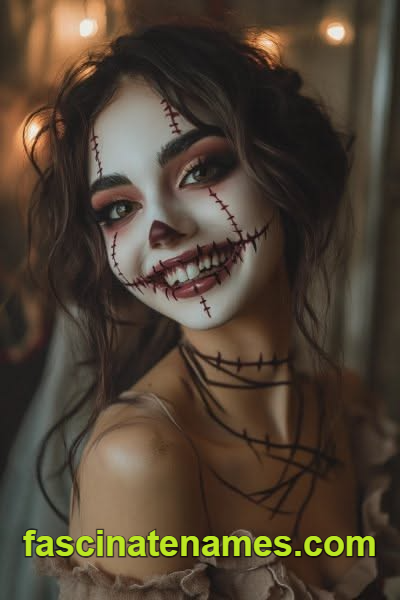
Your makeup will look even more effective when paired with the right costume elements. Ruffled collars, oversized bow ties, and polka-dot or striped fabric all read as classic clown signifiers. Suspenders and oversized pants work for a more traditional circus performer look. For horror clowns, torn or dirty fabric, mismatched patterns, and dark, muted colors like faded reds and browns feel far more menacing than bright, cheerful patterns. Gloves — either bright and colorful or tattered and stained — are a small detail that can make a big visual difference.
Common Mistakes to Avoid
Even experienced makeup users can run into trouble with clown looks, so keep these pitfalls in mind.
- Skipping setting powder, which leads to smudging within hours
- Using regular acrylic or craft paint instead of skin-safe face paint
- Applying face paint too thickly, causing cracking as it dries
- Forgetting to blend edges, leaving harsh, unnatural lines
- Neglecting a patch test, risking irritation or allergic reactions
- Rushing the process, especially for detailed horror effects that require layering
How to Make Your Clown Makeup Last All Night
Longevity is a common concern, especially for parties or events that run for hours. Always finish your look with a dedicated makeup setting spray rather than plain hairspray, which can irritate skin and eyes. Avoid touching your face throughout the night, and carry blotting papers rather than tissues to manage oil without disturbing the makeup underneath. If you’re using liquid latex for texture or scars, make sure it’s fully dry and sealed with powder before moving on to color, since trapped moisture underneath can cause premature peeling.
Kid-Friendly Clown Makeup Tips
If you’re creating a clown look for a child, safety should be the top priority. Choose hypoallergenic, non-toxic face paint made specifically for children, and always patch test beforehand. Keep designs simple: a white base, red cheeks, a red nose, and a simple smile can look adorable without requiring extensive application time, which matters when working with a wiggly child. Avoid anything near the eyes that isn’t specifically labeled safe for that area, and skip fake blood or realistic gore for younger children who may find it upsetting once they see themselves in the mirror.
How to Remove Clown Makeup Safely
Removing heavy face paint requires more than a quick face wash. Start with an oil-based makeup remover or cleansing balm to break down pigment, especially around stubborn areas like the lips and eyes. Follow with a gentle cleanser to remove any remaining residue, then moisturize generously afterward, since face paint and setting powder can be drying. If you used liquid latex, never peel it off forcefully — soften it first with warm water or a dedicated latex remover to avoid irritating your skin.
Frequently Asked Questions About Clown Makeup
Can I use regular makeup instead of face paint? Regular cream and powder makeup can work for lighter clown looks, but face paint typically provides better coverage and a more vibrant, opaque finish for bold colors like white and red.
How long does clown makeup application typically take? A simple cute clown look can take 15–20 minutes, while a detailed horror clown with blood, texture, and shading can take 45 minutes to over an hour.
Is clown makeup safe for sensitive skin? Yes, as long as you choose hypoallergenic, skin-safe products and patch test in advance. Avoid products with strong fragrances or known irritants if you have reactive skin.
What’s the easiest way to make a clown look scary without much skill? Asymmetry and smearing are your best tools. Simply making a normally neat design uneven, smudged, or off-center instantly adds an unsettling quality with minimal technical effort.
Final Thoughts on Creating Your Halloween Clown Look
Clown makeup remains one of the most flexible and rewarding Halloween looks because it can be shaped entirely around your personal vision — playful, elegant, or terrifying. With the right products, a clear idea of the style you’re going for, and a bit of patience during application, you can create a clown look that stands out at any Halloween party or trick-or-treating outing this year. Whether you lean into the classic circus charm or the modern horror-clown aesthetic, the key ingredients are the same: a strong white base, confident color choices, and attention to detail in the eyes and mouth, where all the character truly comes through.