Fall is a great season for workwear. The temperature drops, textures get richer, and layering lets you look sharp without feeling stiff. The right fall work outfits keep you comfortable through chilly commutes and overheated conference rooms, and they help you look professional every day. This guide covers 20 ideas for different offices, dress codes, and budgets, with practical advice on colors, fabrics, shoes, and building a wardrobe that works all season
1. Why Fall Is the Best Season for Workwear
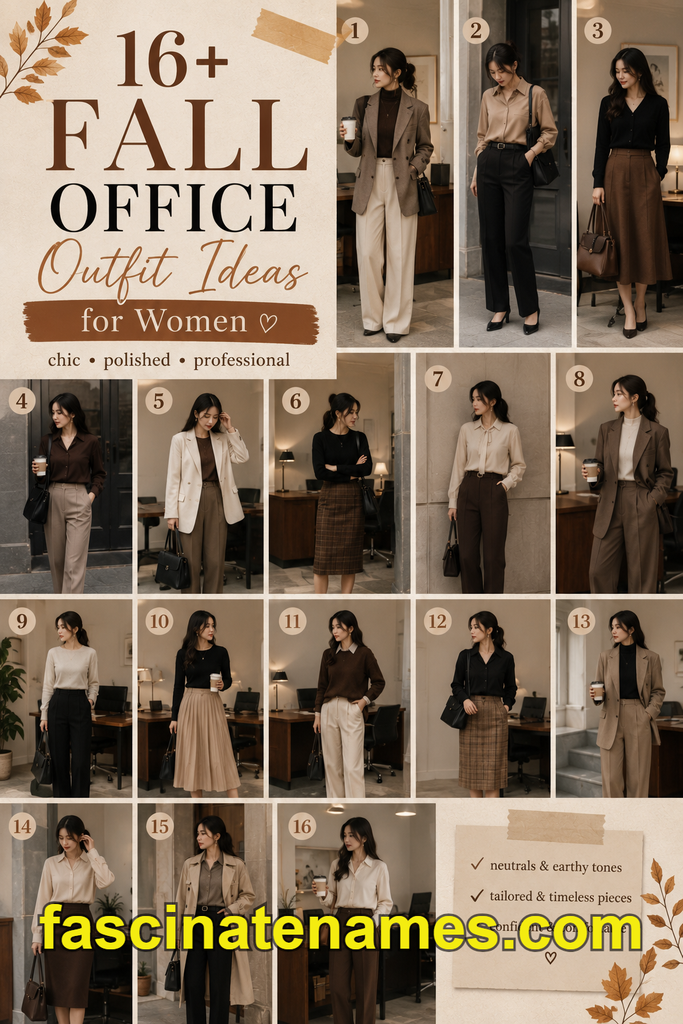
Many people say fall is their favorite season to get dressed for work. Summer often forces a choice between staying cool and looking formal, and winter can bury an outfit under a heavy coat. Fall sits in the middle, which gives you room to play.
Fabrics get more interesting in autumn. Wool, tweed, corduroy, suede, and soft knits all look professional and feel good. Colors also shift toward rich, grounded shades that read as polished, such as camel, navy, forest green, and burgundy. Layering is another advantage. A blazer over a sweater over a shirt looks intentional and lets you adjust to different temperatures throughout the day.
Fall also tends to bring a fresh start at work, with new projects, planning cycles, and meetings. A thoughtful wardrobe refresh can boost confidence at exactly the right time.
2. Know Your Dress Code Before You Shop
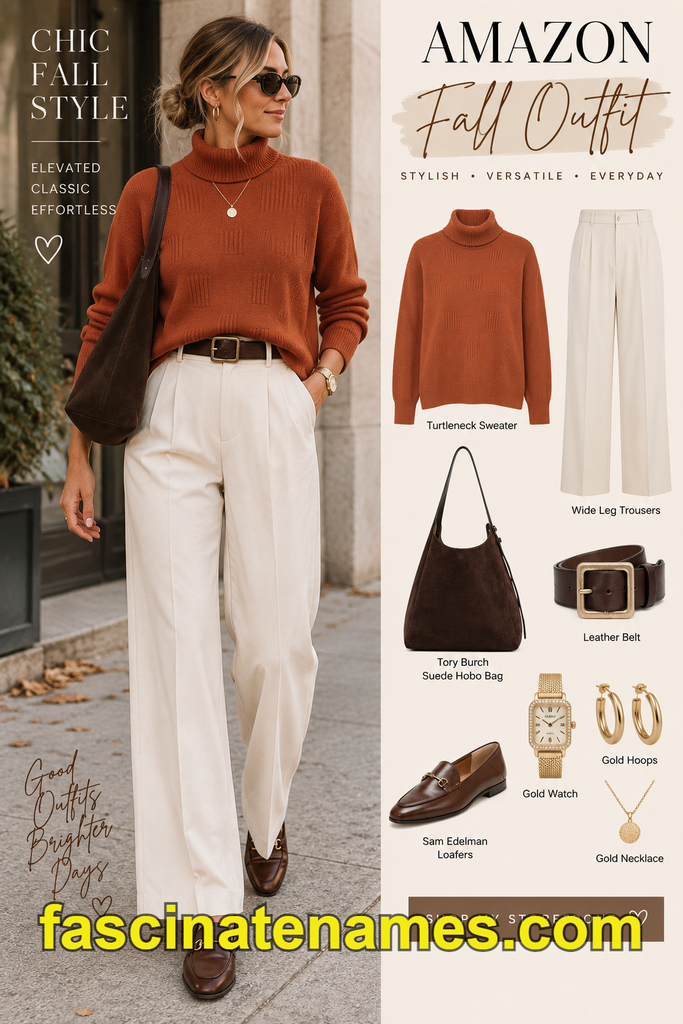
The best fall work outfit is one that fits your workplace. Before buying anything, check your company’s dress code and observe what colleagues and leaders typically wear. Dress codes generally fall into four categories:
- Formal or business professional: suits, tailored separates, and dress shoes
- Business casual: blazers, trousers, knits, and smart shoes without a full suit
- Smart casual: dark denim, nice knits, and clean sneakers may be acceptable
- Casual or creative: more freedom, though polish still helps
If the dress code is unclear, ask your manager or HR. Some industries, such as law, finance, and healthcare, have specific expectations. When in doubt, dress one step above what you think is required. It is easier to remove a blazer than to wish you had brought one, and looking put together builds credibility.
3. Fall Color Palettes That Look Professional
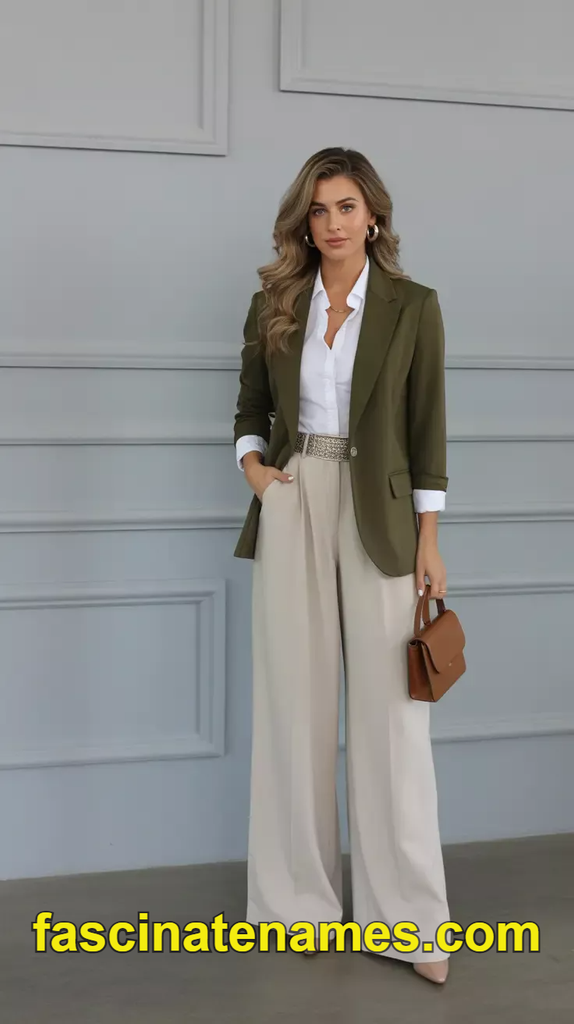
Color helps you look polished and makes mixing pieces easy. Fall palettes lean warm and earthy, but they are just as easy to build around neutrals.
Reliable combinations include:
- Navy, cream, and camel: classic and trustworthy
- Charcoal, burgundy, and gray: elegant and modern
- Olive, tan, and brown: grounded and approachable
- Black, white, and rust: crisp with a warm accent
- Chocolate, ivory, and forest green: rich and sophisticated
Choose a base of two neutrals and add one accent color. If you are building a wardrobe from scratch, start with neutrals because they mix and match easily. Then introduce fall shades through a sweater, scarf, or blouse. Consider your skin tone and hair color when choosing accent colors, and pick shades that make you feel confident.
4. Fabrics and Textures for Autumn Office Wear
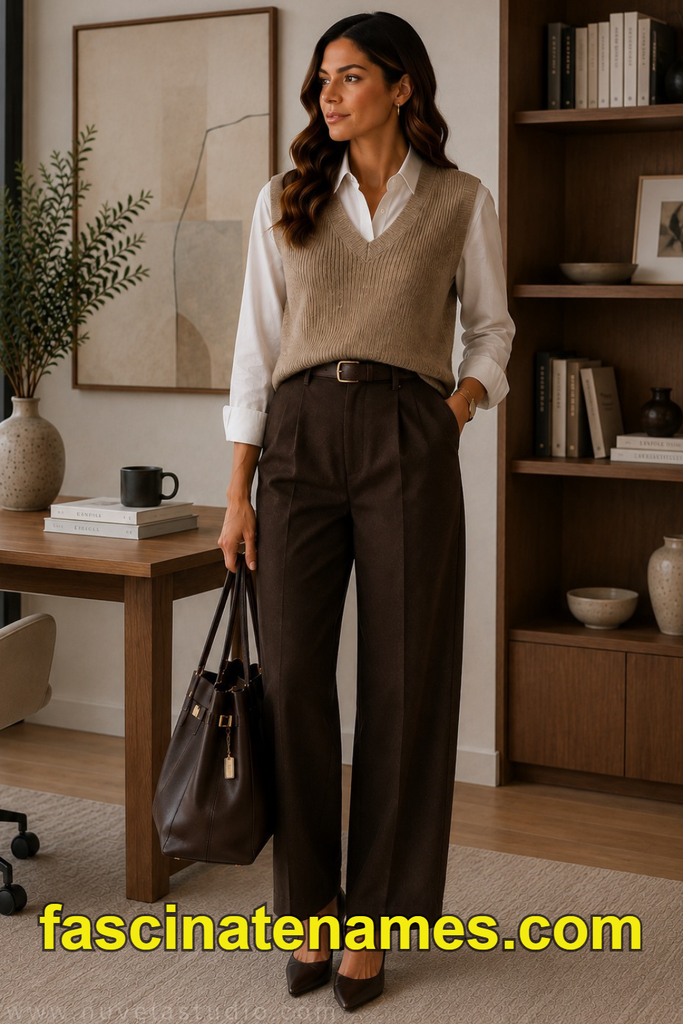
Texture gives fall outfits depth, and quality fabrics make an outfit look more expensive. Look for materials that suit both the season and the demands of a workday.
Good fall fabrics include:
- Wool and wool blends: warm, structured, and long-lasting
- Tweed: classic and distinctive
- Fine-gauge knits: professional and comfortable
- Corduroy: textured and casual-leaning, best in fine wales for the office
- Ponte and crepe: stretchy, wrinkle-resistant, and easy to wear
- Suede or faux suede: soft and refined for shoes and accessories
Check care labels before buying. Dry-clean-only pieces add cost and effort, so balance them with machine-washable basics. Pay attention to how fabrics feel after several hours. A scratchy sweater or stiff trousers can make a long day miserable, so comfort is worth testing in the fitting room.
5. The Layering Formula for Unpredictable Weather
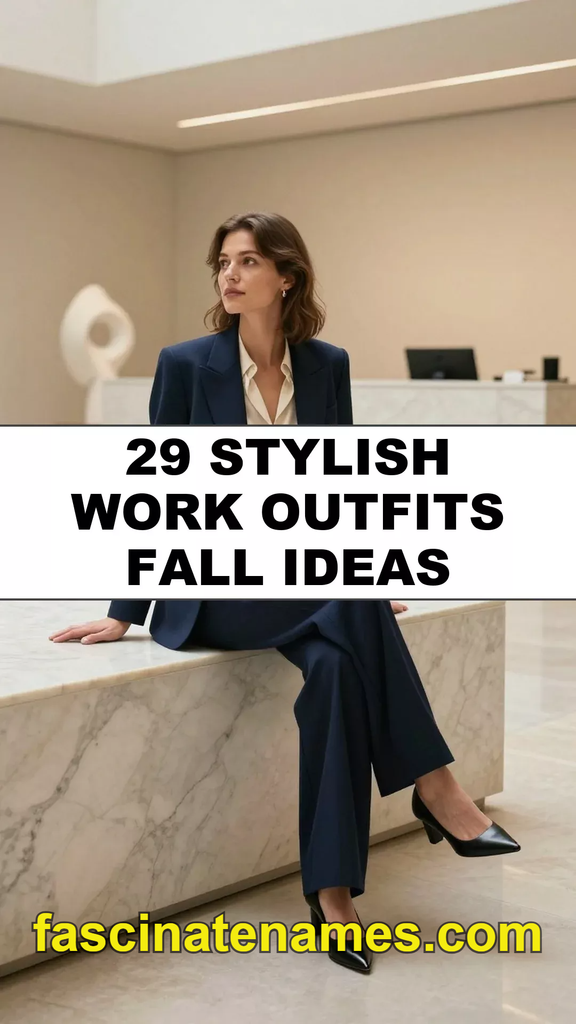
Layering is the most useful skill for fall dressing. Mornings may be cold, afternoons warm, and offices can swing between the two, so build outfits in adjustable pieces.
A simple formula:
- Base layer: a fitted tee, shell top, or button-up shirt
- Middle layer: a sweater, cardigan, vest, or blazer
- Outer layer: a coat, trench, or jacket for the commute
Keep base layers thin so the outfit does not feel bulky, and let the middle layer carry the color or texture. Take care with proportions. If you wear a chunky sweater, choose slimmer trousers or a straight skirt. A lightweight scarf is a great addition since it adds warmth on the way in and can be stored in your bag at your desk.
Layering also gives you options if the office is unpredictable, so keep a spare cardigan or blazer at work.
6. Blazers: The Ultimate Fall Work Staple
A well-fitted blazer instantly makes an outfit feel professional. It works over dresses, knits, tees, and button-ups, and it is one of the most versatile pieces you can own.
Fall blazer options include:
- Classic tailored blazers in navy, black, gray, or camel
- Tweed or textured blazers for depth
- Oversized blazers for a modern, relaxed shape
- Plaid or houndstooth blazers for a bit of personality
- Soft, unstructured blazers for comfort
Fit matters most. The shoulder seams should sit at your natural shoulders, sleeves should allow easy movement, and the jacket should button without pulling. If a blazer is almost perfect, a tailor can adjust it affordably. Start with a neutral blazer and add a bolder one later as your wardrobe grows.
7. Sweaters and Knits That Look Polished at Work
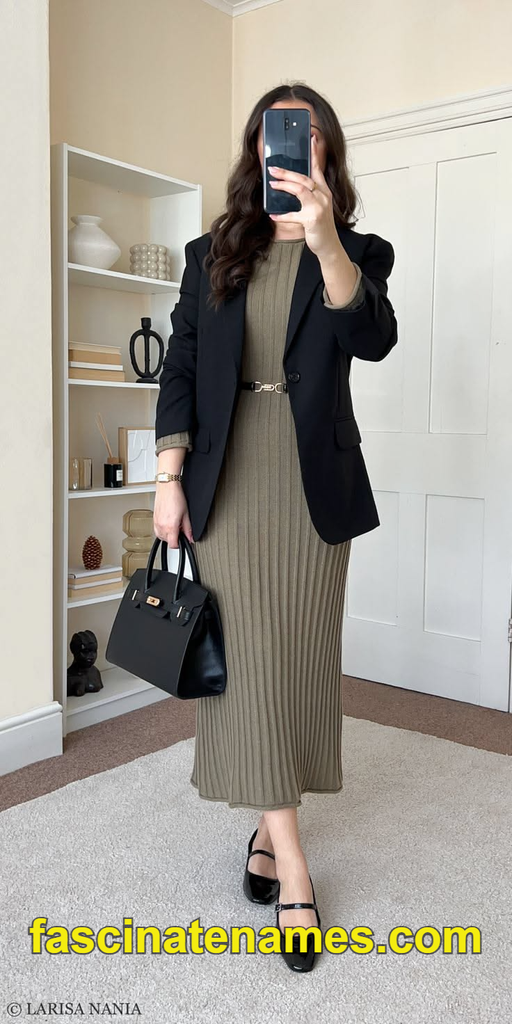
Sweaters are the heart of a fall work wardrobe, but not every sweater reads as professional. Choose fine-gauge knits with clean lines for the office and save chunky cable-knits for casual days.
Good options include:
- Crewnecks and V-necks in merino or a merino-style blend
- Turtlenecks and mock necks, which look sleek under blazers
- Cardigans, which are easy to layer and adjust
- Sweater vests, a trendy layer that suits many dress codes
- Knit sets for a coordinated look
Keep sweaters in good condition. Remove pills with a fabric shaver, fold instead of hanging to prevent stretching, and wash according to the label. A wrinkled or pilled sweater can undermine an otherwise polished outfit, while a crisp knit looks quietly expensive.
8. Trousers, Skirts, and Dresses for the Office
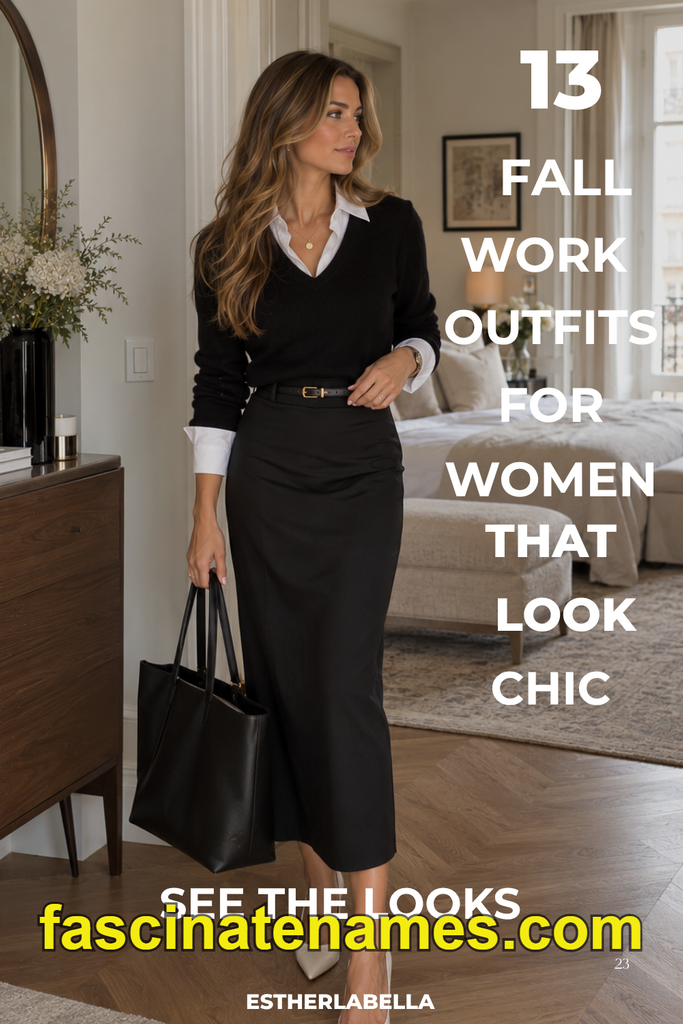
Bottoms set the overall tone of an outfit, so pick options that suit both your role and your comfort.
- Trousers: straight-leg, wide-leg, and tapered styles are all workplace-friendly, and tailored fits look sharp
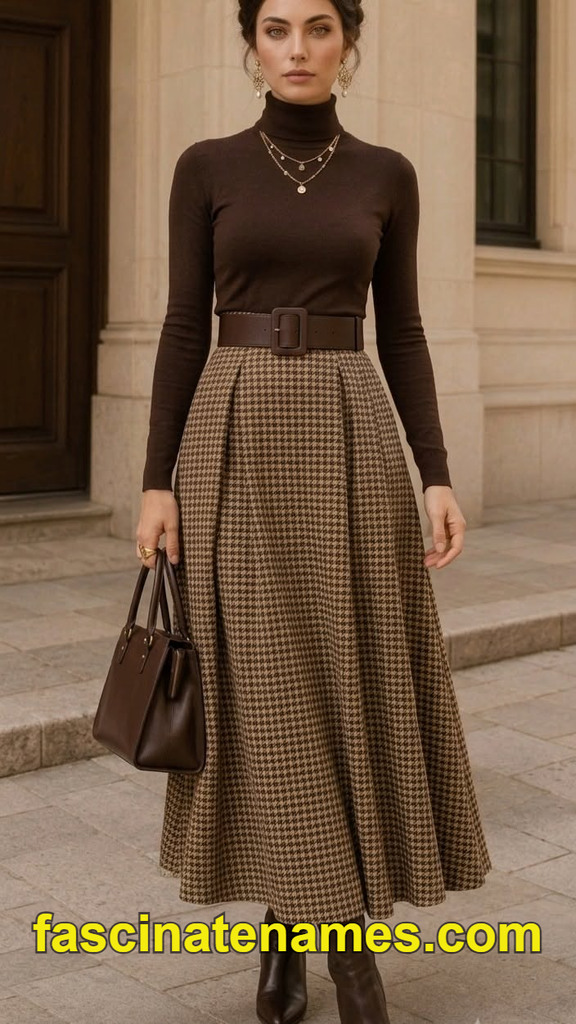
- Skirts: midi and pencil skirts in wool, ponte, or crepe are elegant and flexible
- Dresses: sweater dresses, shirt dresses, and wrap dresses are easy one-piece outfits
- Dark denim: appropriate in many offices if it is clean, dark, and free of rips
Length matters. Trousers should skim the top of your shoes, and skirts should fit your workplace’s norms. Try sitting down in every bottom before you commit, since a great fit while standing may pinch or ride up when seated. Good fit and quality fabric are worth more than trendiness.
9. Business Professional Fall Outfits
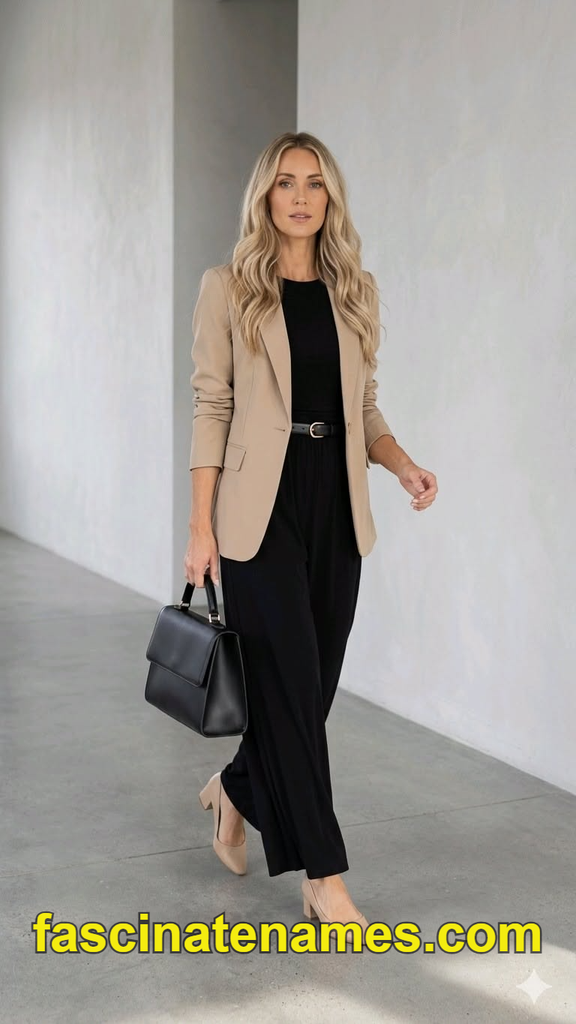
For formal workplaces, fall is a chance to enjoy classic tailoring in richer fabrics. Business professional outfits are polished, structured, and consistent.
Ideas include:
- A charcoal or navy wool suit with a crisp shirt or fine knit
- A tailored skirt suit with a silk blouse
- Wool trousers, a matching blazer, and a turtleneck
- A sheath dress with a structured jacket
- Dress shoes in black, brown, or burgundy
Pay attention to details. Make sure clothes are pressed, shoes are polished, and accessories are understated. Choose subtle patterns like pinstripes or herringbone over loud prints. For important meetings, interviews, or presentations, fit and grooming are as important as the clothes themselves. A good coat, such as a wool overcoat, finishes the look for the commute.
10. Business Casual Fall Outfits
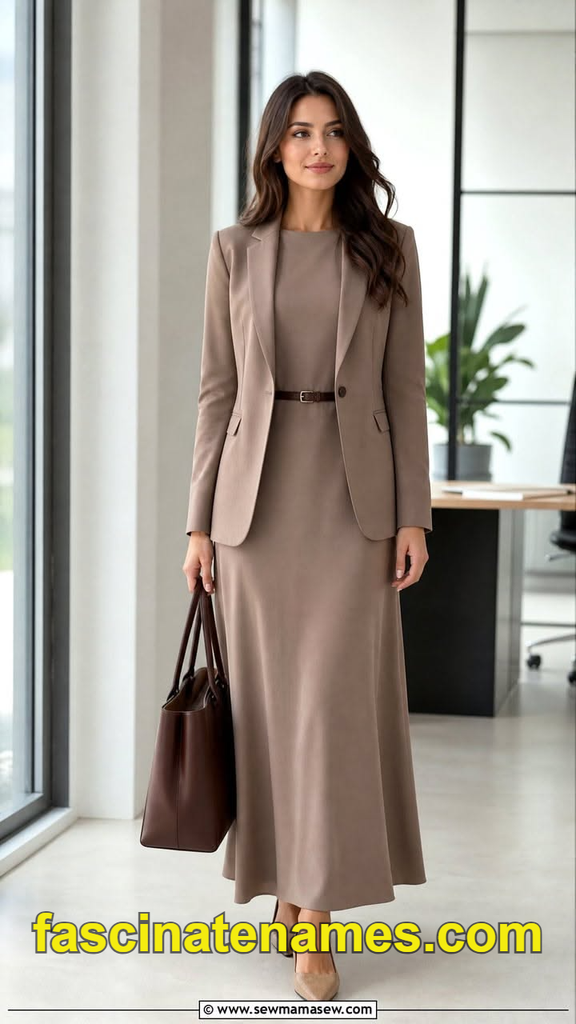
Business casual is the most common dress code and also the most confusing. It means polished but relaxed, so think tailored pieces without the full formality of a suit.
Reliable outfit formulas include:
- Chinos or trousers, a knit sweater, and loafers
- A button-up shirt, a cardigan, and dark trousers
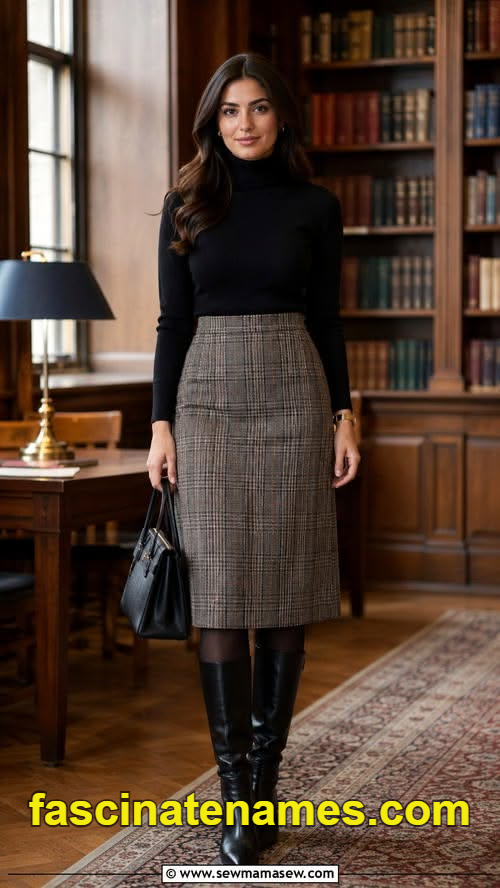
- A midi skirt, a fitted turtleneck, and ankle boots
- A blazer, a tee, and dark, well-fitting jeans, if permitted
- A knit dress with tights and boots
The key is a clean finish. Clothes should fit well, be free of wrinkles, and avoid distracting graphics or extreme distressing. Add one interesting element, such as a textured blazer or a nice belt, to keep the outfit from feeling generic. Business casual leaves room for personality, so use it.
11. Smart Casual and Creative Office Outfits
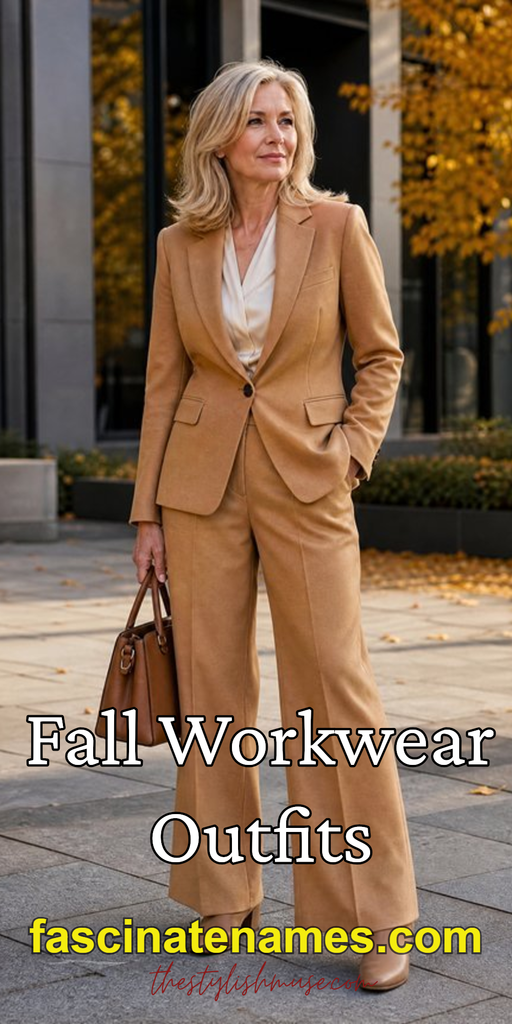
Some offices, especially in tech, media, design, and startups, allow a relaxed style. The risk is going too casual, so aim for polished comfort.
Ideas include:
- Dark jeans, a fine knit, and clean leather sneakers
- A shirt jacket or overshirt with a crisp tee and chinos
- A corduroy blazer with a simple top
- A midi skirt with a sweatshirt-style knit and boots
- Wide-leg trousers with a fitted top and a lightweight jacket
Even in casual workplaces, it helps to keep clothes crisp and fitted. Avoid worn-out sneakers, stained hoodies, or anything wrinkled. A casual environment is not the same as no standards, and looking neat shows respect for your colleagues and clients. You can express creativity through color, accessories, or an unusual jacket while staying professional.
12. Fall Work Outfits for Women
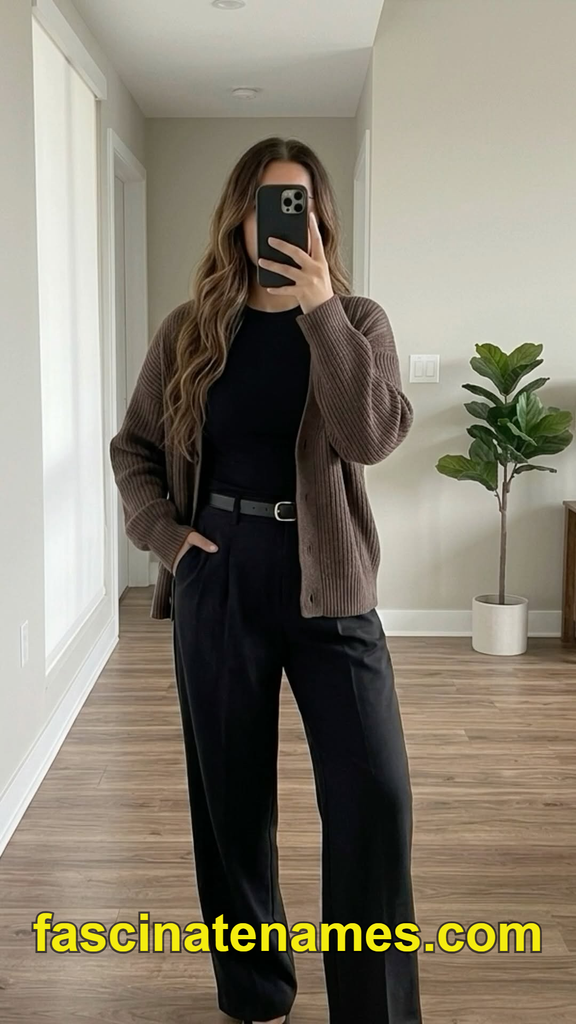
Women’s workwear offers many options, so build a rotation around your comfort and workplace.
Try these combinations:
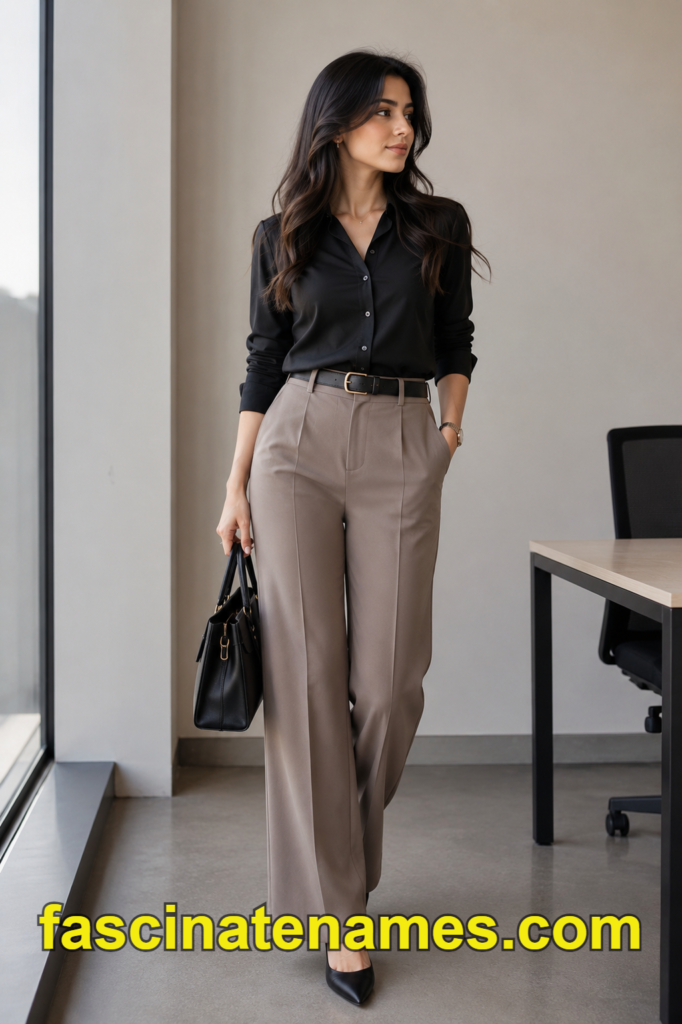
- A blazer, silk-style blouse, and wide-leg trousers
- A midi skirt, tucked-in knit, and knee-high boots
- A wrap dress with tights, a belt, and a long coat
- A tailored vest, button-up, and straight-leg trousers
- A monochrome outfit in camel, gray, or navy for a sleek look
Choose shoes you can walk in. Low block heels, loafers, ankle boots, and stylish flats all work. If you wear heels, keep a comfortable pair for commutes. Consider fabrics that resist wrinkles so your outfit looks fresh all day. A structured tote or work bag completes the look.
13. Fall Work Outfits for Men
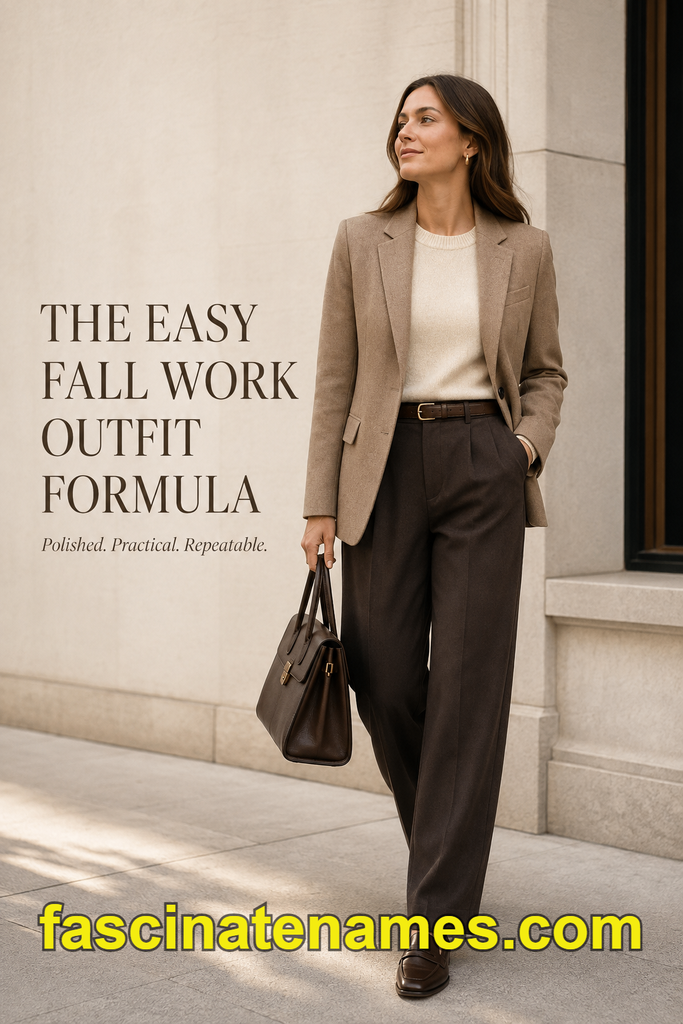
Men’s fall workwear benefits from good fit and quality basics. Simple pieces in rich colors and textures look professional and require little effort.
Good combinations include:
- A navy blazer, oxford shirt, and gray wool trousers
- A crewneck or quarter-zip sweater over a collared shirt
- Chinos, a merino sweater, and leather boots or loafers
- A suit in charcoal or navy with a fine-knit turtleneck instead of a tie
- A tweed jacket with a plain shirt and dark trousers
Coordinate your belt with your shoes and keep socks in complementary colors. A quality overcoat or trench provides a strong finishing layer. Grooming, pressed clothes, and clean shoes matter as much as the outfit itself.
14. Gender-Neutral and Inclusive Workwear Ideas
Professional style is not limited by gender. Tailored trousers, button-ups, structured blazers, knit sweaters, boots, and trench coats are all easy to mix regardless of who is wearing them. The most important factor is fit, so look for brands and tailors who offer a range of sizes and cuts.
For a versatile look, try:
- Straight-leg trousers with a crisp shirt and blazer
- A turtleneck, vest, and tailored pants
- A long overcoat over a monochrome outfit
- Loafers, Chelsea boots, or clean leather shoes
- Minimal accessories such as a watch, simple jewelry, or a leather bag
Workplace inclusion also means respecting different bodies, cultures, and personal expression. Dress in ways that feel authentic while following the dress code, and treat colleagues’ choices with respect.
15. Work From Home and Hybrid Day Outfits
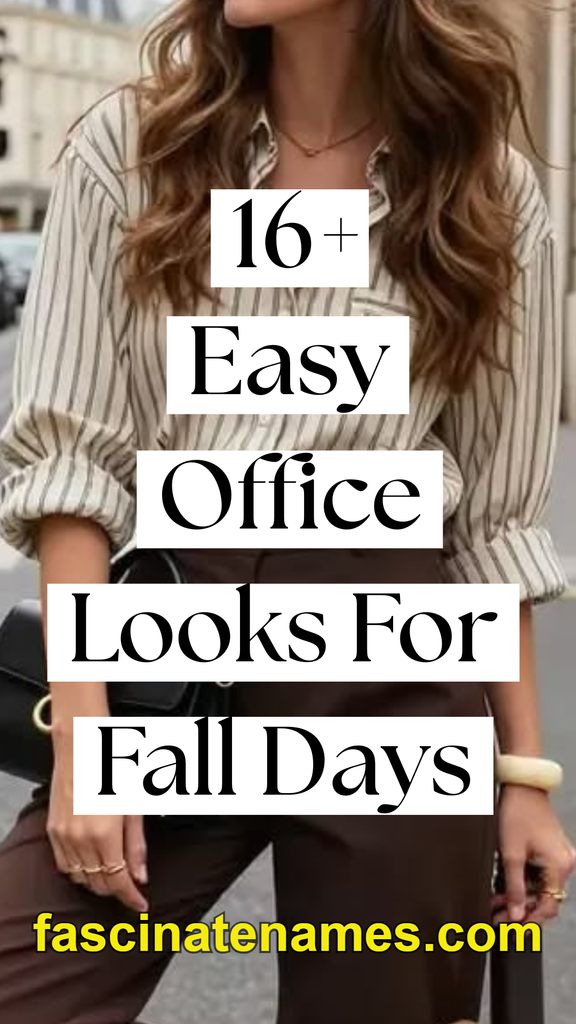
Remote and hybrid work has changed how people dress. Comfort matters, but so does feeling ready for the workday. What you wear can influence your mood and focus, and you may need to be camera-ready for video calls.
Consider the “top-half” approach: a polished sweater, blouse, or blazer for calls, paired with comfortable bottoms. Soft knit sets, structured cardigans, and elevated loungewear work well for home days.
For hybrid schedules, choose pieces that transition easily between home and office. A knit dress with a blazer, or trousers with a soft top and a jacket, can suit both. On camera, solid colors and simple textures look better than tiny patterns, which can shimmer on video. Keep a spare blazer nearby for unexpected meetings.
16. Shoes and Boots for the Office
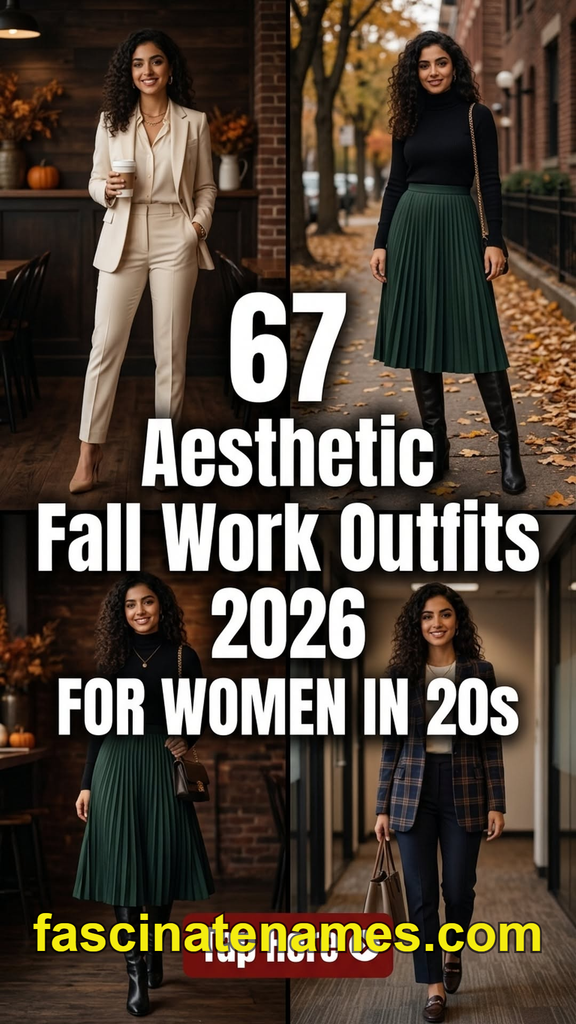
Shoes complete a work outfit and directly affect your comfort. You may spend hours walking, standing, or commuting, so choose carefully.
Fall-friendly options include:
- Loafers: classic, comfortable, and appropriate for most offices
- Ankle boots: versatile with trousers, skirts, and dresses
- Knee-high boots: sleek with midi skirts and dresses
- Oxfords or derbies: structured and polished
- Low block heels: stable and elegant
- Clean leather sneakers: suitable in casual offices
Look for good arch support and cushioned insoles. Break in new shoes gradually, and keep a comfortable pair at work if your commute is long. Protect leather and suede with a spray, especially on rainy days, and polish shoes regularly so they look cared for.
17. Coats, Scarves, and Accessories
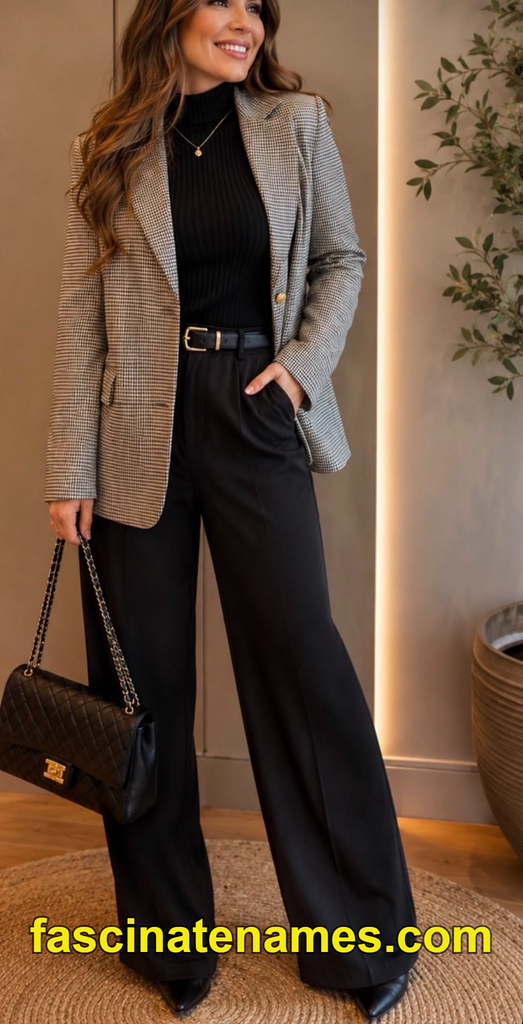
Accessories elevate an outfit and prepare you for changing weather. Start with a coat. A trench, wool overcoat, or tailored jacket looks professional on your commute and can change your entire look.
Add accessories thoughtfully:
- Scarves: wool, cashmere-style knits, or silk for warmth and color
- Bags: structured totes, briefcases, or leather satchels with room for a laptop
- Belts: leather belts that match your shoes
- Jewelry: simple earrings, a watch, or delicate necklaces
- Gloves and hats: for cold-weather commutes
Keep accessories understated for formal offices, and add more personality in creative workplaces. Choose quality over quantity, and make sure everything works together. A bag in good condition and a neat scarf say a lot about your attention to detail.
18. Budget-Friendly and Sustainable Workwear
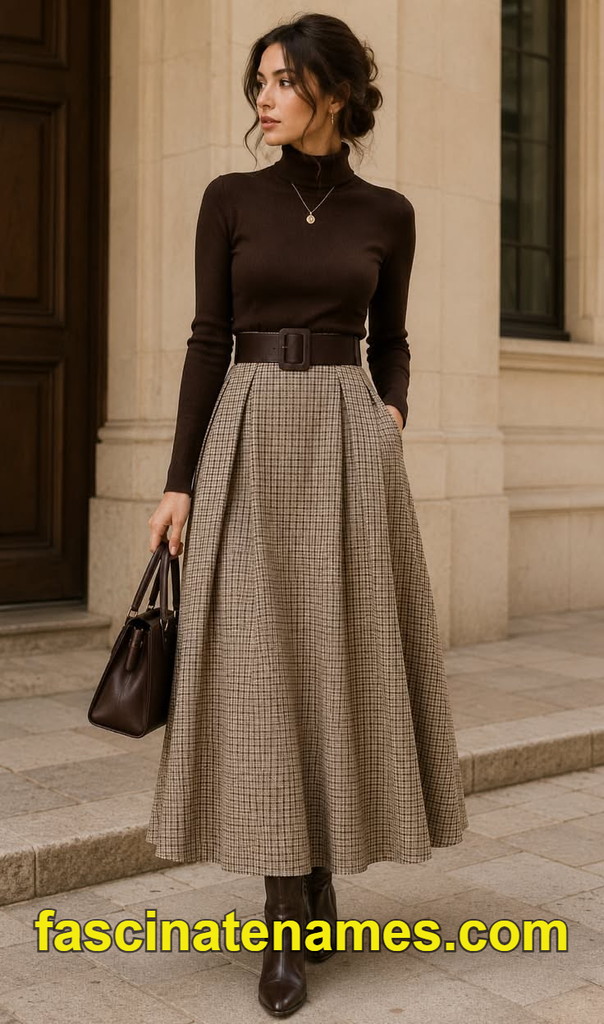
A strong work wardrobe does not require a huge budget. Focus on versatile pieces and buy fewer, better items.
Money-saving tips:
- Build around neutral basics that mix with everything
- Shop secondhand and consignment stores for blazers, coats, and shoes
- Watch for seasonal sales, especially at the end of fall
- Choose durable fabrics that last through many wears
- Use a tailor to adjust fit, which can make affordable clothes look custom
- Try renting or swapping clothes for special occasions
Sustainability and savings often go hand in hand. Repairing, cleaning, and caring for your clothes extends their life. Consider a “cost per wear” approach: a coat worn 100 times is a better value than a cheap piece worn twice. Keeping a small, thoughtful wardrobe also reduces decision fatigue.
19. Common Fall Work Outfit Mistakes to Avoid
Even well-meaning outfits can miss the mark. Watch out for these common mistakes:
- Ignoring the dress code: always check expectations first
- Poor fit: clothes that are too tight or loose look unpolished
- Overlayering: too much bulk can hide your shape and cause overheating
- Wrinkled or pilled clothing: steam, iron, and de-pill regularly
- Uncomfortable shoes: blisters and sore feet can ruin your day
- Inappropriate details: overly sheer fabrics, low necklines, or distracting graphics
- Skipping the mirror check: look at your outfit from the front, back, and while seated
Prepare the night before. Laying out your outfit, checking the weather, and ensuring everything is clean and ready saves time and stress in the morning.
20. Final Thoughts: Build a Fall Work Capsule Wardrobe
The best fall work outfits are simple, comfortable, and made from pieces that work together. A small capsule wardrobe can produce dozens of outfits with minimal effort.
A starter capsule might include:
- Two or three fine-knit sweaters or turtlenecks
- A neutral blazer and a second layering jacket or cardigan
- Two pairs of trousers and a skirt or dress
- Two button-up shirts or blouses
- One versatile coat
- Comfortable shoes and boots
- A quality bag and a few accessories
Choose a color palette, prioritize fit, and rotate pieces to keep things fresh. Dressing well for work is not about impressing anyone. It is about feeling ready, confident, and comfortable so you can focus on doing your best work this fall.