Fall is a natural time for a hair refresh. The weather changes, wardrobes shift toward richer colors, and many people are ready for a new look after summer sun, chlorine, and humidity. For women over 40, the season is also a chance to update a style so it suits current hair texture, lifestyle, and taste. The best fall hair over 40 is not about looking younger. It is about looking polished, healthy, and like yourself. This guide covers 20 ideas, from cuts and colors to gray hair, thinning, styling, and care, so you can walk into the salon with a clear plan.
1. Why Fall Is the Perfect Time for a Hair Refresh
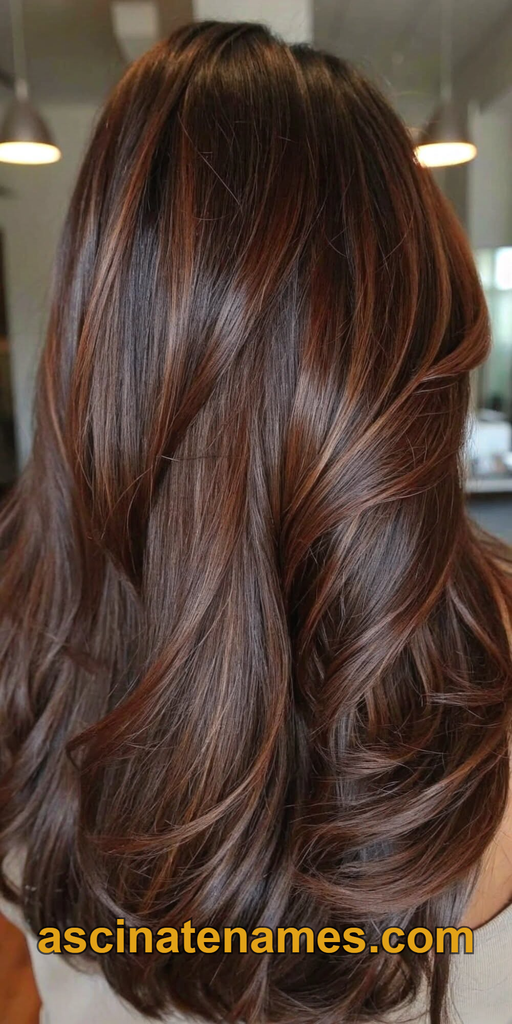
Summer takes a toll on hair. Sun exposure, salt water, chlorine, and heat can leave strands dry, faded, and frizzy. By September, many people notice split ends, dull color, and a general lack of shine. Fall gives you a chance to reset.
The season also brings a shift in mood. Warmer, deeper hair colors look natural against autumn clothing, and cozy textures like knits and scarves pair well with softer, fuller hairstyles. A fresh cut removes damage, and a glaze or gloss can restore shine.
Practical timing matters too. Fall is often less busy than the holiday season, so booking a salon appointment is easier. A good cut and color in early autumn can carry you through winter events with minimal upkeep, especially if you choose a low-maintenance style.
2. How Hair Changes After 40
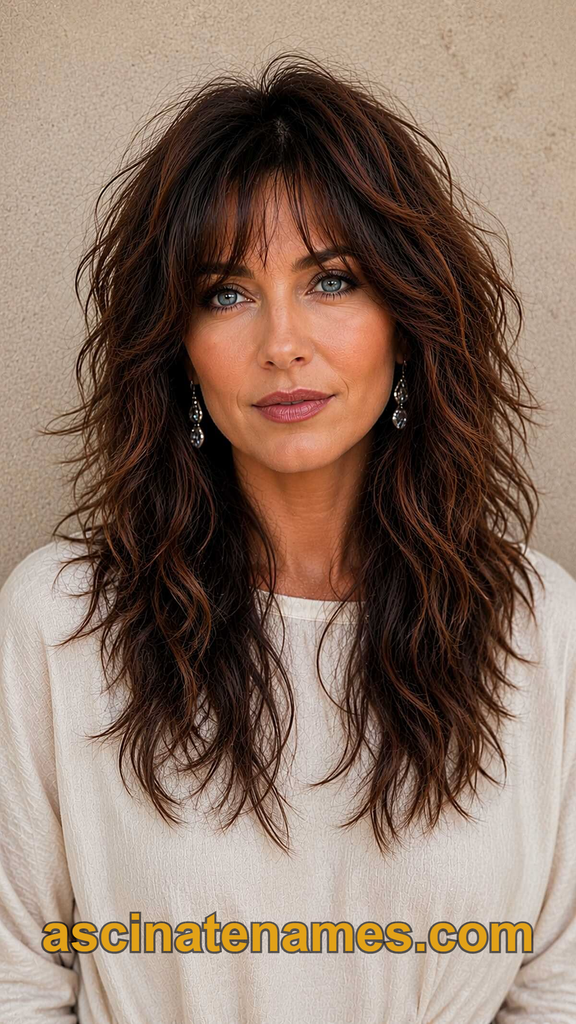
Hair naturally changes over time, and understanding those changes helps you choose styles that work with your hair instead of against it. Common changes include a shift in texture, such as hair becoming drier, coarser, or wavier. Hair may also feel finer or less dense, and some people notice slower growth or more shedding.
Gray hair typically becomes more visible, and the timing varies widely from person to person. Gray strands often have a different texture from pigmented hair, and they can be wiry or resistant to styling.
Hormonal changes, stress, diet, and medications can all affect hair. If you notice sudden or significant changes, such as rapid thinning or patchy hair loss, it is worth speaking with a doctor or dermatologist. Otherwise, most changes can be managed well with the right cut, products, and routine.
3. Choosing a Cut That Suits Your Face, Hair, and Lifestyle
Before deciding on a style, consider three factors: your hair texture, your face shape, and how much time you want to spend styling. A high-maintenance cut that looks great in the salon can become frustrating at home.
Ask yourself a few questions:
- Is your hair fine, medium, or thick?
- Is it straight, wavy, or curly?
- How long does your morning routine usually last?
- Do you prefer air-drying or blow-drying?
- How often are you willing to visit the salon?
Bring photos to your stylist, and be honest about your habits. A good stylist will adapt a cut to your hair growth patterns, cowlicks, and density. A style that works with your natural texture will look better on more days than one that fights it.
4. Fall Bob Haircuts for Women Over 40
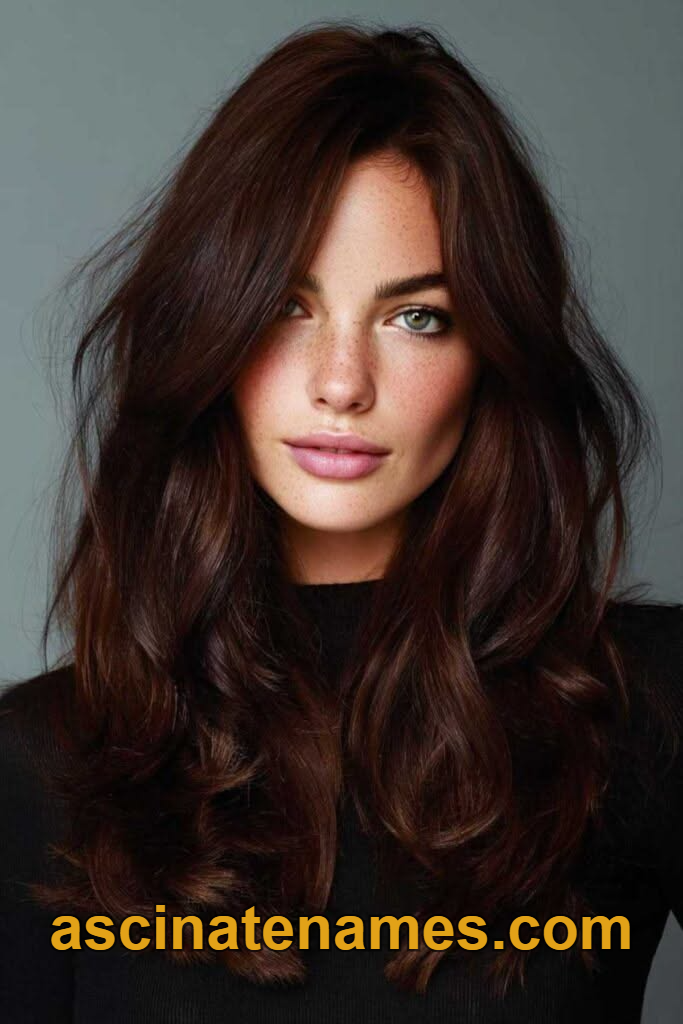
The bob is a classic for good reason. It is polished, versatile, and adaptable to nearly every hair type. In fall, a bob feels fresh and works well with scarves and collars.
Popular variations include:
- Blunt bob: a sleek, one-length cut that makes fine hair look thicker
- Layered bob: soft layers add movement and body
- A-line bob: slightly longer in front for a flattering frame
- French bob: chin-length with a slight wave or bangs
- Textured bob: cut with a razor or point-cutting for a relaxed feel
Choose the length based on your neck and jawline. A chin-length bob can sharpen the face, while a shoulder-grazing lob (long bob) is a softer, easier option for many people. Ask your stylist how the cut will behave as it grows out so you can plan maintenance visits.
5. Long Hair and Layers After 40
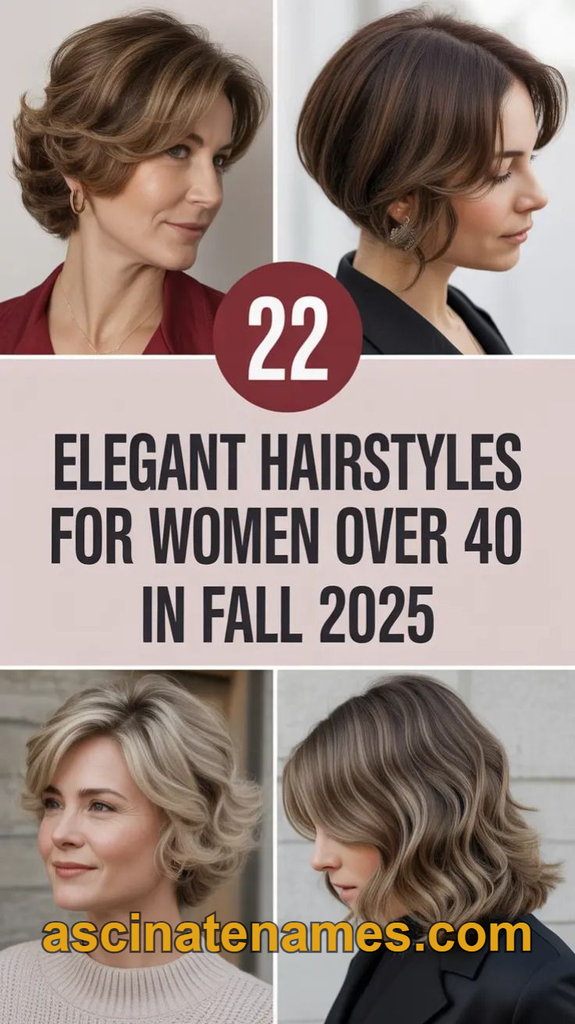
Long hair is still an excellent choice at any age when it is healthy, well shaped, and suited to your lifestyle. The key is keeping the ends fresh, since thin or ragged ends can make long hair look tired.
Consider:
- Long layers for movement without losing length
- Face-framing pieces that soften features
- Soft waves for a relaxed, romantic effect
- A slight taper at the ends so the hair looks fuller
- Regular trims every 8 to 12 weeks
If your hair is fine, avoid heavy layering, which can make ends look sparse. If it is thick, longer layers can reduce bulk and make styling easier. Long hair can be worn down, in a low bun, or in a braid, so it adapts well to changing weather. Ask your stylist whether your length suits your hair’s density.
6. Medium-Length Cuts: The Versatile Middle Ground

Shoulder-length and collarbone-length cuts are popular because they balance ease and options. You can wear them down, tie them back, tuck them behind your ears, or style them with curls or waves.
Good choices include:
- The lob: a long bob that skims the collarbone
- Shaggy layers: feathered layers with plenty of texture
- Soft, rounded layers: ideal for straight or wavy hair
- Curtain fringe with medium length: a modern, flattering frame
- Blunt shoulder-length cut: clean and sleek
Medium lengths tend to grow out gracefully, which is helpful if you do not visit the salon often. They also work well with fall clothing, since they sit comfortably over coats and sweaters. If you like a wash-and-go routine, ask for a cut designed to air-dry with your natural texture.
7. Short Haircuts and Pixies for Autumn
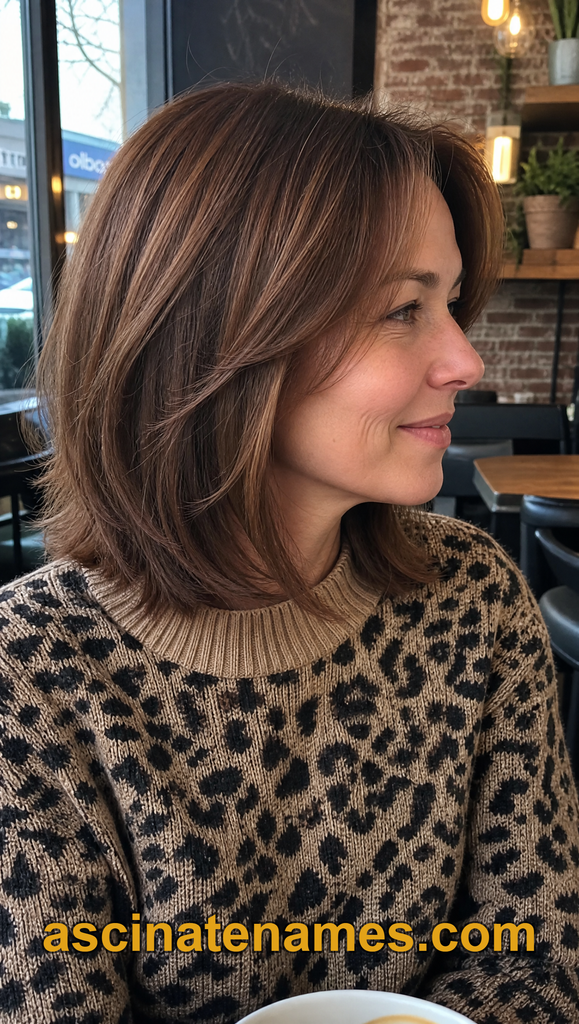
A short haircut can be striking and low-maintenance. Many women over 40 choose short styles for their ease, their modern look, and the way they highlight the eyes and cheekbones.
Options include:
- Classic pixie: short and tapered, with texture on top
- Textured crop: slightly longer and more tousled
- Bixie: a blend of bob and pixie
- Short layered cut: soft shape with movement
- Undercut or tapered nape: a clean, contemporary detail
Short hair requires more frequent trims, typically every four to six weeks, to keep its shape. It also benefits from styling products such as light pomade, texturizing spray, or cream. If you are nervous about going short, try a chin-length cut first. A good stylist can advise whether your hair type and head shape suit a pixie.
8. Bangs and Fringe Ideas for Fall
Bangs can make a big difference to a hairstyle, and fall is a good time to try them since the cooler weather is kinder to styling than summer humidity. The right fringe can frame the face and soften features.
Popular styles:
- Curtain bangs: parted in the center and swept to the sides
- Wispy or feathered bangs: light and easy to style
- Side-swept bangs: a gentle, grown-out look
- Blunt bangs: bold and graphic, best with straight hair
- Long, face-framing bangs: blend into layers
Consider your hairline, cowlicks, and forehead shape. Fine, straight hair often works well with wispy bangs, while thick or curly hair may need more careful shaping. Bangs require regular trimming, and many salons offer quick, low-cost touch-ups. If you are undecided, ask for longer bangs that you can pin back while they grow out.
9. Fall Hair Color Trends for Women Over 40
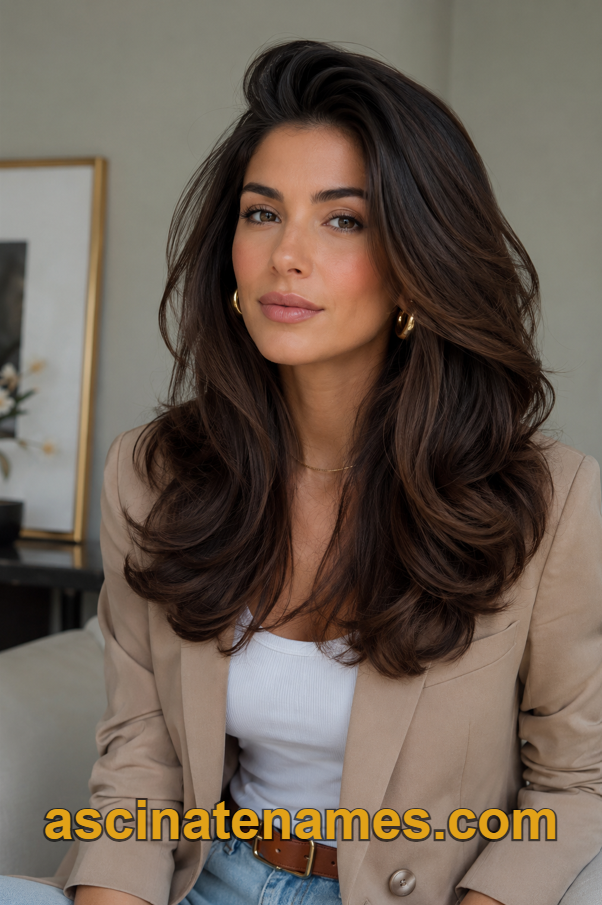
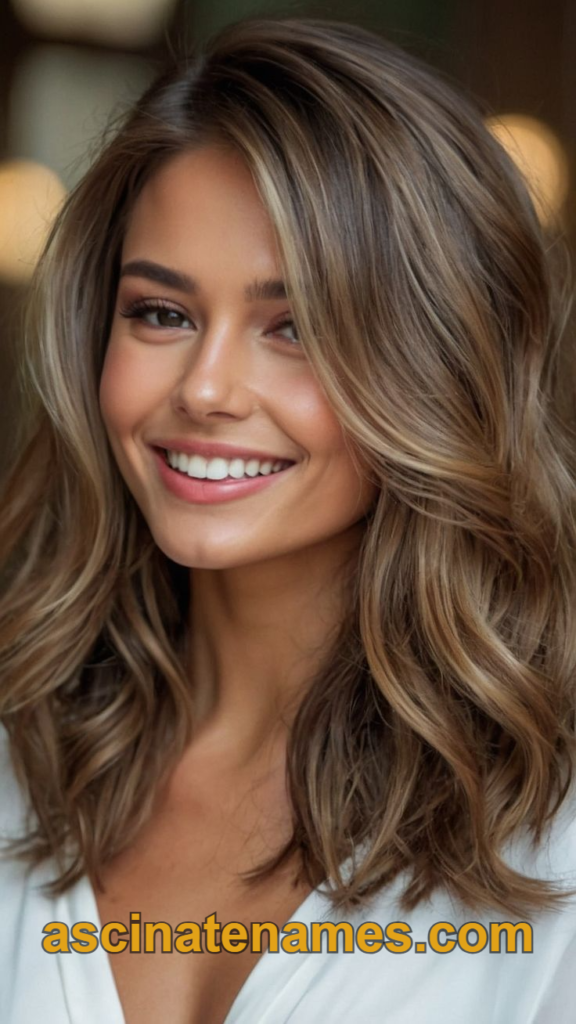
Color is one of the most enjoyable parts of a fall hair refresh. Trends this season lean toward rich, warm, and dimensional shades that look natural and glossy.
Popular directions include:
- Warm chocolate brown: deep and shiny
- Copper and auburn: warm tones with a vibrant, seasonal feel
- Honey and caramel highlights: soft and sunlit
- Rich espresso: a dark, glossy base for brunettes
- Soft golden blonde: a muted, buttery shade
- Deep burgundy or mahogany tones: subtle red for a dramatic effect
Choose a shade close to your natural color, or one or two shades warmer or deeper, since dramatic shifts require more upkeep. Ask your colorist to consider your skin’s undertone. Warm undertones often glow in golden and copper tones, while cool undertones may prefer ash brown or cooler, softer reds.
10. Highlights, Lowlights, and Dimension

One solid color can look flat, especially on mature hair. Adding dimension creates depth and helps hair appear thicker and healthier. It also softens regrowth, so you can go longer between appointments.
Techniques to ask about:
- Balayage: hand-painted highlights for a natural, blended effect
- Babylights: fine, delicate highlights that mimic natural lightening
- Lowlights: darker strands that add richness and depth
- Foilyage: a mix of balayage and foils for brighter results
- Face-framing highlights: brighter pieces around the face
For fall, many stylists suggest reintroducing warmth with lowlights or a glaze to counteract summer brightness. Ask how the color will look as it grows out, and choose a placement that suits your budget and schedule. A glossing treatment every six to eight weeks can maintain shine and tone.
11. Embracing Gray Hair in Fall
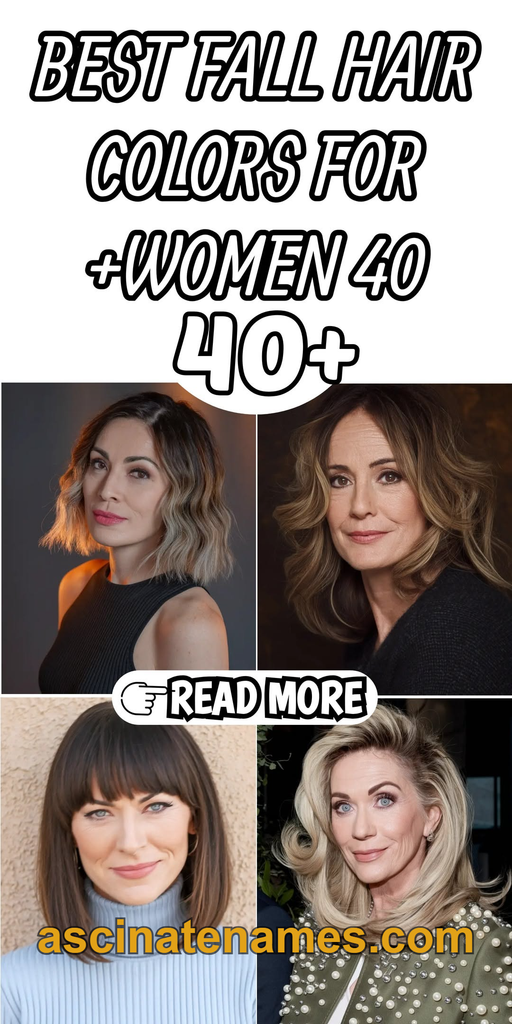
Gray hair is becoming a stylish choice for many women. Some embrace it fully, while others prefer a gradual transition. Either way, gray hair looks best when it is healthy, shiny, and well shaped.
Tips for wearing gray:
- Get a good cut: shape makes gray look intentional
- Use purple or blue shampoo occasionally to reduce yellowing
- Add moisture: gray hair can be drier and wiry
- Try a gloss to boost shine and smooth texture
- Consider soft highlights to blend the transition
If you are growing out color, a colorist can use lowlights and highlights to blend the line between natural and dyed hair. Some people prefer a dramatic chop to remove old color quickly, while others choose a slower path. Silver hair pairs beautifully with jewel tones and cool fall shades like navy, plum, and emerald.
12. Covering Grays and Blending Roots
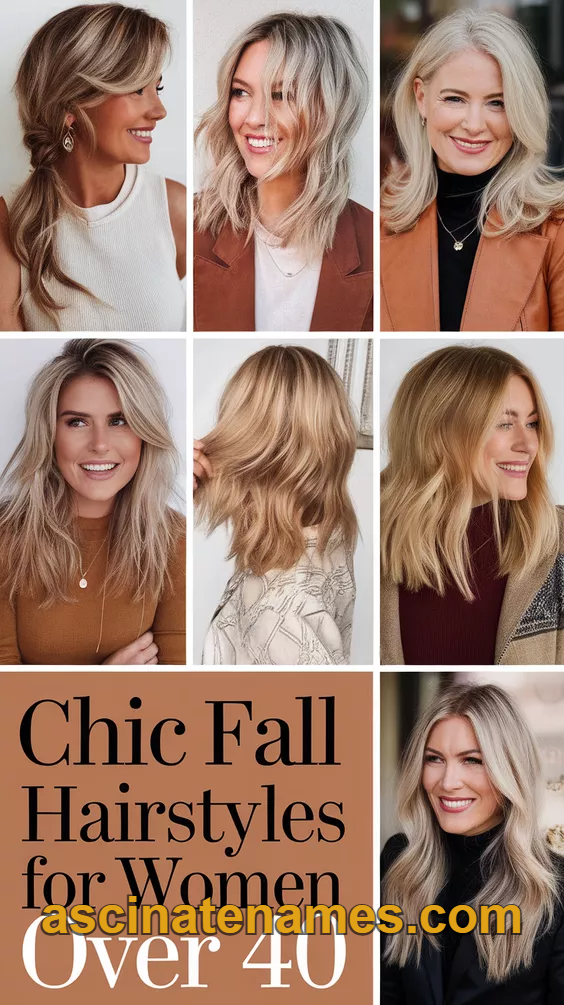
If you prefer to cover gray, there are several ways to do it while keeping maintenance manageable. The best approach depends on how much gray you have and how often you want to color.
Options include:
- Permanent color: full coverage and long-lasting results
- Demi-permanent color: gentler and fades gradually
- Root smudging: blends the root into the surrounding color
- Highlights to camouflage gray: softens the contrast
- Root touch-up sprays or powders for quick fixes between appointments
Shadow roots, where the color is slightly darker at the root and blends into the length, are popular because they grow out softly. If you color at home, choose a shade close to your natural color and follow the instructions carefully, including strand testing. For dramatic changes or complex color, consider seeing a professional.
13. Styling Fine or Thinning Hair
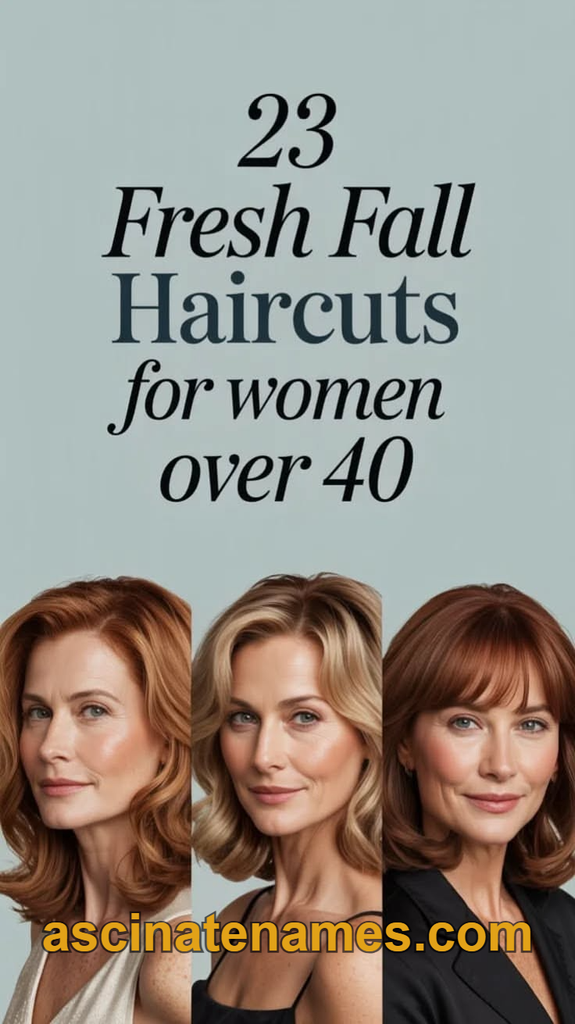
Fine hair is common, and many people notice more fragility or a loss of density over time. The right cut and styling habits can make hair look fuller.
Helpful strategies:
- Choose a blunt cut that keeps the ends thick
- Add light layers for movement, but avoid over-thinning
- Use volumizing products, such as mousse or root-lifting spray
- Blow-dry at the roots for lift
- Part your hair slightly off-center to add volume
- Avoid heavy oils and creams that weigh hair down
Color can help, too. Soft highlights or lowlights can create the illusion of thickness. Hair thickening shampoos and lightweight conditioners are worth trying. If you are concerned about noticeable thinning, a doctor or dermatologist can check for underlying causes, since thinning can be linked to many factors, including nutrition, stress, thyroid issues, and hormones.
14. Managing Dry, Frizzy, or Coarse Hair
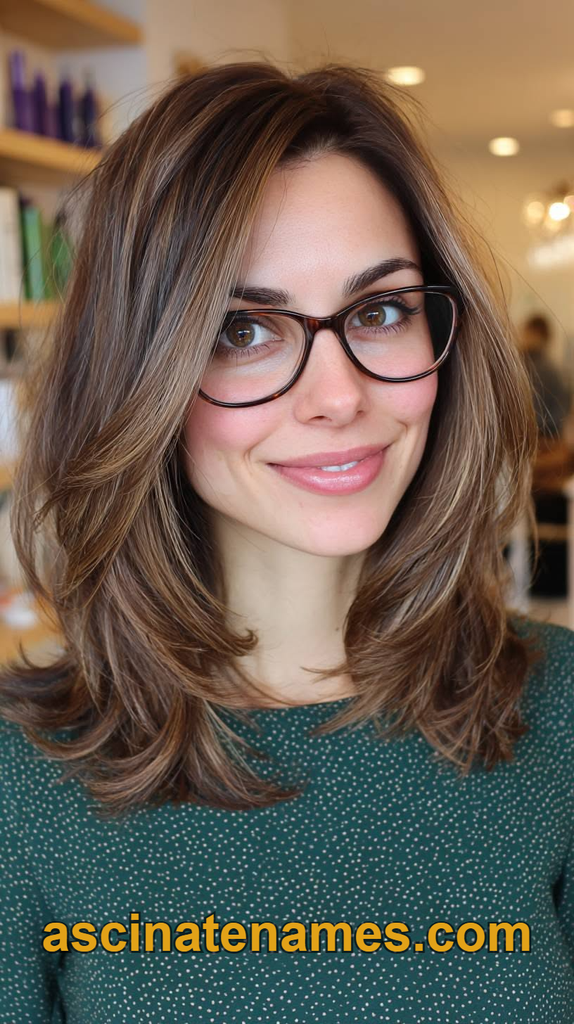
Autumn air can be drier, and mature hair often needs more moisture. Frizz, breakage, and rough texture are common complaints, but a good routine can make a big difference.
Try:
- Hydrating shampoo and conditioner formulated for dry or mature hair
- A weekly deep conditioning mask or bond-building treatment
- A leave-in conditioner or lightweight cream after washing
- A hair oil or serum on the ends for shine
- Lower heat settings on styling tools
- A silk or satin pillowcase to reduce friction
Limit washing to the number of times your scalp needs it, since over-washing can strip natural oils. Use a wide-tooth comb on wet hair, and avoid rough towel drying. Air-drying with a bit of styling cream can work for many textures, and regular trims prevent split ends from traveling up the hair shaft.
15. Fall Styling Ideas: Waves, Blowouts, and Updos
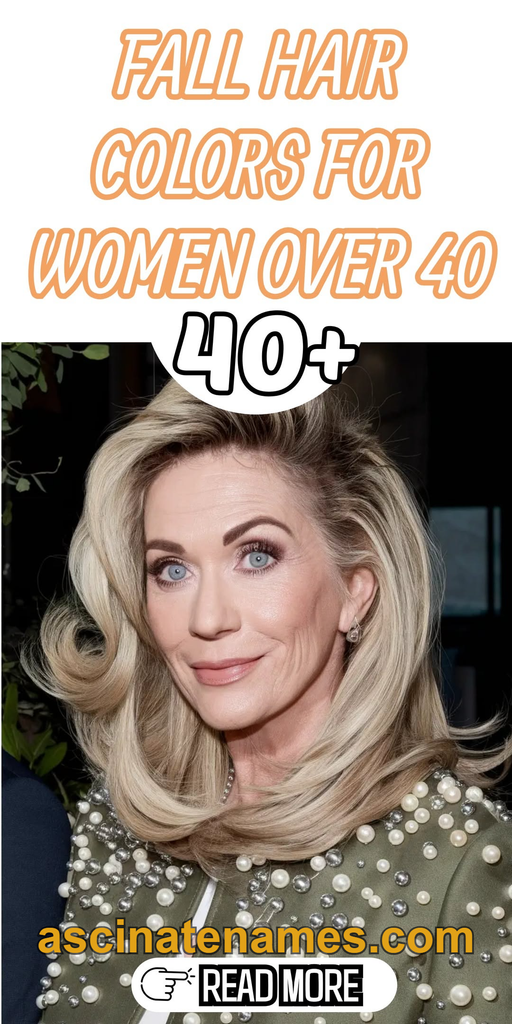
Styling can bring out the best in your cut and color. A few reliable techniques work well for mature hair.
Popular styling options:
- Soft waves: created with a curling iron or wand for gentle movement
- A smooth blowout: polished and elegant
- Low ponytail or chignon: neat and quick
- Half-up styles: flattering and easy
- Braids and twists: good for adding interest and hiding second-day hair
- Headbands, clips, and scarves: great fall accessories
For a natural finish, use a heat protectant and choose a barrel size that matches your hair length. Loose waves often look more flattering than tight curls. Practice a few go-to styles so you can change your look easily. Accessories in fall shades, such as tortoiseshell clips, velvet scrunchies, or silk scarves, add polish.
16. Best Products for Fall Hair Care
A simple, well-chosen routine can improve your hair’s appearance. You do not need a shelf full of products, but a few key items can make a difference.
Consider:
- Shampoo and conditioner suited to your hair type and concerns
- A scalp-friendly cleanser if you experience dryness or buildup
- A deep conditioning or bond-repair mask
- Heat protectant spray for styling
- A lightweight volumizer for fine hair
- A shine serum or oil for smooth ends
- A color-safe shampoo if your hair is colored
Read ingredient lists if you have sensitivities or allergies, and patch test new products when needed. Avoid layering too many products, since buildup can weigh hair down. Start with the basics, then add one product at a time to see how your hair responds.
17. Scalp Health and Healthy Hair Habits

Healthy hair starts at the scalp. A balanced scalp supports growth and helps hair look shinier. Fall’s changing weather can make scalps drier or flakier, so pay attention to how yours feels.
Helpful habits:
- Massage your scalp while shampooing to boost circulation
- Use a gentle scrub or exfoliating treatment occasionally to remove buildup
- Avoid very hot water, which can dry the scalp
- Eat a balanced diet with enough protein, iron, and other nutrients
- Stay hydrated and manage stress
- Protect hair from sun and wind with hats or scarves
If you have persistent itching, redness, flaking, or hair loss, speak with a healthcare professional. Scalp conditions can have different causes, and proper treatment makes a difference. Healthy habits, combined with a gentle routine, support strong hair over time.
18. Salon Tips: How to Talk to Your Stylist
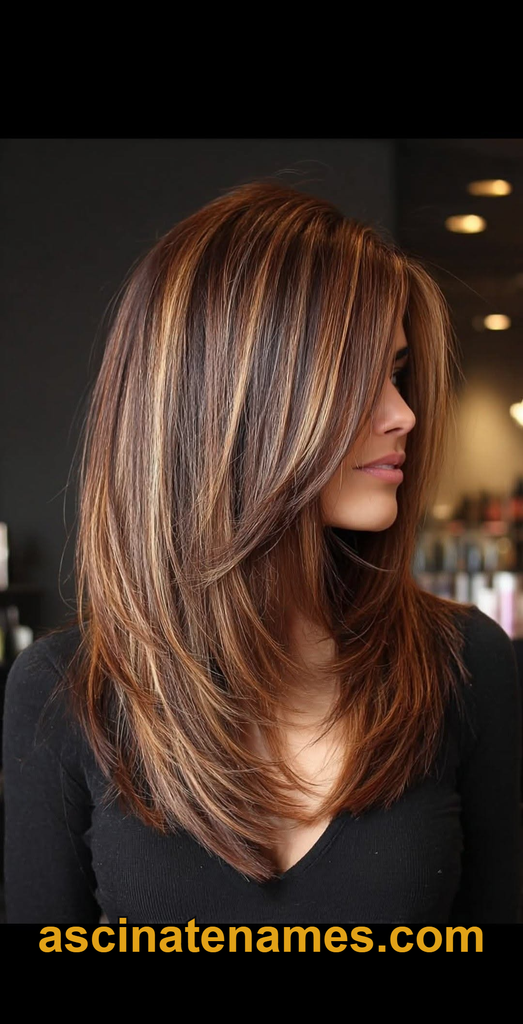
A good conversation with your stylist leads to a better result. Preparation helps you get what you want and avoid misunderstandings.
Tips:
- Bring photos of styles you like, and ones you do not
- Describe your daily routine and how much time you spend on hair
- Be specific about maintenance: how often you can visit the salon
- Share your color history, including box dye and treatments
- Ask questions about the cost, upkeep, and how the style will grow out
- Discuss your budget before starting
If you are trying something new, start with a smaller change, such as face-framing layers or a gloss. Ask your stylist to show you how to recreate the look at home. A good stylist will listen, offer honest advice, and adjust the plan to your hair’s needs. If you do not feel heard, it is okay to look for someone else.
19. Low-Maintenance Fall Hair Ideas
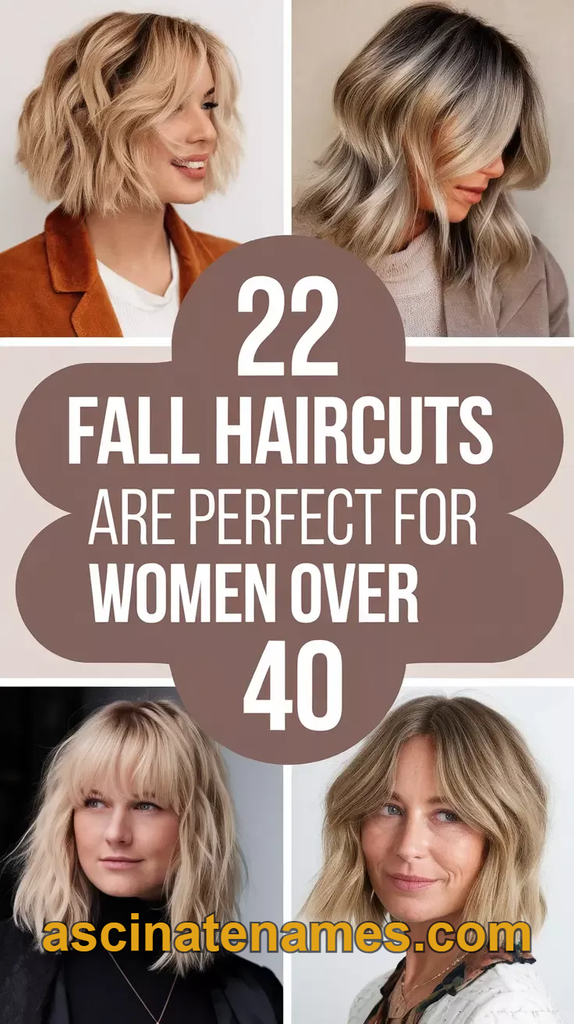
Not everyone wants a complicated routine. If you prefer easy hair, choose styles that work with your natural texture and require minimal effort.
Options include:
- A well-cut lob or bob that air-dries neatly
- Soft layers that fall into place
- Blended highlights that grow out gracefully
- A gloss treatment in place of frequent full color
- A pixie or crop that needs only a few minutes to style
- Natural texture styles, such as embracing your waves or curls
Investing in a great cut is the best shortcut to easy hair. Ask your stylist for a style that “falls into place,” and choose products that support your natural pattern. Low-maintenance does not mean low-style. A neat, healthy look with minimal effort suits busy lives and changing schedules.
20. Final Thoughts: Make Your Fall Hair Yours
The best fall hair over 40 is the style that makes you feel confident and comfortable. There is no age limit on long hair, short hair, color, gray, bangs, or bold changes. What matters is that your hair is healthy, well cut, and suited to your life.
Start by assessing your hair’s texture, density, and condition. Choose a cut that works with those qualities, and consider a seasonal color that adds warmth and shine. Build a simple care routine, protect your scalp and strands, and talk openly with your stylist. If you are unsure, try a small change first.
Fall is a season of transition, and your hair can reflect that in a way that feels fresh and true to you. Enjoy the process, and wear your hair with confidence.