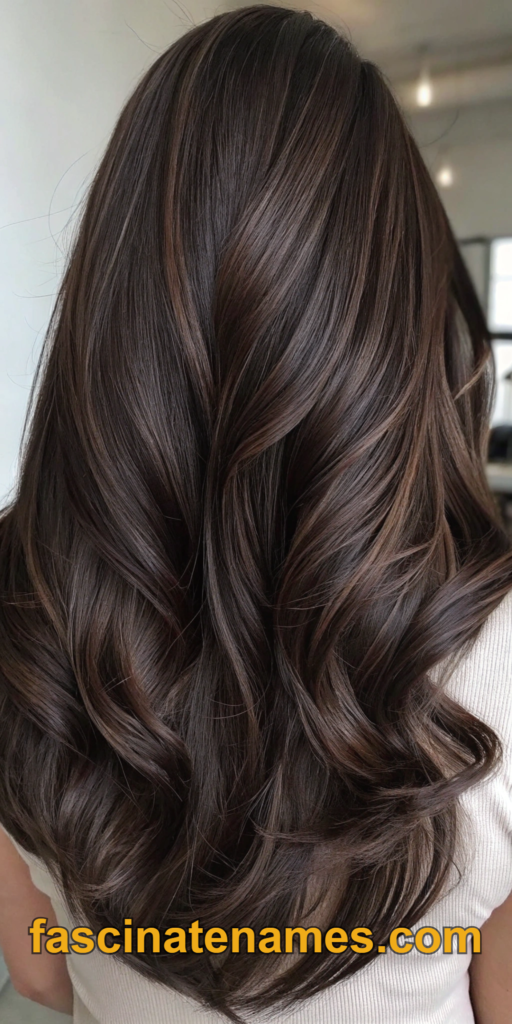
When the leaves change, many people want their hair to change with them. Dark shades feel especially right in autumn: deep, glossy, and a little dramatic, they look natural against cozy knits, wool coats, and moody evening light. The best dark fall hair is not flat or heavy. It has shine, subtle dimension, and a color that suits your skin tone and lifestyle. This guide covers 20 ideas, from the most popular shades and techniques to cuts, upkeep, and healthy hair habits, whether you are going a few shades deeper or making a bold change.
1. Why Dark Hair Colors Are Perfect for Fall
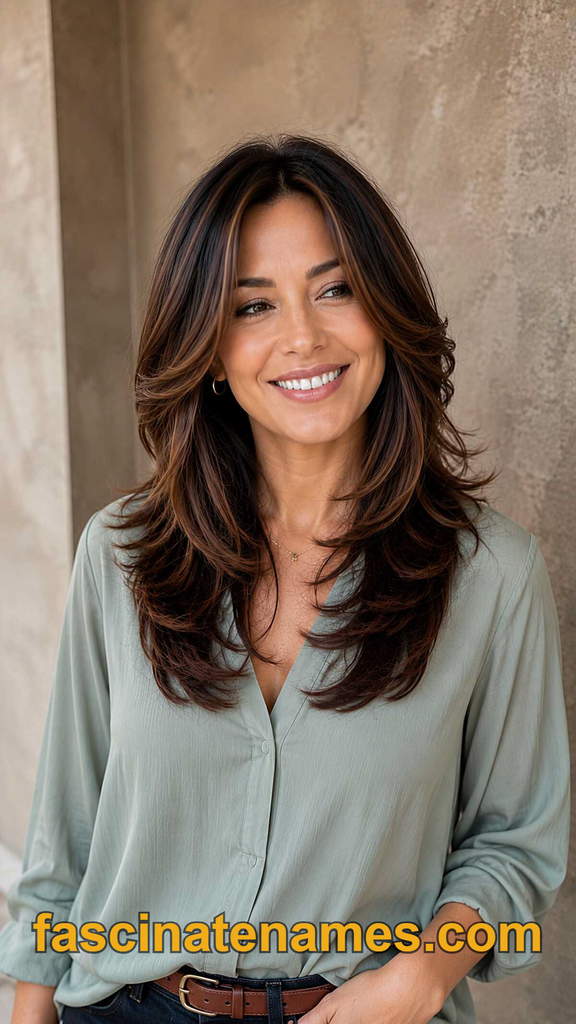
Fall fashion and scenery lean on deep, warm tones: chocolate, burgundy, forest green, and rust. Dark hair fits into that palette easily and makes autumn outfits look richer. It also contrasts beautifully with cream sweaters, camel coats, and jewel-toned scarves.
There is a practical side, too. After a summer of sun exposure, hair often looks faded, brassy, or uneven. Going darker can reset the tone and hide uneven lightening. Dark shades also tend to look glossy, since smooth, healthy hair reflects light well.
Finally, many people simply feel like a change in fall. Cooler weather encourages a shift toward cozier, moodier styling, and dark hair matches that mood without looking out of place at work, at school, or at a party.
2. Understanding Dark Hair Shades and Undertones
Dark hair is not one color. It ranges from soft, warm browns to inky black, and undertone matters as much as depth.
- Warm undertones: golden, copper, or red hints that look sunlit and rich
- Cool undertones: ashy, blue, or violet hints that look sleek and crisp
- Neutral undertones: balanced shades that avoid strong warmth or coolness
Your skin’s undertone helps determine which version looks best. Warm skin often glows in chocolate, chestnut, and mahogany, while cool skin may prefer espresso, ash brown, or blue-black. Neutral undertones can wear almost anything. If you are unsure, ask a colorist to drape swatches near your face in natural light. The right shade should make your skin look bright and healthy, not dull or tired.
3. Chocolate Brown: The Classic Fall Favorite
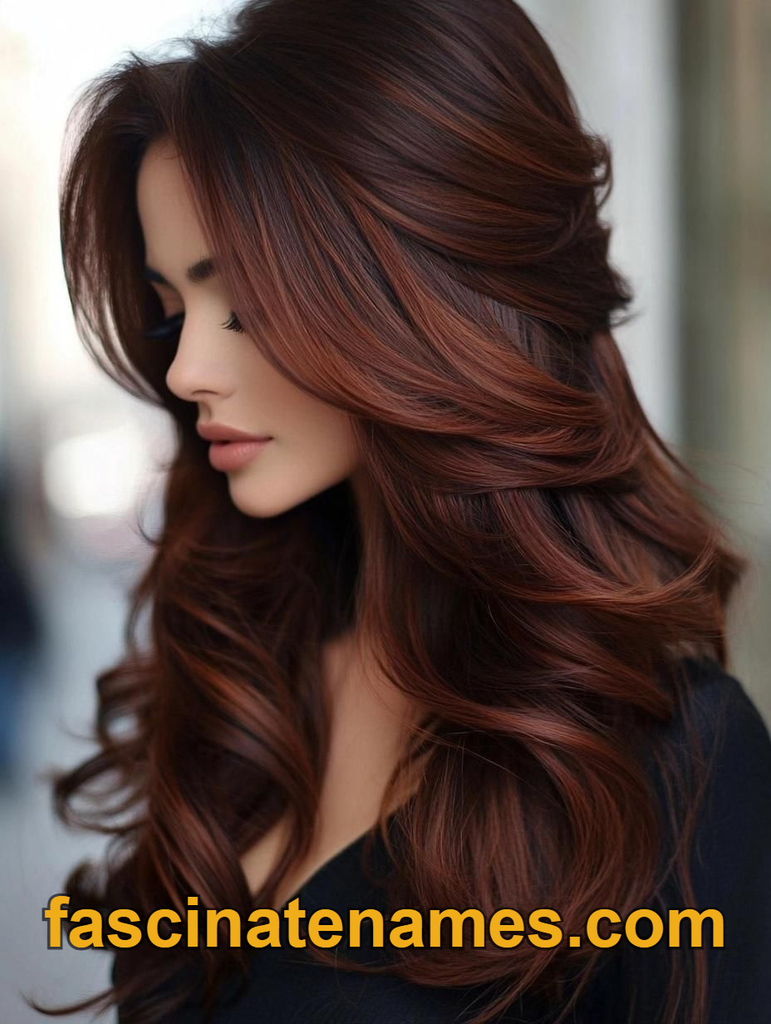
Chocolate brown is the safest and most flattering dark shade for many people. It is warm, deep, and glossy, with a soft richness that resembles melted chocolate rather than flat brown.
Why it works:
- It flatters many skin tones and eye colors
- It looks natural, which makes upkeep easier
- It gives excellent shine when well cared for
- It pairs beautifully with subtle warm highlights
- It grows out gracefully
Variations include milk chocolate, dark chocolate, and mocha, each with a different level of warmth and depth. If your natural hair is medium brown, chocolate is an easy step darker. If your hair is lighter, ask your colorist to build the shade gradually to keep it looking natural. A gloss treatment can boost shine and refresh the tone between visits.
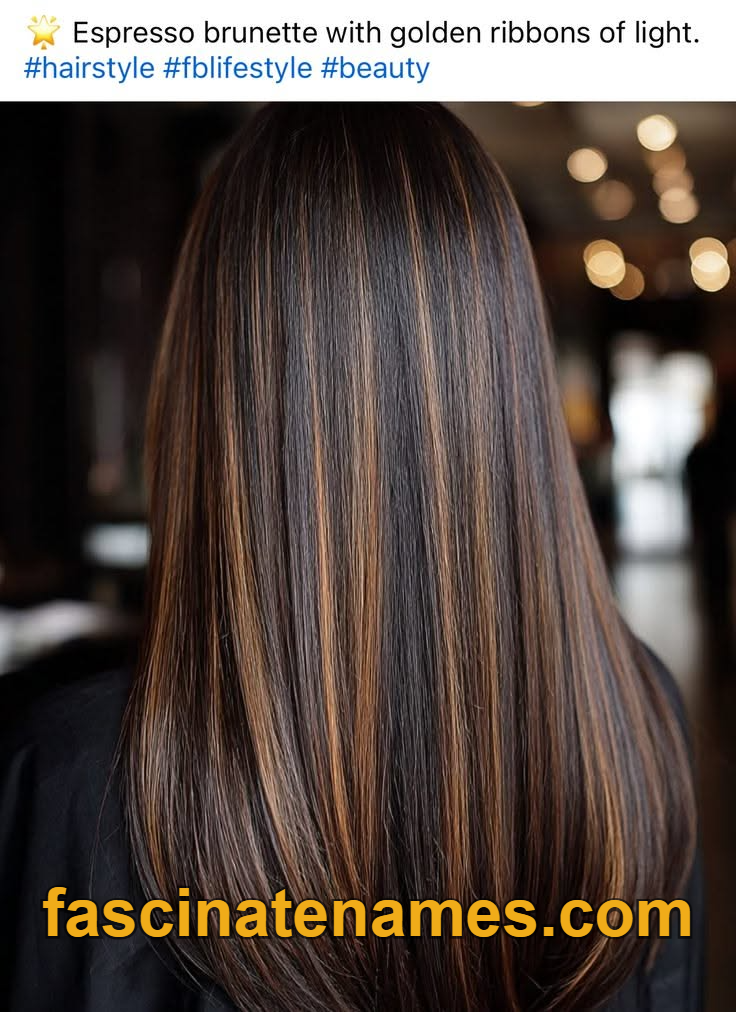
4. Espresso and Black-Brown Shades
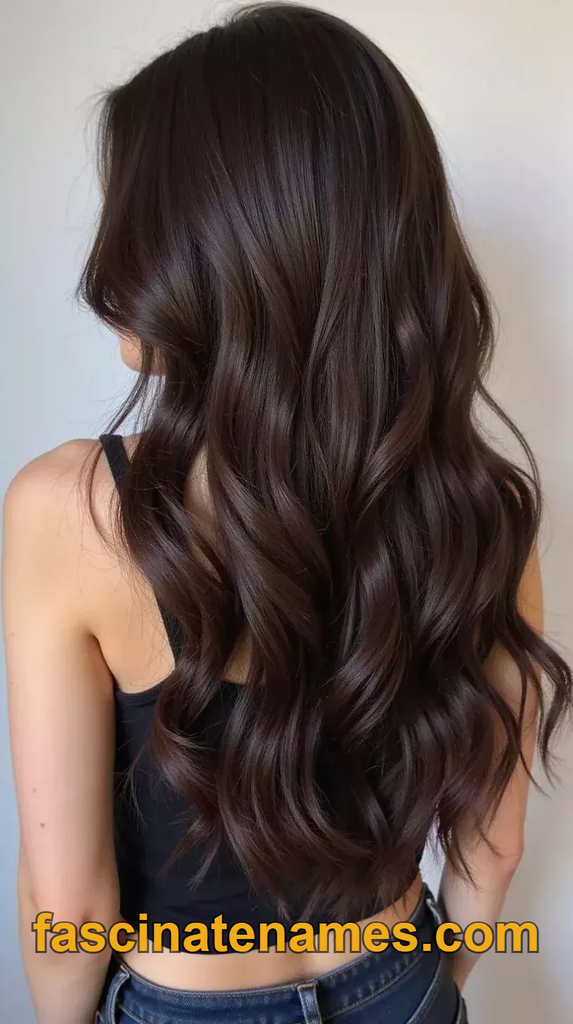
Espresso is a deep, almost-black brown that adds drama without the starkness of true black. It is a favorite for people who want a bold shade that still looks natural.
Espresso shades tend to:
- Look sleek and polished
- Make eyes and lip color stand out
- Reflect light with a dark, glass-like shine
- Suit both warm and cool skin tones with adjustments
- Work well with straight, wavy, and curly textures
Ask for a version with a hint of warmth if you want a softer effect, or a cooler blend for a sharper look. Because very dark shades show dryness and frizz more clearly, moisture and shine treatments matter. A soft cut, such as a long bob or layered lob, keeps the color from feeling heavy.
5. Soft Black and Jet Black
True black is striking, and in fall it looks especially dramatic. Soft black, which has a little dimension, is often more flattering than a flat, solid tone.
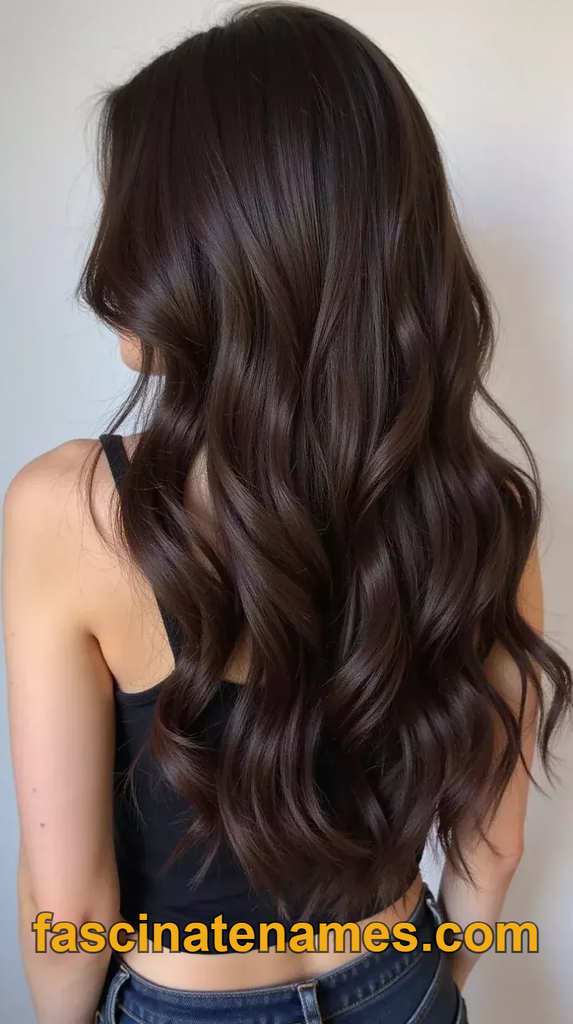
Tips for wearing black hair:
- Choose between warm, neutral, and blue-black depending on your skin tone
- Ask for a soft black if you want it to look natural
- Add a glossy finish for reflective shine
- Keep the roots consistent since regrowth is more visible against light skin
- Use color-safe products to prevent fading
Black can be difficult to reverse if you later want to go lighter, so consider your long-term plans. If you are dyeing your hair black at home, choose a formula with a conditioning base and follow the instructions carefully. A professional can help you get an even result, especially if your hair has been lightened before.
6. Black Cherry, Burgundy, and Wine Tones
Deep red-toned shades add color while staying dark enough to feel seasonal. They are among the most popular dark fall hair trends.
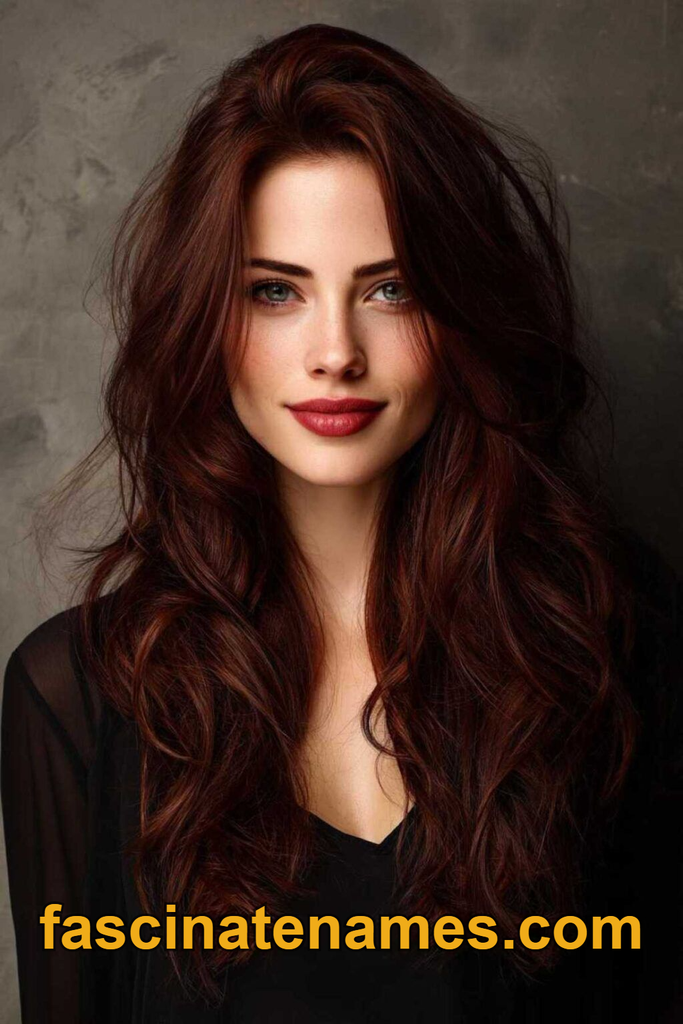
Popular options:
- Black cherry: black with a dark red-violet tint that shows in light
- Burgundy: a rich, wine-red shade with more visible color
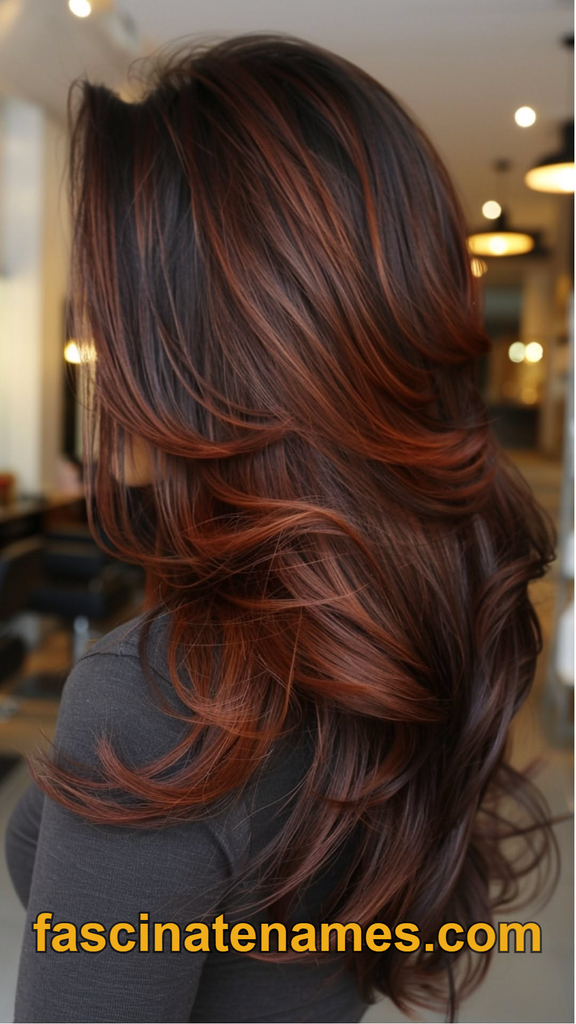
- Mahogany: a warm reddish-brown with deep, glossy tones
- Dark plum: a subtle purple-tinted brown or black
- Merlot: a moody red-violet shade for evening drama
These colors tend to look strongest in sunlight and softer indoors, which makes them wearable at work and impressive outdoors. Red pigments fade faster than others, so use color-depositing conditioners and wash with cool water. Ask your colorist whether a gloss or toner can refresh the shade between full appointments.
7. Dark Auburn and Deep Copper-Brown
If you want warmth without going fully red, dark auburn and copper-brown offer a subtle glow. They look autumnal without feeling loud.
Features:
- A brown base with red-orange undertones
- A glow that appears in natural light
- Flattering on warm, olive, and fair skin tones
- A soft contrast with green and hazel eyes
Copper tones can fade quickly, so ask your stylist about a protective gloss and take care with washing. Sulfate-free shampoo and lukewarm water help maintain color. If you have gray hair, deep auburn can blend it into a warm shade that looks intentional. Pair it with cream, olive, and forest-green clothing for a cohesive fall palette.
8. Adding Dimension: Lowlights, Highlights, and Balayage
A single flat shade can look heavy, especially on darker hair. Dimension adds movement, shine, and a more natural look, and it makes regrowth less noticeable.
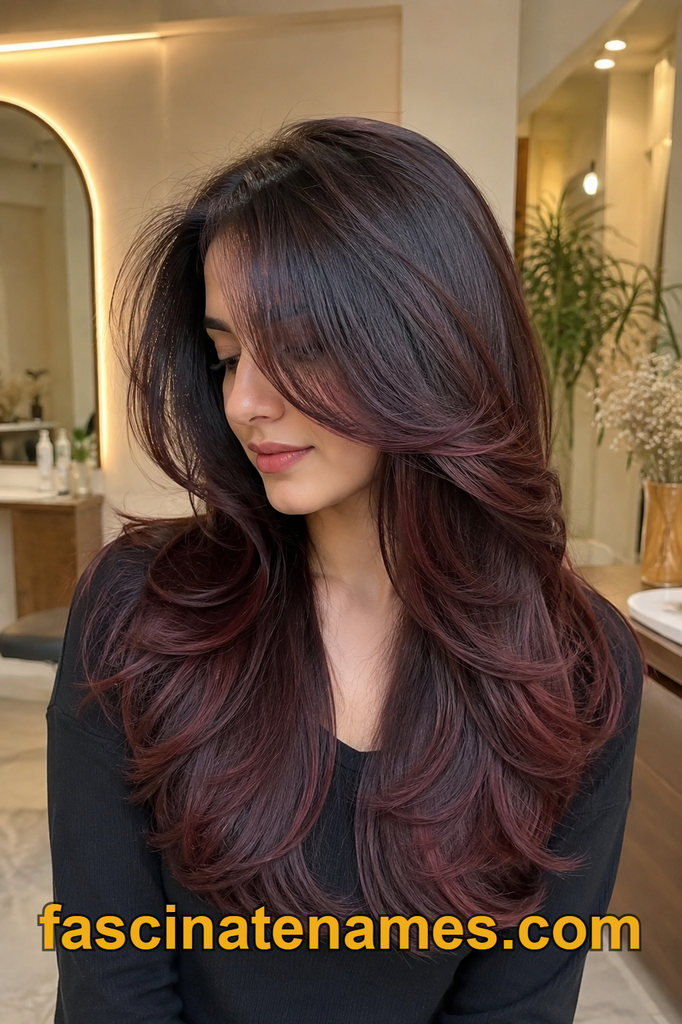
Ask your colorist about:
- Lowlights: slightly darker strands that add depth
- Soft caramel or honey highlights: subtle warmth against a dark base
- Balayage: hand-painted highlights blended from the mid-lengths to ends
- Babylights: very fine highlights that mimic natural variation
- Face-framing pieces: bright or warm strands around the face
- Root smudging: a soft blend that avoids harsh lines
Keep the contrast subtle for a rich, seasonal effect. Lighter pieces can be one or two shades lighter than your base, especially if you want a natural look. A colorist can also tailor highlight placement to your cut and face shape. Dimensional color often needs fewer salon visits than solid color.
9. Going Darker Safely: From Blonde or Light Brown
Going darker is usually easier than going lighter, but it still needs care. If your hair is very light or has been bleached, dye can look muddy or turn a different shade than expected.
Things to know:
- Fill before you dye: bleached hair may need a warm filler so the color does not turn green or ashy
- Test a strand before committing
- Choose a gradual approach if you want a natural look
- Expect maintenance: regrowth of lighter roots will be visible
- Consider a semi-permanent shade for a lower commitment
If your hair has been colored many times, a professional can assess its condition. Damaged hair may absorb color unevenly, so bond-building treatments can help. Ask about the long-term plan, including how to lighten again later if you want to. A good colorist will explain the steps and cost before starting.
10. Dark Fall Hair for Different Skin Tones
Skin tone affects how a shade appears, so a little planning helps. There are no strict rules, but these guidelines are useful.
- Fair skin: soft dark brown, chocolate, or deep auburn often looks polished, while jet black can create high contrast
- Light to medium warm skin: golden brown, chestnut, and copper-brown are flattering
- Olive skin: espresso, dark chocolate, and cool-toned brown often look rich
- Tan to deep skin: black, blue-black, espresso, and dark plum look striking
- Cool undertones: ash brown, plum, and blue-black are flattering
- Warm undertones: chocolate, mahogany, and warm espresso stand out
Hold swatches or photos near your face in daylight if you can. Also consider your eyebrows. Dark hair may make light brows look faint, so a brow tint or filler can keep your face balanced. Above all, choose a shade you feel confident in.
11. Dark Fall Hair on Long Hair
Long dark hair is dramatic and glossy when well maintained. The length shows off color transitions and shine, but it also shows damage, so keep it healthy.
Ideas:
- Long, layered cut with soft face-framing pieces
- Blunt ends for a sleek, thick look
- Soft waves or curls to add movement
- A deep, solid color with subtle dimension
- Ombré or melted color that lightens slightly toward the ends
Trim every 8 to 12 weeks to remove split ends, and use deep conditioning treatments weekly. Long hair benefits from a gloss to restore shine as dye fades. Protect the ends from heat and friction, and consider a silk pillowcase. If you plan to tie your hair up often, use soft hair ties to prevent breakage.
12. Dark Fall Hair on Medium and Short Cuts
Dark color looks stylish on shorter cuts too, and it often highlights the shape.
Great options include:
- The lob: a long bob that skims the collarbone
- Blunt bob: sleek and glossy in espresso or black
- Layered shag: dimensional and textured
- Curtain bangs with medium length: a soft, modern frame
- Pixie or crop: a dramatic contrast that emphasizes the face
On shorter lengths, color grows out faster, so subtle dimension and root smudging can reduce maintenance. A precision cut makes dark color look especially sharp. Dark hair also shows product buildup and dryness, so keep the style fresh with a proper routine. Tell your stylist how much time you want to spend on styling so the cut suits your lifestyle.
13. Curly, Wavy, and Textured Dark Hair
Dark shades can enhance texture by adding depth and definition. On curls and waves, color can make the pattern stand out.
Considerations:
- Choose moisturizing, curl-friendly products to prevent dryness
- Use gentle color formulas and protective treatments
- Ask for dimension to highlight curl shape
- Consider a curl-specialized stylist who understands how color and cut interact
- Refresh definition with curl cream or gel
Very dark colors on textured hair can look flat if there is no variation, so adding warm lowlights or a soft gloss can help. If your curls are color-treated, they may need extra moisture and deep conditioning. Air-drying or diffusing on a low setting reduces frizz. Healthy, hydrated curls in a rich color can look spectacular.
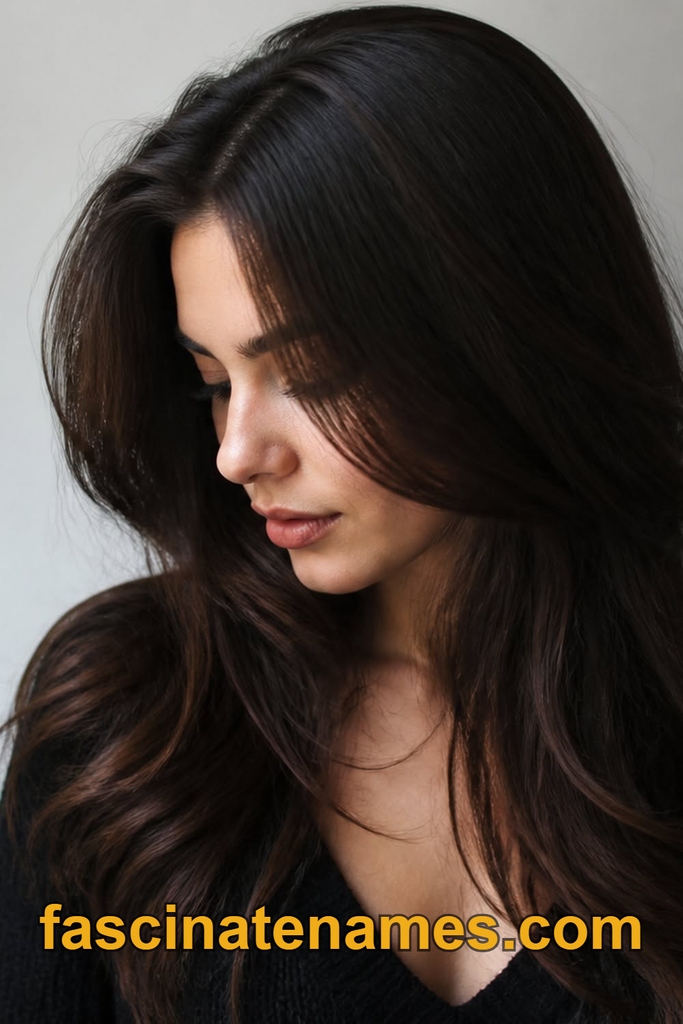
14. Covering Gray With Dark Fall Color
Dark shades can be effective at covering gray, though they may need frequent touch-ups because regrowth stands out. There are ways to make maintenance easier.
Options:
- Permanent color for full coverage
- Demi-permanent color for softer blending
- Root smudging or shadow roots to blend regrowth
- Lowlights and highlights to camouflage gray strands
- Root touch-up sprays or powders for quick fixes
If you have a lot of gray, consider a shade slightly lighter or warmer than your darkest option, since very dark shades create high contrast at the roots. Ask your colorist about a schedule that fits your budget. Some people choose to gradually grow out their gray, using dimensional color to soften the transition.
15. Glossy Finishes: Gloss, Glaze, and Shine Treatments
Shine is what makes dark hair look expensive. Even the most beautiful shade looks flat if the surface is rough or dry.
Ways to boost shine:
- Salon gloss or glaze to refresh tone and smooth the cuticle
- At-home gloss treatments designed for dark hair
- Shine serums applied to damp or dry ends
- Bond-building treatments to improve strength and reflectivity
- Cool water rinses to help close the cuticle
A gloss every six to eight weeks can revive fading color and add reflective shine. Avoid products that leave heavy buildup, since they can dull hair. Clarify occasionally with a gentle clarifying shampoo, followed by conditioner or a mask. Smooth, healthy hair reflects light better than color alone.
16. Styling Dark Hair for Fall
Dark hair looks good in almost any style, but a few ideas suit the season especially well.
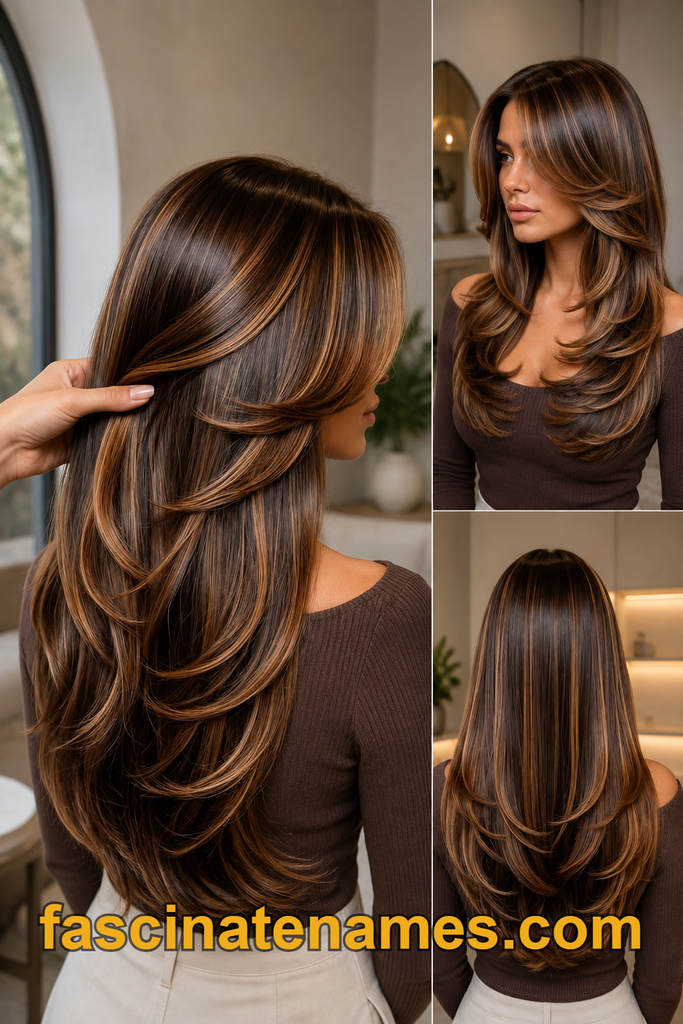
- Sleek blowout: smooth, polished, and glossy
- Soft waves: romantic and cozy
- Low ponytail or bun: neat and elegant
- Half-up styles with clips or ribbons: simple and pretty
- Braids: add texture and interest
- Slicked-back looks: modern and dramatic
Use heat protectant before styling, and avoid excessive heat that can dull color. Accessories in gold, tortoiseshell, or pearl look beautiful against dark hair. If you wear hats, choose smooth linings to reduce static and frizz. Dark hair can show dust, flakes, and lint, so keep brushes clean and use dry shampoo sparingly.
17. Maintaining Dark Color: Washing and Product Tips
Dark color lasts longer and looks better with the right routine. Fading, dullness, and unwanted tones are common, but easy to manage.
Best practices:
- Use sulfate-free, color-safe shampoo
- Wash less often if your scalp allows, since frequent washing can fade color
- Rinse with cool or lukewarm water
- Use a color-depositing conditioner to refresh tone between appointments
- Apply a deep conditioner weekly
- Protect hair from sun and wind with hats or scarves
- Avoid harsh chlorine or salt water without rinsing
If your dark hair looks brassy, ask your stylist about a blue or violet toner. If it looks flat, a gloss can help. Store products properly and choose formulas suited to your hair type. Consistency matters more than expensive products.
18. Scalp Care and Hair Health
Healthy scalp and hair make color look better. Dark hair can highlight flakes, oil, and dryness, so paying attention to scalp health helps.
Tips:
- Massage your scalp when shampooing to support circulation
- Exfoliate occasionally to remove buildup
- Avoid very hot water
- Eat a balanced diet with enough protein and nutrients
- Stay hydrated
- Manage stress and get enough rest
- Trim regularly to prevent split ends
If you notice persistent itching, flaking, redness, or significant hair loss, consider speaking with a doctor or dermatologist. Scalp problems can have many causes, and professional advice is worth having. Also patch test new hair dye before use, since allergic reactions can occur. If you have sensitive skin or previous reactions, talk to your colorist about alternatives.
19. Salon Tips: How to Ask for the Right Dark Shade
Good communication helps you get the color you want. Dark shades can look different depending on lighting and hair history, so be specific.
Suggestions:
- Bring photos of shades you like and dislike
- Use descriptive words, such as “glossy,” “soft,” “warm,” “cool,” or “natural”
- Share your hair history, including box dye, henna, and treatments
- Discuss maintenance: how often you can visit and what you can spend
- Ask about the process, including timing and cost
- Request a strand test if you have concerns
If you are trying something new, start with a semi-permanent option or a gloss to see how you like it. Take photos in natural light after the appointment to see how the color looks. A good colorist will listen and adapt the plan to your needs and budget.
20. Final Thoughts: Make Dark Fall Hair Your Own
The best dark fall hair is the shade that makes you feel confident and suits your skin tone, lifestyle, and hair health. Chocolate, espresso, black cherry, and mahogany each offer a different mood, and subtle dimension keeps the color from looking flat. Whether you are darkening slightly or making a dramatic change, a good cut, consistent care, and regular glossing will keep the color looking rich.
Start by choosing a shade that fits your undertone and daily routine. Talk to your colorist, ask questions, and plan for upkeep. Use gentle products, protect your hair from heat and sun, and give it plenty of moisture.
Fall is a season of depth and change, and dark hair captures that spirit beautifully. Choose a color you love, take care of it, and enjoy the season.