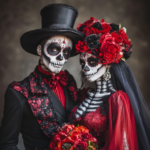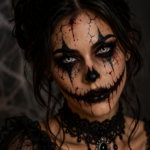
Halloween is one of the most anticipated dates on the college calendar. Midterms are looming, the weather is turning crisp, and students are ready for a break from routine. College Halloween customs blend costumes, creativity, friendship, and a little mischief, and they often last well beyond one night. Many campuses stretch the holiday into a full week of events, contests, and screenings. This guide covers 20 of the most popular traditions, ideas, and practical tips, whether you are a first-year student planning your first Halloween or an alum feeling nostalgic.
1. What Makes College Halloween Different

Halloween in college feels different from Halloween in childhood. Trick-or-treating gives way to costume parties, themed events, and late-night gatherings with friends. Students are living away from home, often for the first time, so they have more freedom to plan their own celebrations. Campuses are also compact, which means everything is within walking distance: parties, haunted houses, movie nights, and dining hall specials.
Another difference is the social side. Halloween gives students a natural excuse to meet new people, since a good costume is an instant conversation starter. It is also a rare occasion when dressing up is expected rather than embarrassing. That shared permission to be silly is a big reason college Halloween traditions feel so memorable.
2. A Brief History of Halloween on Campus

Halloween traces back to the ancient Celtic festival of Samhain, and over centuries it evolved into the holiday we know today. In the United States, it grew into a community celebration built around costumes, treats, and parties. College students have long been part of that story. Campus pranks and playful mischief around late October have a long history in American higher education, and student groups often used the holiday to stage dances, skits, and social gatherings.
Over time, universities began organizing official programming to keep celebrations safe and inclusive. Today, many schools offer alcohol-free events, themed dining, and student-led festivals alongside the informal parties. The result is a mix of old-fashioned fun and modern campus life that keeps Halloween fresh every year.
3. Costume Culture: The Heart of College Halloween
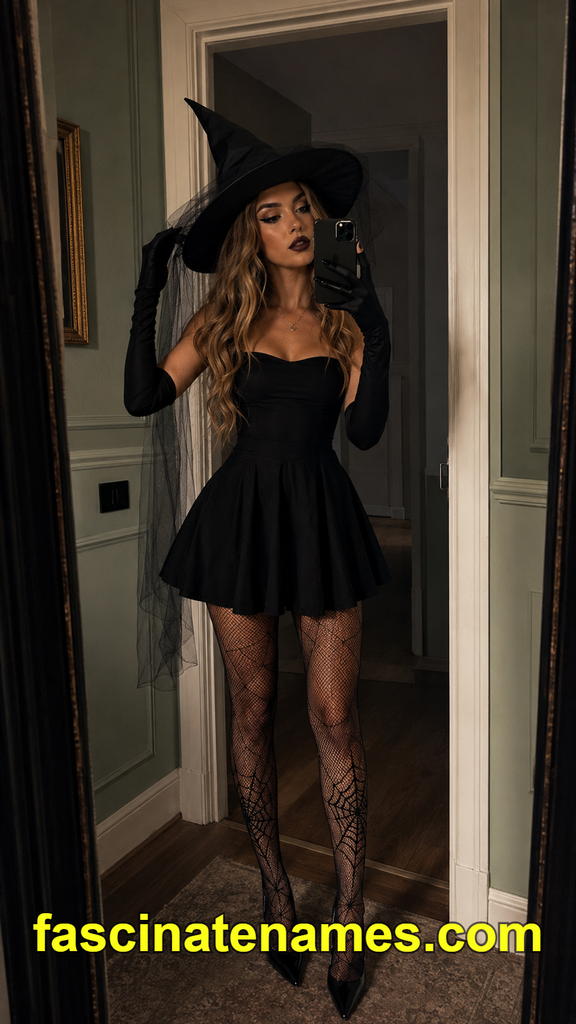
If Halloween has a centerpiece in college, it is the costume. Students put real thought, time, and sometimes serious money into their outfits. Some plan weeks ahead, sketching designs, ordering materials, and coordinating with friends. Others throw something together an hour before the party and still get compliments.
Costume culture on campus rewards creativity and humor. Clever puns, pop culture references, and viral internet moments tend to be the biggest hits. The best costumes are recognizable, comfortable, and easy to move in, since you may be walking across campus, dancing, or climbing stairs in a crowded house. Above all, a good costume shows personality. When students dress as something that reflects their sense of humor or their favorite fandom, it makes the night more fun for everyone.
4. Popular Halloween Costume Ideas for College Students
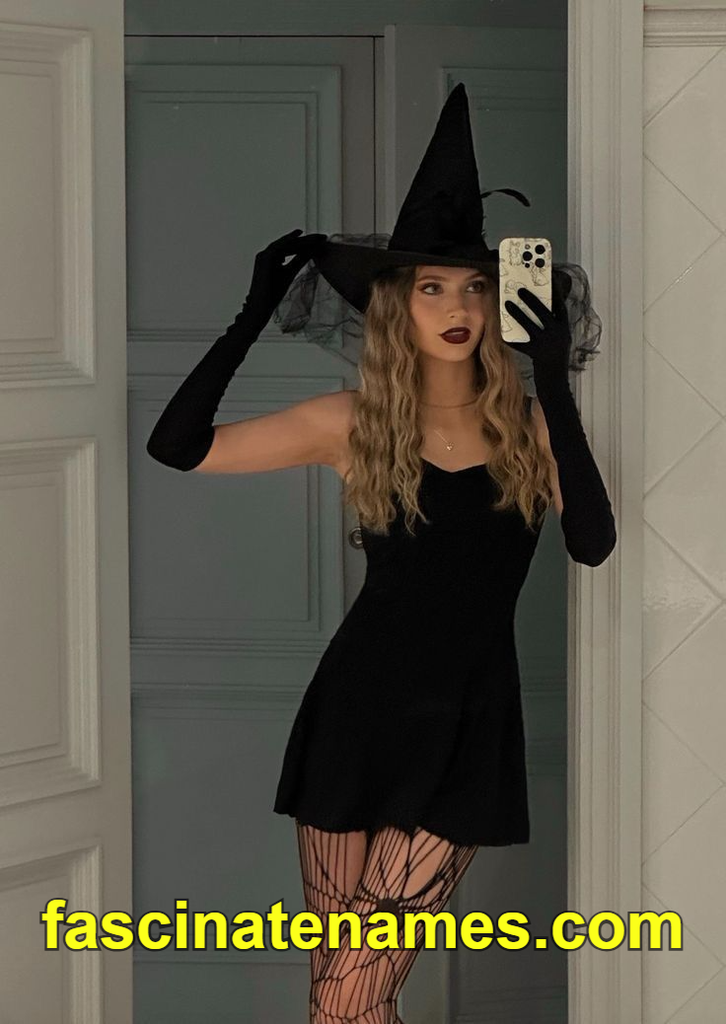
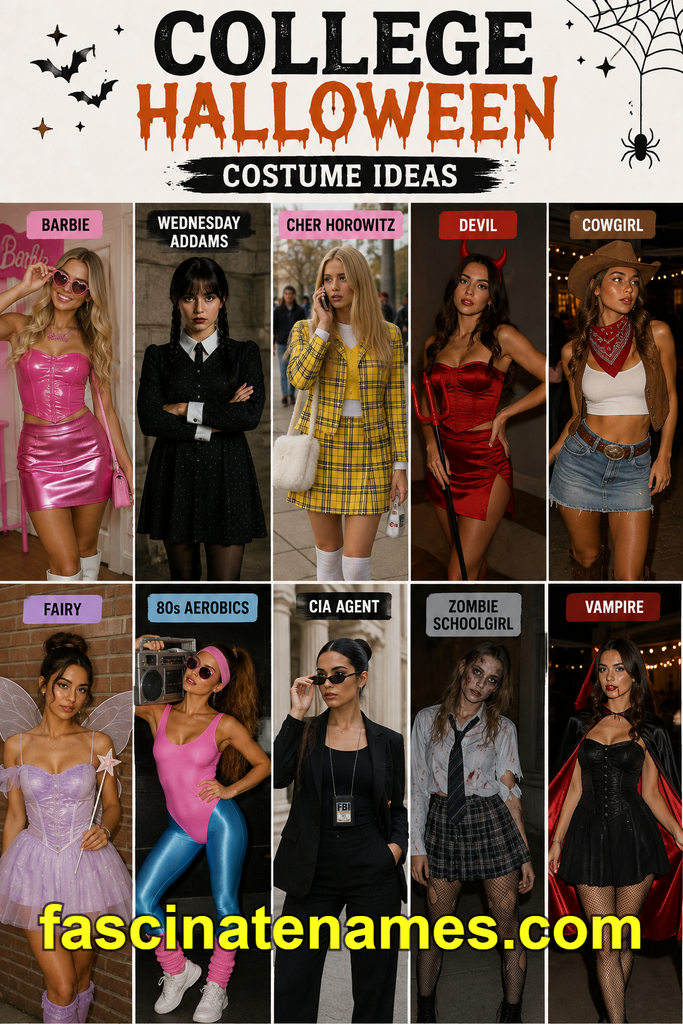
Trends change yearly, but some categories are reliable favorites. Characters from hit movies, streaming series, and video games always appear in large numbers. Classic costumes like witches, vampires, ghosts, and zombies never go out of style because they are easy and instantly recognizable. Meme-inspired outfits are another campus staple, and the funnier or more topical, the better.
Here are a few reliable directions to consider:
- Pop culture characters from current shows, films, or games
- Pun costumes that reward a second look
- Decade throwbacks such as the 80s, 90s, or 2000s
- Professions and roles, like a lab scientist, chef, or referee
- Classic monsters with creative makeup or props
Choose something you can wear comfortably for hours. A costume that looks amazing but restricts your movement can ruin the fun.
5. Group and Couples Costumes

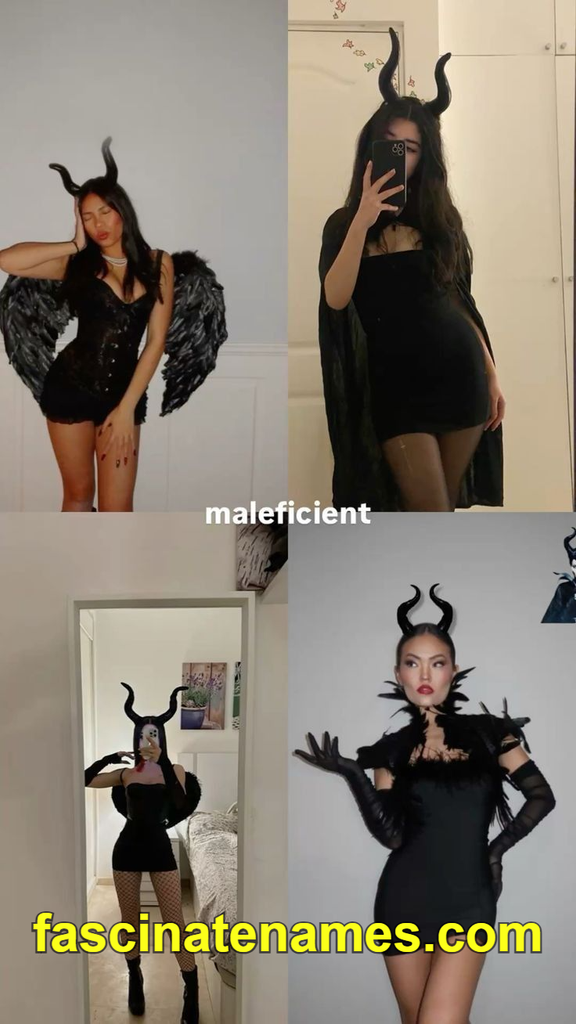
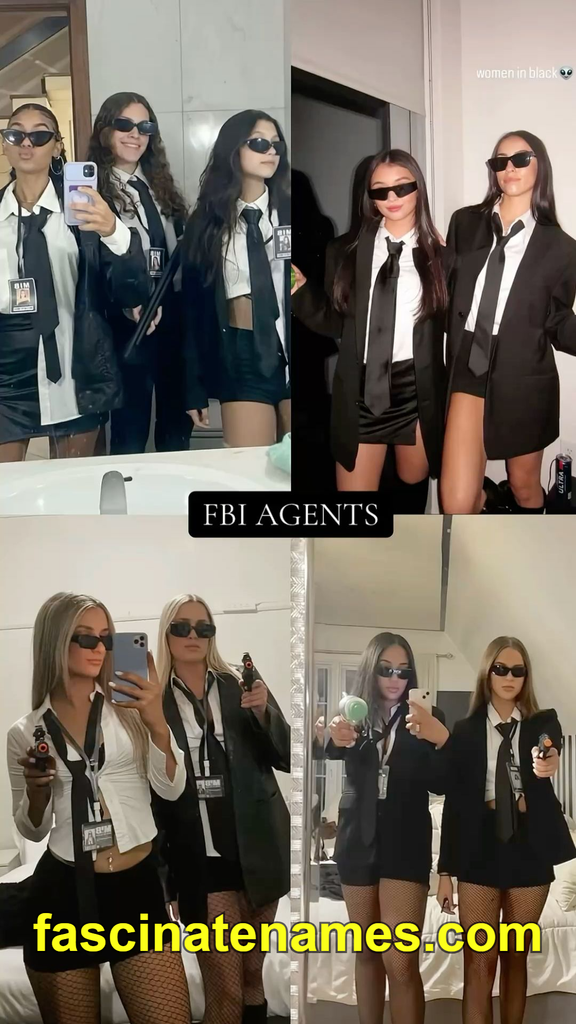
Group costumes are a beloved custom, especially among roommates, teams, and friend circles. A coordinated theme, such as characters from the same series or a set of related items, makes a big visual impact and photographs well. Groups can split up the work, with each person handling one piece, which also keeps individual costs down.
Couples and duo costumes are equally popular. Famous pairs from movies, food combinations, and clever puns are common choices. If you go this route, agree on the plan early so you are not scrambling for materials at the last minute. Also make sure everyone is comfortable with the concept. A great group costume works because every member enjoys wearing it and can keep it up for the whole evening.
6. DIY and Budget Costumes
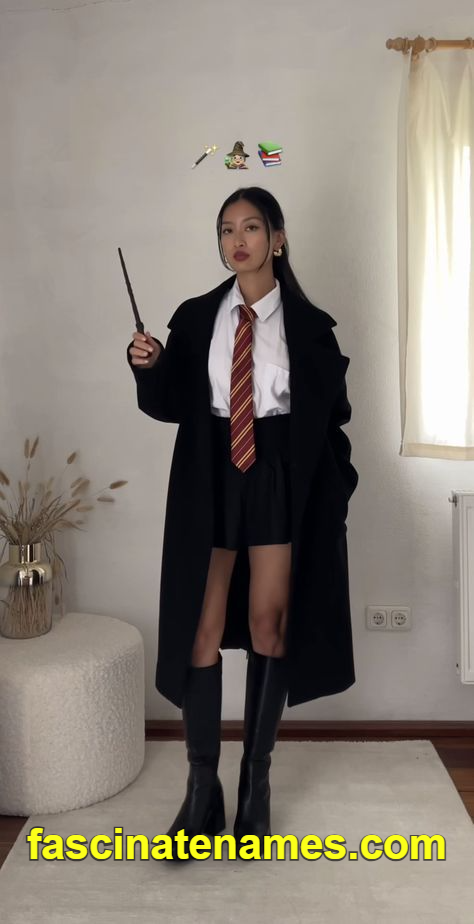
College students are famously budget-conscious, so do-it-yourself costumes are practically a tradition of their own. Thrift stores, secondhand shops, and your own closet are treasure troves. A few well-chosen items can become a convincing character with the right accessories and a bit of imagination.
Some easy DIY approaches include:
- Repurposing old clothes with fabric paint or markers
- Using cardboard for props, armor, or signs
- Borrowing accessories from friends and roommates
- Combining everyday items into a clever concept costume
- Using face paint instead of full masks
Homemade costumes often win contests because they show effort and originality. They also tend to be more comfortable and easier to reuse. Start early enough to gather materials, but do not stress about perfection. A costume made with humor and heart usually beats an expensive one worn without enthusiasm.
7. Halloween Parties: Dorms, Houses, and Clubs
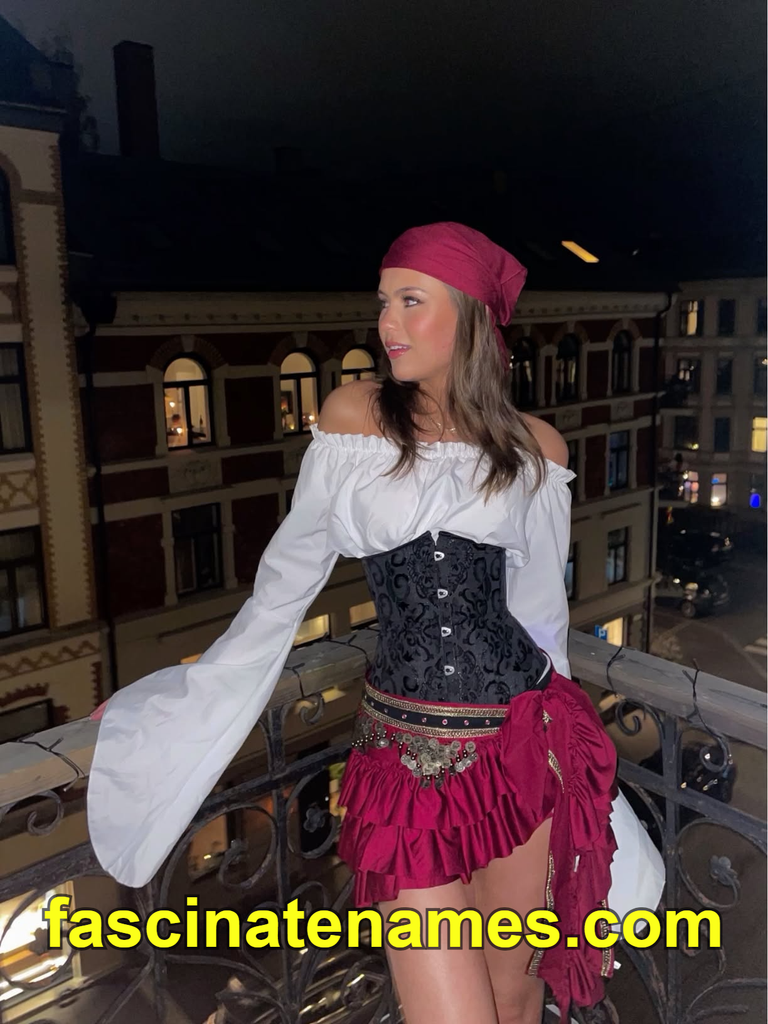
Parties are the social engine of college Halloween. They range from small dorm-floor gatherings with snacks and music to larger house parties and organized events hosted by clubs. Many students enjoy smaller get-togethers where everyone can talk, play games, and show off their costumes without a crushing crowd.
If you are hosting, think about theme, music, lighting, and food. A few string lights, some fake cobwebs, and a good playlist go a long way. Always check your school’s residence hall policies, since guest limits, decoration rules, and quiet hours vary. Guests should also follow those rules and respect neighbors. The best parties are welcoming, well planned, and considerate, so people leave with good memories instead of complaints or cleanup duty.
8. Greek Life Halloween Traditions
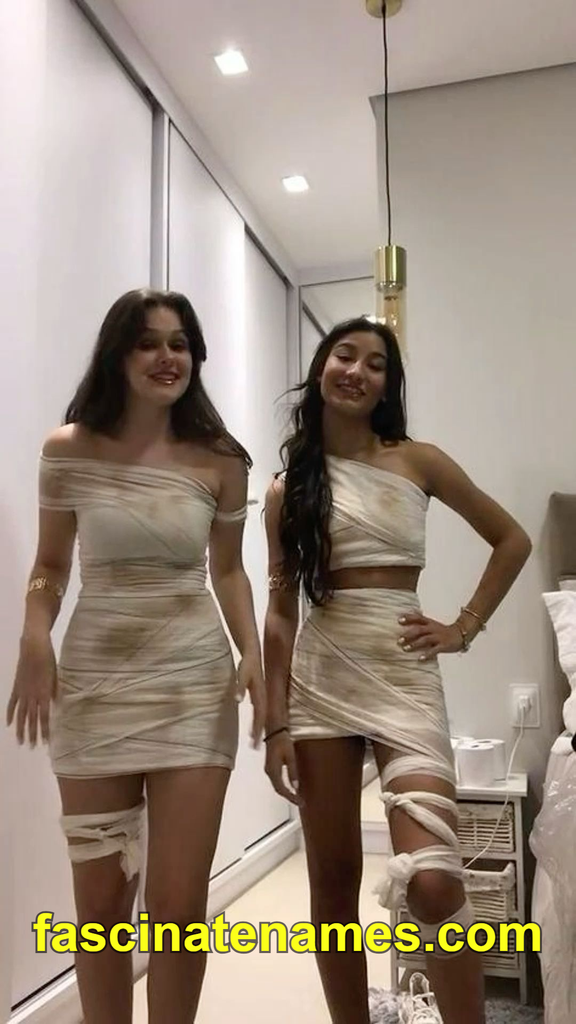
Fraternities and sororities often have their own Halloween customs. These can include themed mixers, costume exchanges, haunted house fundraisers, and philanthropy events. Some chapters turn the holiday into a service project, collecting donations or hosting family-friendly activities for the local community.
Greek organizations also tend to hold annual events that alumni remember fondly. A themed date night or a chapter costume contest can become a tradition passed down through generations of members. Because national organizations and universities have safety and risk-management expectations, well-run chapters plan carefully and prioritize member wellbeing. If you are involved in Greek life, Halloween is a great chance to build bonds, raise money for a cause, and create traditions your chapter will keep for years.
9. Campus-Wide Events and Block Parties
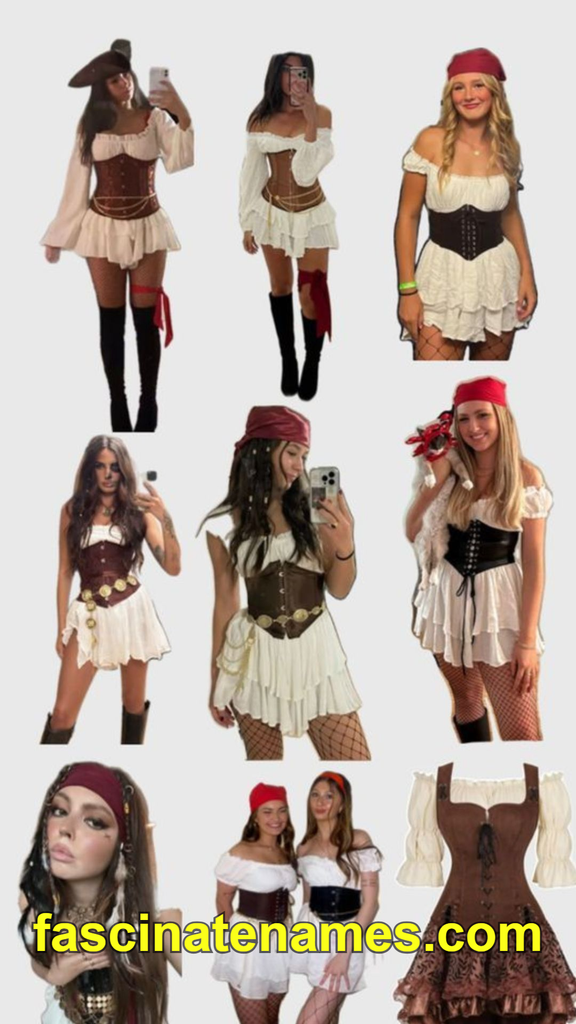
Some schools and college towns are known for large Halloween gatherings. Madison, Wisconsin’s Freakfest and the Halloween block party in Athens, Ohio have drawn big crowds over the years, though local officials have adjusted and regulated these events as safety concerns grew. Many other college towns host street festivals, parades, and concerts around the holiday.
These large events can be exciting, but they require awareness. Check the current rules, ticketing, and security plans before attending, since details change from year to year. Go with friends, agree on a meeting spot, keep your phone charged, and know how to get home safely. Big events are fun when you prepare for crowds, weather, and transportation in advance.
10. Haunted Campus Legends and Ghost Stories
Almost every old campus has a ghost story. Historic dormitories, libraries, theaters, and chapels often come with tales of restless spirits, unexplained noises, and late-night sightings. Around Halloween, these legends resurface in orientation tours, student newspapers, and dorm-room storytelling sessions.
Many schools now offer guided ghost tours led by student groups, history departments, or local historical societies. These tours often blend real campus history with spooky folklore, so you may learn something genuine while getting a few chills. Whether you believe in ghosts or not, sharing a legend at night with friends is a classic Halloween custom. If you want to start your own tradition, consider organizing a storytelling night where everyone shares a scary tale connected to your campus.
11. Pumpkin Carving and Fall Crafts
Pumpkin carving is a relaxed, creative tradition that suits students who prefer cozy evenings to loud parties. Residence halls, student unions, and campus clubs often host carving events with pumpkins, tools, and supplies provided. It is a great way to meet neighbors and unwind between classes.
Beyond carving, you might find:
- Pumpkin painting for a mess-free alternative
- Fall wreath and decoration workshops
- Apple cider tastings and caramel apple stations
- Candle and lantern crafts (using battery-operated lights where open flames are banned)
Always check residence hall rules about candles and open flames before decorating your room. Battery-powered LED candles create the same glow safely. Photos of your finished pumpkins also make excellent social media posts and keepsakes.
12. Horror Movie Marathons and Spooky Screenings
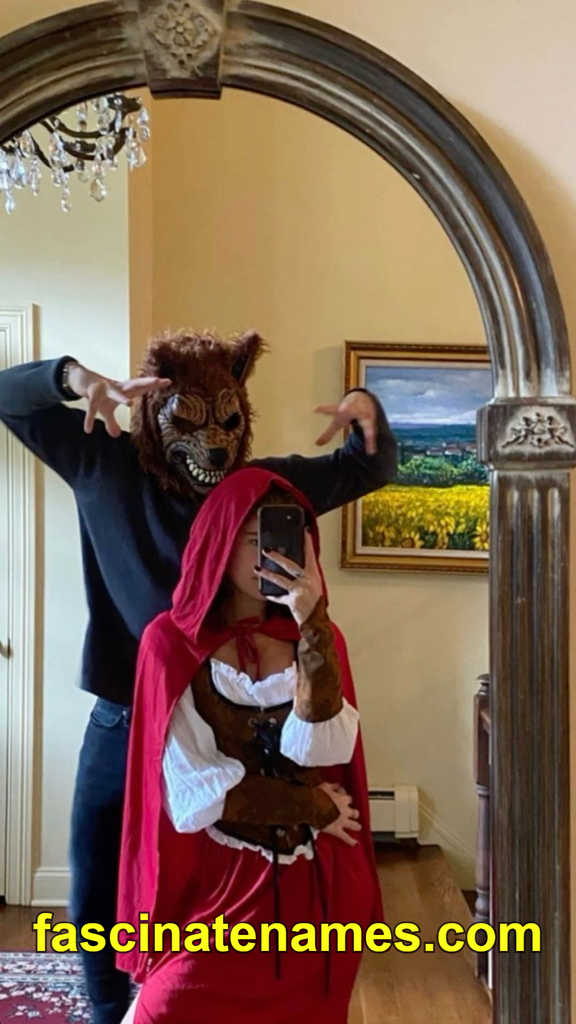
Few Halloween customs are as universal as a horror movie night. Student groups, film clubs, and residence halls frequently organize screenings, from classic monster films to modern thrillers. Some campuses hold outdoor movie nights with blankets, hot chocolate, and popcorn.
A movie marathon in your dorm lounge or apartment is easy to organize. Pick a theme, such as slasher classics, supernatural stories, or campy comedies, and ask everyone to bring snacks. If some friends dislike scary films, mix in lighter Halloween favorites so everyone can join. Keep the atmosphere fun with dim lighting and plenty of blankets. Movie nights are inclusive, affordable, and a nice alternative to louder celebrations, which is why they remain a staple of college Halloween traditions.
13. Dorm Decorating Contests and RA-Led Events
Resident assistants often lead Halloween programming to build community on their floors. Decorating contests are especially popular, with residents transforming doors, hallways, and common rooms into haunted mansions, cartoon scenes, or spooky laboratories. Winners might earn pizza, gift cards, or bragging rights.
These events encourage teamwork and creativity. They also help new students feel connected, since collaborating on a project is a natural way to make friends. If your floor is planning a contest, agree on a budget and check the fire safety guidelines. Most residence halls prohibit blocking exits, hanging materials from sprinklers, or using open flames. With a few smart choices, you can create an impressive display while keeping everyone safe.
14. Trick-or-Treating With a Campus Twist
Trick-or-treating is not just for kids. Many colleges host trick-or-treat events where student organizations, departments, and residence halls hand out candy from decorated tables or doors. Some schools invite children from the surrounding community, creating a fun bridge between campus and neighborhood.
Students may also go trick-or-treating in a more casual way, visiting friends’ rooms or floors in costume. Faculty and staff sometimes join in by decorating their offices and offering treats. It is a charming custom that keeps the childhood spirit of Halloween alive. If you are participating, bring a bag, wear your costume, and be respectful of people who choose not to take part. A friendly attitude makes the tradition enjoyable for everyone.
15. Halloween Food and Treats
Food is a big part of the celebration. Dining halls often serve themed menus with spooky desserts, orange and black dishes, and seasonal favorites like pumpkin, apple, and cinnamon. Students also bake at home or in shared kitchens, making cupcakes, cookies, and other treats decorated with ghosts, spiders, and pumpkins.
For an easy party spread, consider:
- Popcorn balls or caramel popcorn
- Pumpkin bread or muffins
- Candy bowls with a variety of options
- Warm apple cider or hot chocolate
- Fruit or veggie trays styled as spooky creations
If you are hosting, ask guests about allergies and dietary needs, and label snacks accordingly. Offering vegetarian, gluten-free, and nut-free choices ensures no one is left out. Simple, thoughtful food can make any Halloween gathering more welcoming.
16. Costume Contests and Talent Nights

Costume contests are a staple of campus programming. Student unions, clubs, and residence halls often award prizes for categories like funniest, scariest, most creative, and best group costume. Some contests are judged by faculty, staff, or student leaders, and others are decided by audience applause or social media votes.
Talent shows, lip-sync battles, and open-mic nights with a Halloween theme are also popular. These events give students a stage to show off their skills in a lighthearted setting. Participating can build confidence and introduce you to new communities on campus. Even if you do not win, the applause and the photos are their own reward. Keep an eye on campus bulletin boards, email newsletters, and student organization pages to find upcoming contests.
17. Community Service and Family-Friendly Events

Many student organizations use Halloween to give back. Service-focused customs include collecting candy for local shelters, hosting trunk-or-treat events for neighborhood children, volunteering at community fall festivals, and organizing costume drives so families can get outfits at low or no cost.
These activities add meaning to the holiday and strengthen ties between the university and its surrounding town. They also give students leadership and event-planning experience that looks great on a résumé. If you want to get involved, contact your campus service office or a volunteer club and ask about Halloween projects. Even a small contribution, like donating candy or helping at a booth, can brighten the day for children and families who might otherwise miss out on the fun.
18. Halloween Weekend Travel: Haunted Attractions and Road Trips
Some students celebrate by leaving campus for the weekend. Haunted houses, corn mazes, pumpkin patches, and theme park Halloween events are common road-trip destinations. A group outing with friends can be a nice change of pace, especially if you want a break from the campus party scene.
Plan ahead by checking ticket prices, opening hours, and age or safety requirements. Weekends near Halloween can be crowded, so book early if you can. Share costs for gas and tickets, choose a designated driver, and let someone know your plans. Trips like these often become the stories you retell for years, from getting lost in a corn maze to screaming through a haunted house.
19. Safety, Consent, and Respectful Costume Etiquette
Fun should never come at the expense of safety or respect. Start with costume etiquette: avoid outfits that mock cultures, religions, disabilities, or tragedies. If a costume could reasonably offend someone, choose another. Universities often issue guidance on this topic, and thoughtful choices keep the celebration inclusive.
Safety basics matter too:
- Stay with friends and look out for each other
- Keep your phone charged and share your location with someone you trust
- Watch your drink and never accept drinks from strangers
- Understand that consent is required for any contact, including photos
- Plan safe transportation before the night begins
- If you choose to drink, follow the law and your school’s policies
Know how to reach campus security or emergency services. Looking after each other is the most important Halloween tradition of all.
20. Final Thoughts: Making Your College Halloween Memorable
College Halloween customs are all about connection, creativity, and shared fun. Whether you spend the night at a big party, carve pumpkins with your floor, tell ghost stories in the library, or volunteer at a community event, you are part of a tradition that generations of students have enjoyed.
If you want to create your own custom, start small. Plan an annual movie marathon, a costume swap, or a spooky potluck with your friends. Repeat it each year and it will become a highlight of your college experience. Remember to be kind, stay safe, and include others. With a little planning and a lot of imagination, your Halloween can be one of the most memorable nights of the semester.