
There’s nothing quite like a classic lemon cake to brighten up your day. Soft light and perfectly moist this cake is bursting with natural citrus flavor that’s both refreshing and comforting.
Whether you’re baking for a special occasion or just craving a sweet treat this lemon cake is simple to make and guaranteed to impress. Its delicate texture and zesty aroma make every bite a little moment of joy.
Why This Classic Lemon Cake is Special

What truly sets this lemon cake apart is the attention to detail in its preparation, which results in a cake that is tender, moist, and bursting with citrus aroma. Many recipes fail to strike the perfect balance, resulting in either a dense cake or an overpowering sourness. This recipe uses a careful combination of fresh lemon juice, zest, and just the right amount of sugar to enhance the lemon flavor without overwhelming the palate.
The cake’s soft and airy texture comes from the technique of properly creaming butter and sugar, and gently folding the dry ingredients to maintain airiness. Each bite delivers a delightful burst of lemony flavor that lingers pleasantly. Whether enjoyed plain or with a light glaze or frosting, this classic lemon cake has an irresistible charm that makes it a favorite for all occasions.
Essential Ingredients for a Lemon Cake
The key to baking a perfect lemon cake lies in selecting high-quality ingredients. All-purpose flour forms the foundation, providing structure while keeping the texture soft. Baking powder ensures the cake rises evenly, while a pinch of salt enhances the flavor. Unsalted butter is preferred for its creamy richness, and granulated sugar balances the tartness of lemon. Eggs not only bind the ingredients but also contribute to the cake’s tender crumb.
Fresh lemons, both juice and zest, are essential for achieving a bright, natural flavor that store-bought lemon extracts can’t replicate. Milk adds moisture, and vanilla extract rounds out the flavors. Each ingredient plays a crucial role, and using fresh, high-quality products ensures your cake achieves the soft texture, lightness, and full citrus flavor that make this classic lemon cake so irresistible.
Choosing the Right Lemons
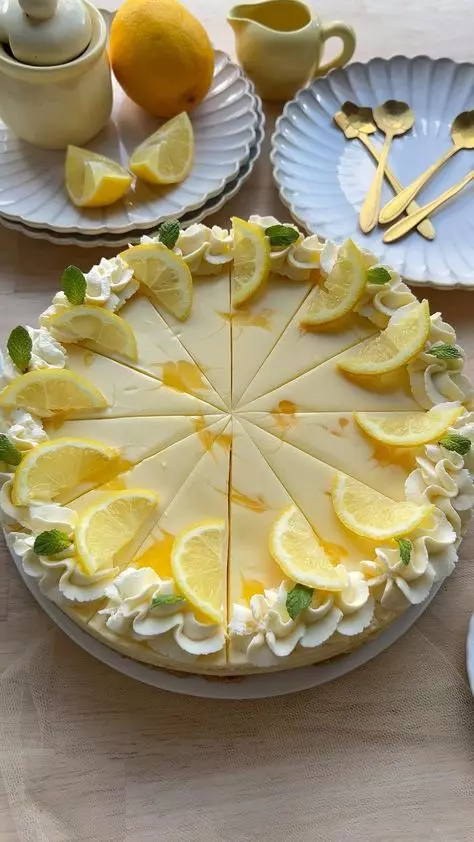

The flavor of your lemon cake depends largely on the lemons you choose. Fresh, juicy lemons with a bright yellow color are ideal for baking. Organic lemons are preferred because their zest is free from chemicals, allowing you to incorporate pure citrus flavor safely. Meyer lemons are slightly sweeter and impart a subtle, aromatic fragrance to your cake, whereas standard lemons provide a tangier, more traditional flavor.
Always zest the lemons before juicing them to make the process easier. The zest contains essential oils that add a concentrated burst of lemon aroma, while the juice provides tartness and moisture. Picking the right lemons is a small step that makes a big difference in the final flavor of your cake, transforming it from ordinary to extraordinary.
Step-by-Step Lemon Cake Preparation
Preparing the cake batter correctly is crucial for achieving a soft, moist, and flavorful cake. Begin by preheating your oven to 350°F (175°C) and greasing your cake pan thoroughly. Cream the butter and sugar together until light and fluffy; this process incorporates air into the batter, contributing to a tender crumb. Add the eggs one at a time, beating well after each addition to maintain the batter’s smooth consistency.
Mix in lemon zest and vanilla extract for natural aroma. Sift together flour, baking powder, and salt, then gradually fold the dry ingredients into the wet mixture, alternating with milk to ensure a uniform texture. Avoid overmixing, which can make the cake dense. Pour the batter into your prepared pan and bake for 30–35 minutes, checking doneness with a toothpick. The result is a soft, golden cake infused with citrus aroma that will delight your senses from the first bite.
Tips for a Moist Lemon Cake

Moisture is the hallmark of a great lemon cake. One trick is to avoid overmixing the batter, which can compromise the cake’s light texture. Using room-temperature ingredients ensures even mixing and a smoother batter. For an extra touch of moistness, prepare a simple lemon syrup by combining sugar and fresh lemon juice, then brush it onto the cake while it’s still warm. This step not only adds moisture but also intensifies the lemon flavor.
Baking at the correct temperature and monitoring your cake ensures it bakes evenly without drying out. Following these tips consistently will result in a soft, light lemon cake that stays moist for days and provides a melt-in-your-mouth experience with every slice.
Lemon Glaze and Frosting Options
A lemon cake can be enjoyed in many ways, from simple to decadent. A light lemon glaze made with powdered sugar and lemon juice adds a tangy sweetness that enhances the natural citrus flavor. For a richer option, cream cheese frosting provides a creamy, tangy layer that pairs beautifully with the cake’s soft texture. You can also experiment with whipped cream and fresh berries for an elegant presentation.
Each option complements the cake in a different way, allowing you to tailor it to the occasion or your personal preference. The versatility of lemon cake makes it suitable for casual tea times or festive celebrations, offering endless possibilities to enjoy its vibrant flavor.
Baking Tools You’ll Need

Having the right tools is essential for baking success. You’ll need mixing bowls, an electric mixer or hand whisk, a sifter for flour, a cake pan, a cooling rack and a zester for lemons. These basic tools help ensure the cake is mixed baked and cooled correctly preserving its delicate texture.
Using the correct pan size affects the baking time and final consistency while a cooling rack allows the cake to cool evenly without becoming soggy. Investing a little time in preparing your tools and workspace will save effort later and guarantee a lemon cake that is soft, light, and perfectly baked.
How to Store Lemon Cake
Proper storage is important to maintain the cake’s freshness. Store your cake in an airtight container at room temperature for up to three days. For longer storage wrap it tightly in plastic wrap and freeze for up to a month. When ready to serve bring the cake to room temperature to preserve its soft texture.
Avoid refrigerating unless necessary as this can dry out the cake. With proper storage, your lemon cake will remain moist and flavorful allowing you to enjoy it over several days without compromising quality.
Serving Suggestions

Lemon cake is incredibly versatile in how it can be served. Enjoy it plain with a cup of tea or coffee for a simple snack, or enhance it with fresh berries and whipped cream for a delightful dessert. You can also serve slices as part of a brunch spread alongside fruit and pastries, to create a visually appealing and tasty table.
The light airy texture and citrus flavor make it ideal for pairing with a variety of accompaniments. By experimenting with presentation and garnishes, you can turn this simple cake into an elegant centerpiece that impresses guests and family alike.
Healthier Variations of Lemon Cake
If you want a lighter version of the classic lemon cake, consider a few simple substitutions. Replace part of the flour with almond flour for a slightly nutty flavor. Substitute honey or maple syrup for sugar to reduce refined sweetness. Using coconut oil instead of butter creates a lighter, dairy-free option.
You can also experiment with whole wheat flour or yogurt to boost nutrition without compromising flavor. These tweaks allow you to enjoy a slightly healthier lemon cake that still retains the soft light texture and citrusy freshness that makes it so irresistible.
Enjoying Your Classic Lemon Cake

Baking a classic lemon cake is more than just preparing a dessert; it’s about creating a delightful experience that fills your home with warmth and the invigorating aroma of fresh lemons. This cake’s soft light texture and vibrant citrus flavor make it a favorite for any occasion whether you enjoy it plain glazed or frosted.
Following this recipe ensures a perfect balance of sweetness and tang, with a moist crumb that melts in your mouth. Classic lemon cake is simple yet elegant comforting yet refreshinga dessert that always impresses and brings joy to anyone who tastes it.
Frequently Asked Questions
How do I make my lemon cake extra moist?
To keep your lemon cake moist, avoid overmixing the batter and use room-temperature ingredients. You can also brush the baked cake with a simple lemon syrup made from sugar and fresh lemon juice. Baking at the correct temperature and storing the cake properly also ensures it stays soft.
Can I use lemon extract instead of fresh lemons?
While lemon extract can work in a pinch, fresh lemon juice and zest give a more natural, vibrant flavor and aroma that extracts cannot fully replicate. For the best taste, always use fresh lemons.
How long does lemon cake last?
At room temperature, stored in an airtight container, lemon cake lasts about 2–3 days. For longer storage, wrap it tightly in plastic wrap and freeze for up to one month. Bring it to room temperature before serving for the best texture.
Can I make this lemon cake dairy-free?
Yes! You can replace butter with coconut oil or dairy-free margarine, and use almond milk or oat milk instead of regular milk. The cake will still be soft and flavorful.
What frosting pairs best with lemon cake?
Lemon cake pairs well with light lemon glaze, cream cheese frosting, or whipped cream. For a simple, elegant option, drizzle a powdered sugar and lemon juice glaze over the cooled cake.
Conclusion
Baking a classic lemon cake is a delightful experience that combines simplicity with the refreshing taste of citrus. This recipe ensures a cake that is soft light and bursting with lemon flavor perfect for any occasion be it a casual afternoon tea a festive celebration or a thoughtful homemade gift.
By using fresh lemons following the steps carefully and applying a few tips for extra moisture you can create a cake that melts in your mouth and leaves a lasting impression.

Alexander Smith is an accomplished blogger with years of experience in crafting engaging and insightful content. Known for his expertise and passion for storytelling, Alexander brings a unique perspective to Fascinate Names, captivating readers with his thoughtful analysis and fresh ideas. His extensive background in digital media and writing makes him a valuable voice in the blogging community.