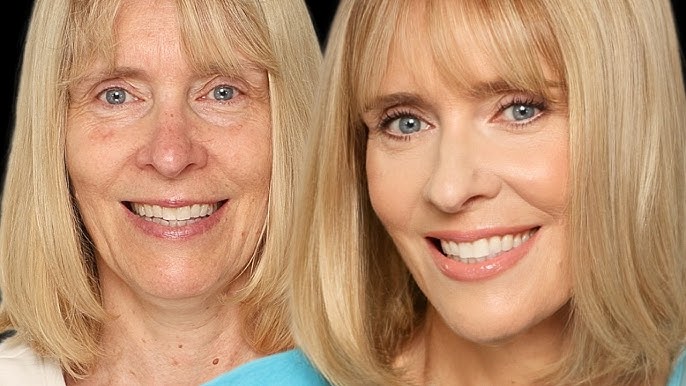
After the age of 50, skin starts to change. It can become drier, thinner, and show more fine lines and spots. Because of this, makeup techniques that worked in your 20s or 30s may not work the same way now.
But that does not mean makeup won’t look good anymore. With the right steps and light products, you can create a soft, fresh, and youthful look at any age.
This simple guide will help you understand how to do makeup over 50 steps step by step, using easy methods and practical tips.
Start with Good Skin Preparation
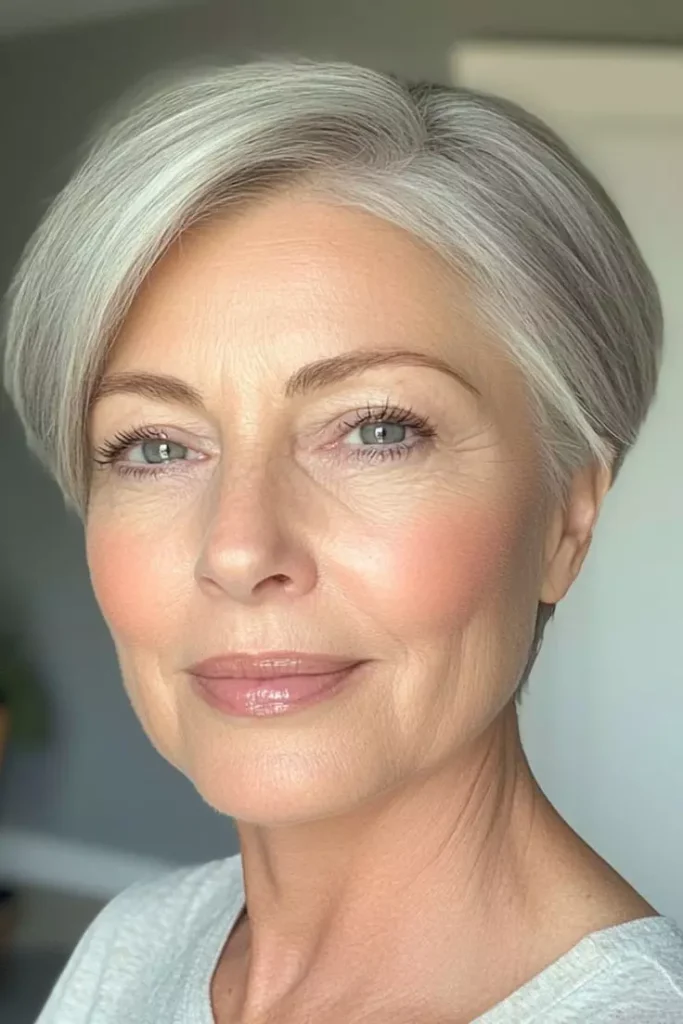
Makeup looks best when your skin is well prepared. Mature skin needs more moisture, so never skip skin prep.
Start by washing your face with a gentle cleanser. Avoid harsh soaps because they can make skin more dry. After cleansing, use a hydrating toner or face mist if you like. Then apply a good moisturizer that suits your skin type. This helps smooth the surface and makes makeup sit better.
Always use eye cream around the eyes because this area gets dry quickly. After applying skincare, wait about 5–10 minutes before starting makeup. This gives time for products to absorb.
When skin is hydrated, makeup looks smoother and more natural.
Use Primer Only Where Needed
Primer can help, but you don’t need a lot of it. Too much primer can make makeup slide.
If your skin is dry, use a hydrating primer. If you have visible pores, use a pore-filling primer only on those areas, usually around the nose and center of the face. If you have fine lines, use a smoothing primer lightly.
Apply a thin layer only where needed, not all over the face.
Choose a Light Foundation
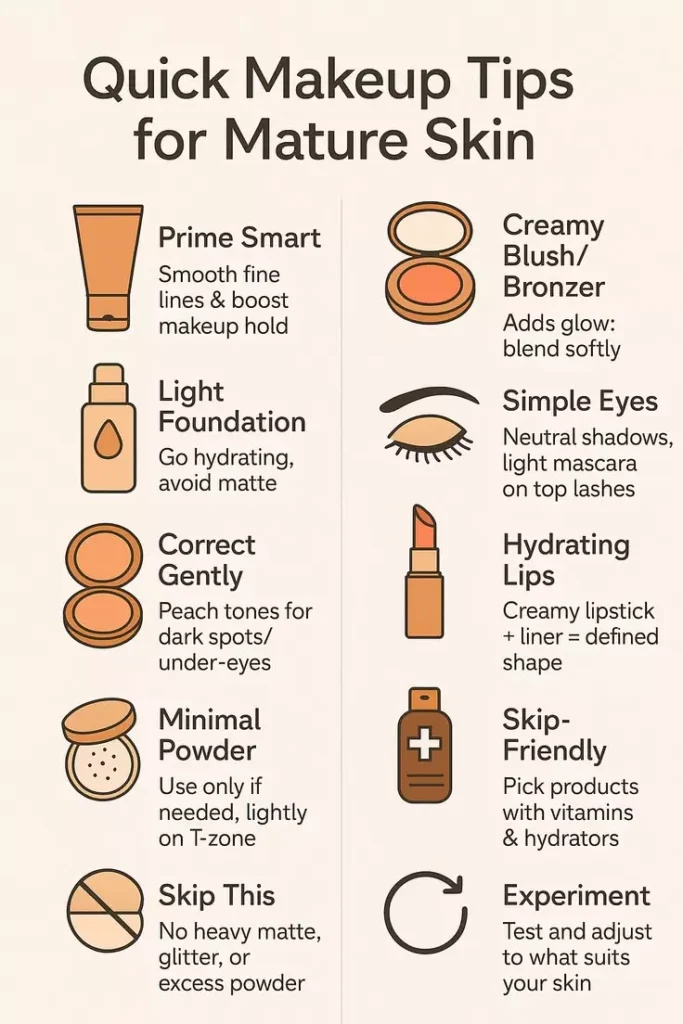
Heavy foundation often looks thick and settles into lines. Lighter coverage looks more youthful.
Choose a lightweight liquid foundation, serum foundation, or tinted moisturizer. Try to pick a formula with a dewy or satin finish instead of a very matte one.
Apply a small amount first. You can always add more if needed. Dot it on the center of your face and blend outward. A damp sponge works very well for blending and gives a natural finish.
Do not try to fully cover everything with foundation. The goal is to even the skin tone, not to create a heavy layer.
Use Concealer in a Small Amount


Under the eyes, skin becomes thinner with age. Too much concealer can crease and look heavy.
Pick a creamy, hydrating concealer. Apply only where you see darkness, not across the whole under-eye area. Use small dots and gently tap to blend with your finger or a damp sponge.
If your under-eye area is very dry, put a tiny bit of moisturizer first, then concealer.
Less product gives better results here.
Use Very Little Powder
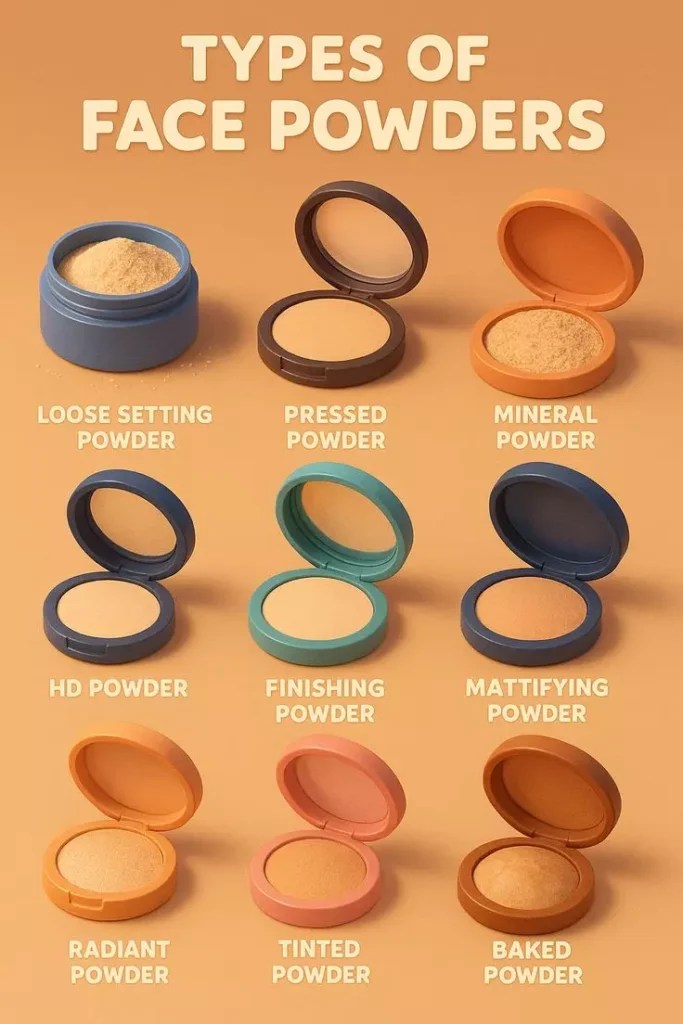
Powder can make mature skin look dry if you use too much.
Use a finely milled loose powder. Apply only on areas that get oily, usually the forehead, nose, and chin. Use a soft brush and a small amount.
Try not to put a lot of powder under your eyes. Keeping some natural shine makes skin look healthy.
Cream Blush Looks More Natural
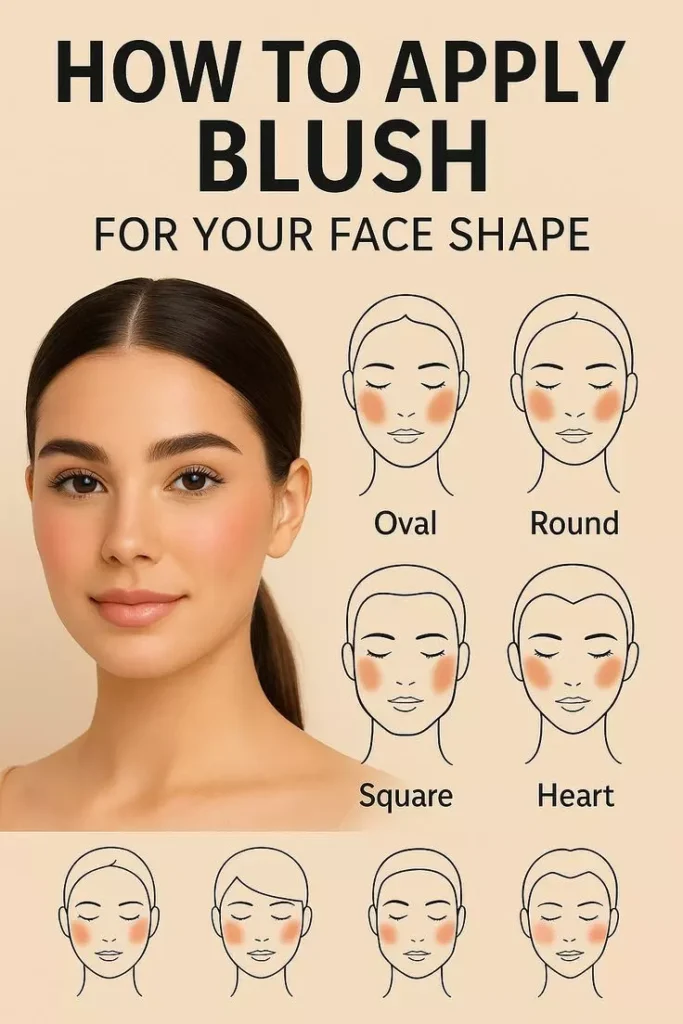
Cream products are usually better for mature skin than powder products. They blend easily and give a natural glow.
Cream blush is a great choice. It melts into the skin and does not look dry. Choose soft shades like peach, rose, or pink.
Apply blush slightly above the apples of your cheeks and blend upward. This gives a lifted look to the face.
Use Bronzer Softly
Bronzer adds warmth and life to the face, but it should be soft and well blended.
Use a light hand and apply bronzer around the hairline, upper cheeks, and lightly along the jawline. Avoid strong contour lines. Harsh contour can make the face look hard.
The idea is to add warmth, not sharp shadows.
Fill Brows Naturally
Eyebrows often become thinner over time. Filling them softly can make your face look more defined and youthful.
Use a brow pencil or powder. Choose a shade a little lighter than your hair color. Draw small, hair-like strokes instead of one solid line.
Keep the front part of the brows soft and not too dark. Natural brows always look better than heavy ones.
Keep Eye Makeup Soft
Very dark or heavy eye makeup can make eyes look smaller and show more wrinkles. Soft colors work best.
Choose neutral shades like soft brown, taupe, peach, or light rose. Use a matte shade in the crease and a lighter shade on the lid. If you like shimmer, use only a small amount in the center of the eyelid.
Blend well so there are no harsh edges.
Use Thin Eyeliner
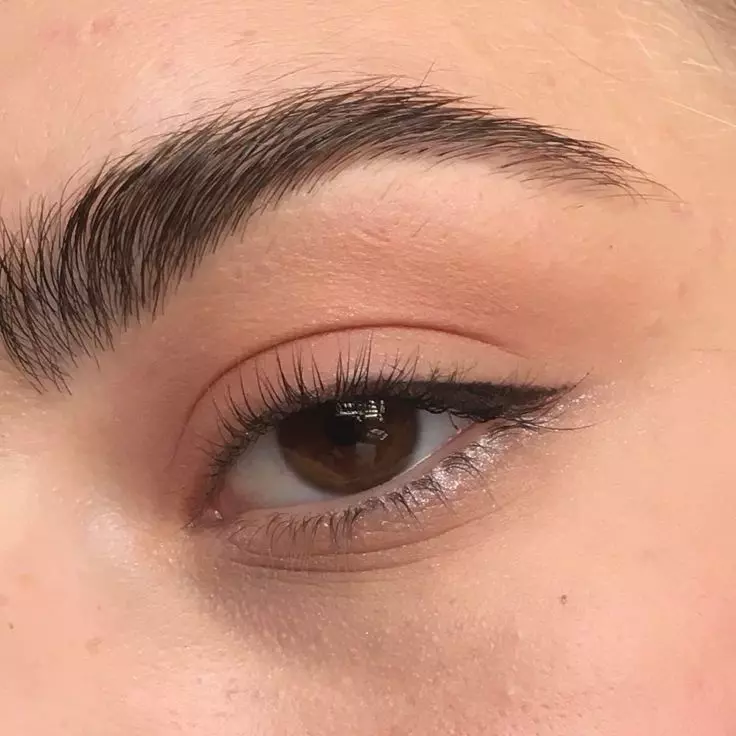
Thick eyeliner can make the eyes look heavy.
Use a thin line close to the upper lashes. Brown liner often looks softer and more flattering than black. You can add a small upward flick at the outer corner to give a lifted effect.
Avoid heavy liner on the lower lash line. If you want definition there, use a soft shadow and blend it gently.
Mascara Makes a Big Difference
Mascara helps eyes look more open and awake.
Curl your lashes first if you can. Then apply a lengthening or lifting mascara. One or two coats are enough. Avoid clumpy mascara.
You can lightly touch the lower lashes, but don’t overload them.
Take Care of Lips
Lips can become dry and lose shape with age, so preparation is important.
Use lip balm regularly. Gently exfoliate once a week to remove dry skin. Choose creamy or satin lipsticks instead of very matte ones.
Good shades for mature lips include rose, peach, warm pink, and soft berry. These shades make the face look fresh.
Use Lip Liner for Better Shape

Lip liner helps define lips and stop lipstick from spreading into lines.
Choose a liner close to your lipstick shade. Follow your natural lip line. If lips are thin in some areas, you can slightly overline just those parts.
Blend the liner with the lipstick so it looks soft, not harsh.
Add a Little Highlighter
Highlighter can add glow, but use it lightly.
Choose a cream or liquid highlighter instead of glittery powder. Apply a small amount on the top of the cheekbones and a tiny bit in the inner corners of the eyes.
Too much shine can show texture, so keep it subtle.
Use Setting Spray
A hydrating setting spray helps remove any powdery look and makes makeup look more like skin.
Spray lightly over the face at the end. It helps all the layers blend together and can make makeup last longer.
Common Mistakes to Avoid
Many makeup problems over 50 come from using too much product or very heavy formulas.
Avoid heavy matte foundation, too much powder, very dark brows, thick eyeliner, strong contour, very dry matte lipstick, and too much shimmer. Also avoid putting on a lot of product at once. Thin layers always look better.
Simple Daily Makeup Routine

For everyday wear, keep it quick and light:
Moisturizer
Light foundation or tinted moisturizer
Small amount of concealer
Cream blush
Fill brows
Mascara
Hydrating lipstick or balm
This takes only a few minutes and gives a fresh, neat look.
FAQs
Q1. Which foundation is best over 50?
Lightweight liquid or tinted moisturizer with a dewy finish.
Q2. Should I use powder after 50?
Yes, but very little. Only on oily areas.
Q3. Do I need a primer?
Only where needed — dry areas or visible pores.
Q4. Cream blush or powder blush?
Cream blush — it looks more natural and fresh.
Q5. Why does concealer crease under my eyes?
Because too much is used or the skin is dry. Use a small amount and moisturize first.
Q6. What eye colors look best over 50?
Soft neutral shades like brown, peach, and taupe.
Final Thoughts
Makeup over 50 is about enhancing your natural beauty, not hiding your age. When you use hydrating products, light textures, and soft colors, your makeup looks fresh and elegant. Focus on glow, comfort, and gentle definition. With the right steps, you can enjoy makeup at any age and feel confident every day.

Alexander Smith is an accomplished blogger with years of experience in crafting engaging and insightful content. Known for his expertise and passion for storytelling, Alexander brings a unique perspective to Fascinate Names, captivating readers with his thoughtful analysis and fresh ideas. His extensive background in digital media and writing makes him a valuable voice in the blogging community.