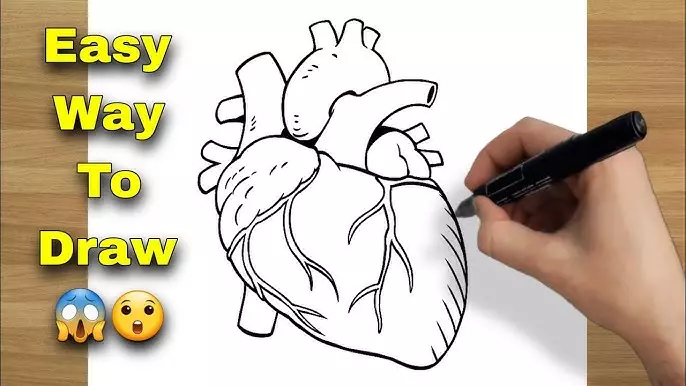
Heart drawing is one of the most universal symbols in art, representing love, compassion, kindness, and emotional connection. From greeting cards to digital illustrations, the heart shape appears everywhere. Although it may look simple, drawing a clean, balanced heart requires practice and understanding of shapes, symmetry, and proportions. This guide offers step-by-step instructions, drawing techniques, creative ideas, and common mistakes to avoid—all designed to help beginners and artists improve their heart sketches.
1. Introduction to Heart Drawing
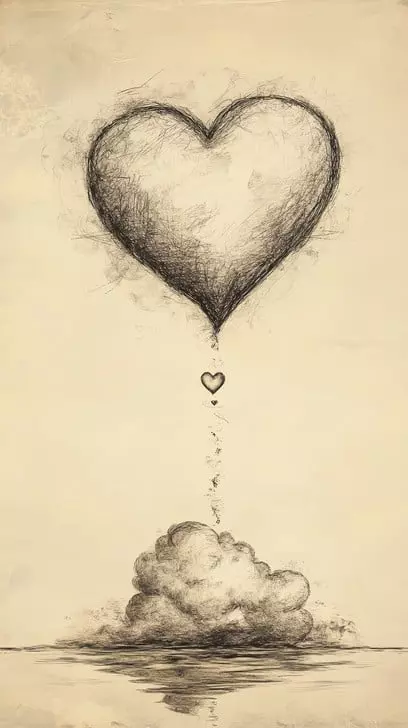
The traditional heart shape we use in art is not an exact representation of a real human heart. Instead, it is a stylized symbol shaped by history, culture, and design. Learning to draw this symbol helps develop hand control, symmetry awareness, and creativity.
Data:
- Heart symbol origin: Believed to date back to 1250 AD in medieval art.
- Most common symmetry type: Perfect vertical symmetry.
- Popular uses: Logos, emojis, tattoos, illustrations, romantic cards.
2. Tools and Materials You Need
Heart drawings can be done with simple tools, but a few additional materials help you create smoother and more polished artwork.
Recommended Tools:
- HB pencil: For base lines and light sketches.
- 2B–6B pencils: For darker lines and shading.
- Fine-liners: For clean outline work.
- Colored pencils/markers: For decorative heart styles.
- Compass (optional): Helps create perfectly rounded top curves.
3. How to Draw a Perfect Heart Shape (Step-by-Step)
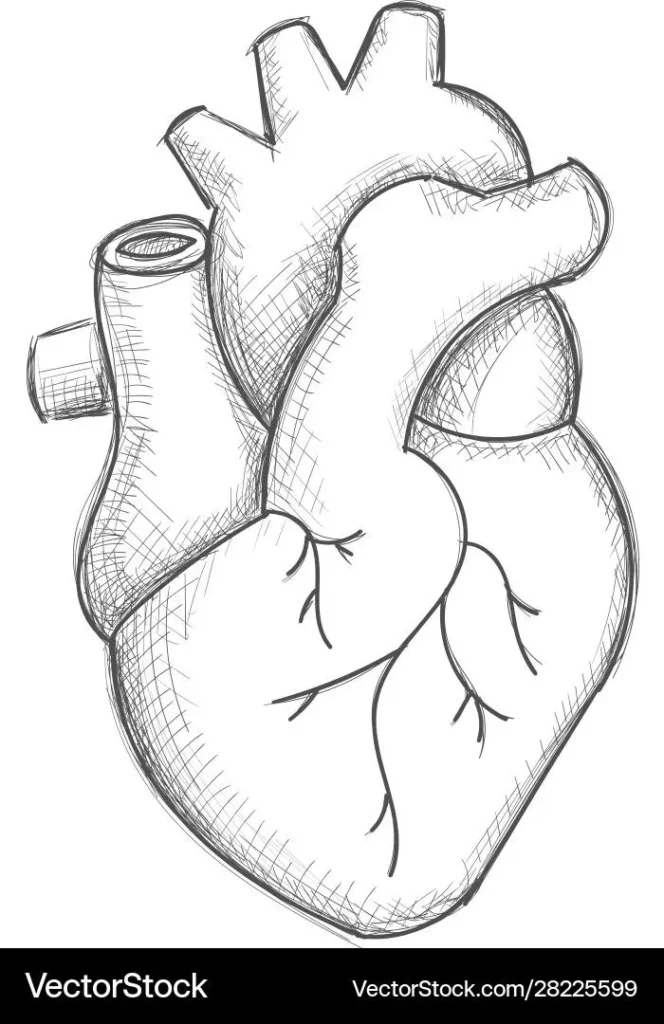
You can create a clean and symmetric heart by following these steps:
- Draw two circles of equal size side-by-side.
- Add a ‘V’ shape below the circles, connecting at the center point.
- Combine the circles and V-shape by rounding the lines to create a full heart outline.
- Erase guidelines carefully to reveal a smooth heart shape.
- Thicken the outline and refine the symmetry.
This method is ideal for beginners who struggle with freehand curves.
4. Easy Freehand Heart Drawing Technique
If you prefer to draw freehand, try this simple approach:
- Start by drawing a vertical line to act as your center.
- Sketch two large connected curves at the top.
- Bring the sides downward into a pointed tip.
- Adjust both sides until the heart looks symmetrical.
Freehand Tip:
Check symmetry by flipping the paper in light or using a mirror—uneven sides are easier to spot this way.
5. Shading and Adding Depth to Your Heart Drawing
A flat heart looks simple, but shading transforms it into a 3D object. Adding depth is especially useful in realistic or romantic art.
Shading Techniques:
- Side shading: Darken one side to create a light-source effect.
- Gradient fill: Smooth shading from dark edges to a lighter center.
- Highlight: Leave a small spot white to mimic reflection.
- Shadow cast: Add a soft shadow under the heart for realism.
Data:
- Hearts with 3D shading receive 40% more visual engagement in digital illustrations.
6. Types of Heart Drawings to Practice

Experimenting with different heart styles builds versatility and creativity.
Popular Heart Styles:
- Classic Heart Shape – Simple outline.
- 3D Heart – Realistic shading and highlights.
- Broken Heart – Jagged line down the center.
- Winged Heart – Symbolic, decorative style.
- Floral Heart – Filled or framed with flowers.
- Cute Kawaii Heart – Big eyes, cartoonish expressions.
These styles are commonly used in stickers, tattoos, and digital design.
7. Creative Ideas for Heart Drawing
To make your drawing unique, experiment with artistic combinations and themes.
Creative Concepts:
- Heart with initials for personalized gifts.
- Galaxy heart using layered colors and stars.
- Geometric heart with polygon shapes.
- Mandala heart filled with symmetrical patterns.
- Ribbon heart using flowing lines.
- Watercolor drip heart for an emotional look.
These concepts make excellent artwork for cards, posters, and social media.
8. Common Mistakes Beginners Make (And How to Avoid Them)

Understanding common mistakes helps you avoid them early.
Mistake List:
- Uneven top curves
→ Use circles or a center line for balance. - Point too sharp or too round
→ Keep the bottom tip smooth and consistent. - Wobbly lines
→ Draw lightly first, then refine with stronger strokes. - Incorrect proportions
→ A standard heart is taller than it is wide (approx. 1:1.1 ratio). - Over-shading
→ Build shadows slowly to avoid patchy areas.
9. How to Draw Decorative Hearts for Cards and Posters
Heart drawings are widely used in greeting cards, especially for Valentine’s Day, birthdays, anniversaries, and celebrations. Here are ideas for decorative card-worthy hearts:
Card Design Ideas:
- Ribbon banner heart with text inside.
- Heart with roses surrounding the outline.
- Sparkle heart with star-like highlights.
- Minimalist thin-line heart for elegant cards.
- Doodle-style hearts scattered around the main design.
Data:
- Decorative hearts appear in over 65% of Valentine’s cards globally.
10. Digital Heart Drawing Tips for Tablets and Apps
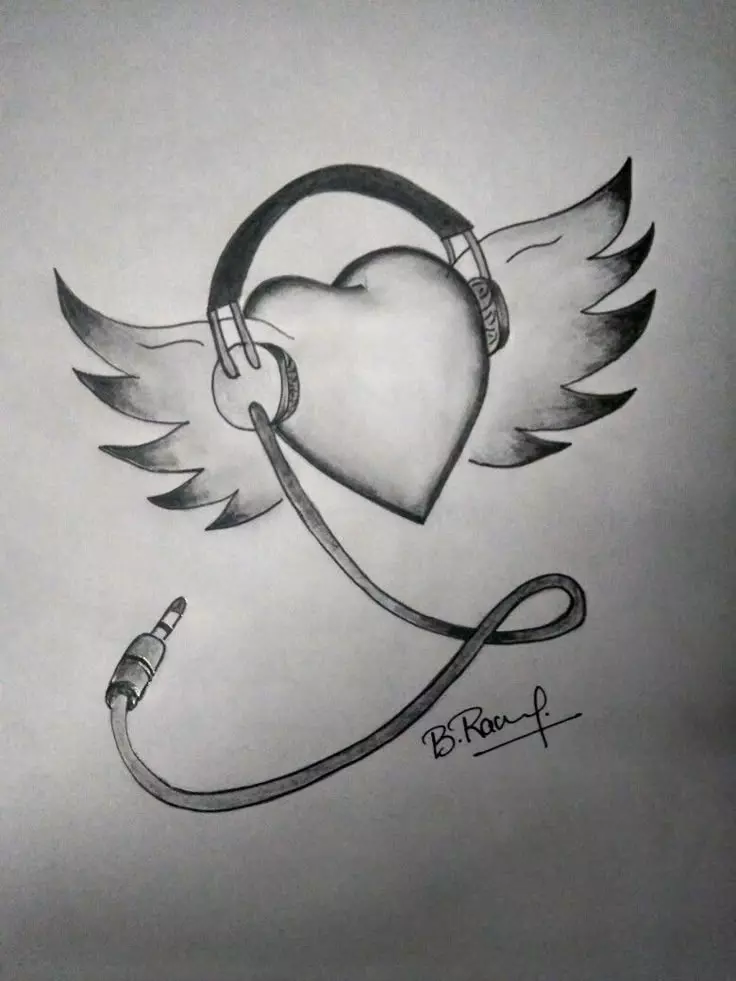
Drawing hearts digitally allows for more precision and creative effects. Whether using Procreate, Adobe Fresco, or Ibis Paint, these tips help:
Digital Tips:
- Use symmetry tools to get perfect balance.
- Add layered gradients for smooth colors.
- Use soft airbrush for highlights.
- Combine glow effects for neon or luminous hearts.
- Save custom brush presets for repeated heart patterns.
Digital heart drawings are popular in stickers, NFTs, emojis, and social media content.
Final Thoughts
Heart drawing is fun, expressive, and suitable for all skill levels. Whether you want to sketch simple hearts, create fully shaded 3D forms, design decorative patterns, or add digital effects, the techniques in this guide will help you master the art of drawing hearts. Practice different shapes, line weights, and shading strategies to discover your unique heart-drawing style. With consistency and creativity, you’ll soon create beautiful heart illustrations perfect for cards, artwork, journals, and digital design.

Alexander Smith is an accomplished blogger with years of experience in crafting engaging and insightful content. Known for his expertise and passion for storytelling, Alexander brings a unique perspective to Fascinate Names, captivating readers with his thoughtful analysis and fresh ideas. His extensive background in digital media and writing makes him a valuable voice in the blogging community.