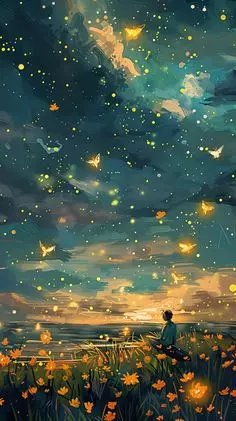
Phone wallpapers are more than just background images on a screen; they are a reflection of personality, mood, taste, and even lifestyle. In a world where smartphones are checked hundreds of times a day, the wallpaper becomes one of the most frequently seen digital visuals in our lives. From minimalistic designs to vibrant artwork, from personal photos to AI-generated masterpieces, phone wallpapers play a subtle yet powerful role in how we experience our devices.
This in-depth article explores everything you need to know about phone wallpapers: their history, types, design principles, psychological effects, technical considerations, trends, and future possibilities. Whether you are a casual user, a designer, or someone looking to personalize their phone meaningfully, this comprehensive guide will help you make informed and creative choices.
1. What Is a Phone Wallpaper?

A phone wallpaper is an image, pattern, or design displayed as the background on a smartphone’s home screen or lock screen. It serves both aesthetic and functional purposes, helping users personalize their device while also ensuring icons and text remain visible.
Modern smartphones allow separate wallpapers for the lock screen and home screen, enabling users to express multiple styles or moods at once. Wallpapers can be static images, live wallpapers with subtle motion, or dynamic wallpapers that change based on time, location, or system settings.
2. A Brief History of Phone Wallpapers
The concept of wallpapers began with desktop computers, but early mobile phones had extremely limited display capabilities. Monochrome screens in the late 1990s allowed only basic patterns. As color screens emerged, manufacturers introduced simple built-in wallpapers.
With the rise of smartphones and high-resolution displays, wallpapers evolved into a major form of digital art. App stores, online platforms, and social media communities now host millions of wallpapers catering to every imaginable taste.
3. Why Phone Wallpapers Matter
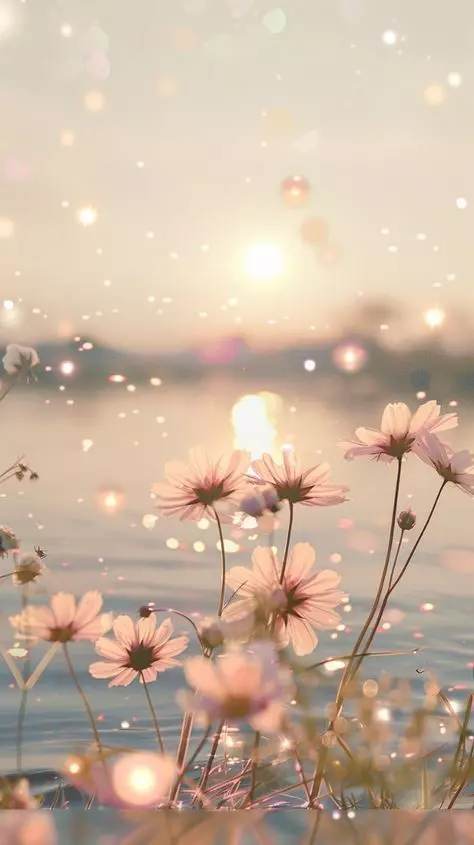
Phone wallpapers influence how users emotionally connect with their devices. A calming wallpaper can reduce stress, while an energetic design can boost motivation. Wallpapers also reflect identity, values, fandoms, and creativity.
For many people, changing a wallpaper marks a fresh start—new goals, a new season, or a new mindset. It is a simple but powerful form of self-expression.
4. Types of Phone Wallpapers
Phone wallpapers come in many forms, including:
- Static wallpapers: Simple images with no motion
- Live wallpapers: Animated or interactive backgrounds
- Minimal wallpapers: Clean, uncluttered designs
- Abstract wallpapers: Artistic shapes, colors, and patterns
- Nature wallpapers: Landscapes, animals, and natural scenes
- Typography wallpapers: Quotes and text-based designs
Each type serves a different purpose and aesthetic preference.
5. Static vs Live Wallpapers
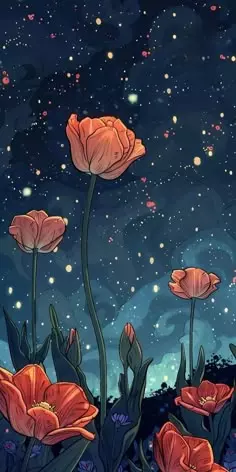
Static wallpapers consume minimal battery and system resources. They are ideal for users who value performance and simplicity.
Live wallpapers, on the other hand, add movement and interactivity. While visually appealing, they may consume more battery power, depending on the design and device optimization.
Choosing between the two depends on personal preference, phone specifications, and battery priorities.
6. Minimalist Phone Wallpapers
Minimalist wallpapers focus on simplicity, negative space, and subtle colors. They are popular because they make app icons easy to see and create a clean, professional look.
These wallpapers often feature geometric shapes, soft gradients, or single objects placed strategically within the frame.
7. Abstract and Artistic Wallpapers

Abstract wallpapers appeal to users who enjoy creativity and imagination. They do not depict real-world objects but instead focus on shapes, textures, and color combinations.
These wallpapers are especially effective on AMOLED displays, where deep blacks and vibrant colors stand out beautifully.
8. Nature-Inspired Wallpapers
Nature wallpapers bring elements of the outdoors onto your screen. Common themes include mountains, forests, oceans, sunsets, flowers, and animals.
Studies suggest that viewing natural imagery can reduce stress and improve focus, making nature wallpapers a popular choice for mental well-being.
9. Dark Wallpapers and AMOLED Benefits
Dark wallpapers are not only stylish but also practical. On AMOLED and OLED screens, black pixels are turned off, which saves battery life.
Dark wallpapers also reduce eye strain in low-light environments and give phones a sleek, modern appearance.
10. Personalized and Custom Wallpapers
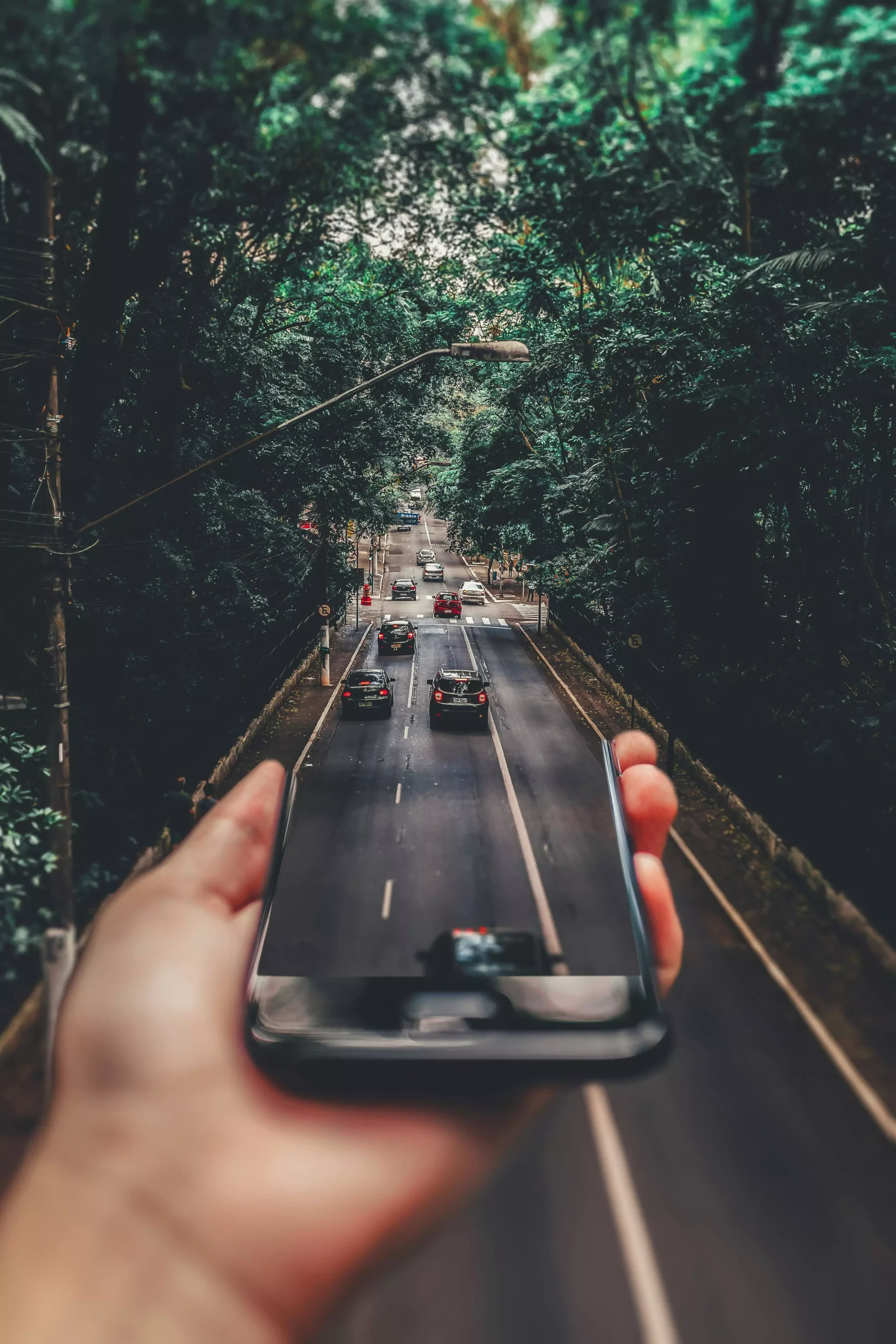
Personal photos, digital art, and custom designs make wallpapers deeply personal. Users often choose images of loved ones, pets, travel memories, or original artwork.
Customization tools and apps now allow users to crop, adjust colors, add text, and apply filters to create unique wallpapers.
11. Resolution and Aspect Ratio Considerations
Choosing the correct resolution is essential for a sharp and clear wallpaper. Low-resolution images may appear blurry or pixelated.
Modern smartphones use various aspect ratios, so wallpapers should be optimized or adaptable to different screen sizes to avoid unwanted cropping.
12. Designing Your Own Phone Wallpaper
Creating your own wallpaper can be a rewarding creative process. Basic design principles such as balance, contrast, and simplicity help ensure the wallpaper looks good behind icons.
Many free and paid tools allow beginners to design wallpapers without advanced graphic design skills.
13. Phone Wallpaper Apps and Platforms
There are countless apps and websites dedicated to wallpapers. These platforms categorize wallpapers by style, resolution, and device compatibility.
Some apps also offer daily wallpaper updates, curated collections, and AI-generated designs.
14. Trends in Phone Wallpapers
Current trends include:
- AI-generated art
- Soft gradients and pastel colors
- Retro and vaporwave aesthetics
- 3D and depth-effect wallpapers
- Seasonal and mood-based designs
Wallpaper trends often reflect broader design and cultural movements.
15. Psychological Impact of Wallpapers
Colors, imagery, and composition can influence emotions. Blue tones may promote calmness, while bright colors can energize the user.
Motivational quotes can encourage positivity, while cluttered designs may increase cognitive load.
16. Wallpapers for Productivity
Productivity-focused wallpapers often use minimal designs, muted colors, and subtle reminders. Some include calendar layouts or goal-oriented text.
A well-chosen wallpaper can reduce distractions and help maintain focus.
17. Wallpapers for Branding and Business
Businesses and professionals sometimes use branded wallpapers to maintain consistency across devices. This is common in corporate environments and promotional campaigns.
Branded wallpapers can include logos, brand colors, and slogans while maintaining a clean design.
18. Seasonal and Event-Based Wallpapers
Many users change wallpapers based on seasons, holidays, or special events. Examples include winter themes, festive designs, or birthday wallpapers.
This practice keeps the phone experience fresh and emotionally engaging.
19. The Future of Phone Wallpapers
Future wallpapers may become more interactive and adaptive. Technologies like AI, AR, and sensors could allow wallpapers to respond to mood, weather, or usage patterns.
Dynamic wallpapers that evolve over time may become the norm.
20. How to Choose the Perfect Phone Wallpaper
The perfect wallpaper balances beauty, functionality, and personal meaning. Consider factors such as screen type, icon visibility, battery impact, and emotional response.
Experimenting with different styles helps users discover what truly resonates with them.
Frequently Asked Questions (FAQs)
1. What is the best resolution for a phone wallpaper?
The best resolution matches or exceeds your phone’s screen resolution.
2. Do live wallpapers drain battery?
Some live wallpapers may use more battery, especially if they are highly animated.
3. Are dark wallpapers better for eyes?
Dark wallpapers can reduce eye strain in low-light conditions.
4. Can wallpapers affect phone performance?
Static wallpapers have minimal impact, while heavy live wallpapers may affect performance slightly.
5. How often should I change my wallpaper?
There is no rule; change it whenever you want a fresh look or motivation.
6. Can I use personal photos as wallpapers?
Yes, personal photos are a popular and meaningful choice.
7. What are AMOLED wallpapers?
They are wallpapers optimized for AMOLED screens, often using deep blacks.
8. Are wallpaper apps safe?
Most reputable apps are safe, but always check permissions.
9. Can I create my own wallpaper without design skills?
Yes, many beginner-friendly tools are available.
10. Do wallpapers affect phone storage?
High-resolution images may use more storage, but usually not significantly.
Conclusion
Phone wallpapers are a small but powerful aspect of digital life. They combine art, technology, psychology, and personal expression into a single visual experience that users engage with daily. From minimal designs to dynamic animations, wallpapers offer endless possibilities for customization.
Choosing the right phone wallpaper can improve aesthetics, mood, productivity, and even battery efficiency. As smartphone technology continues to evolve, wallpapers will likely become smarter, more interactive, and more personalized than ever before. Ultimately, the best wallpaper is one that makes your phone feel truly yours.

Alexander Smith is an accomplished blogger with years of experience in crafting engaging and insightful content. Known for his expertise and passion for storytelling, Alexander brings a unique perspective to Fascinate Names, captivating readers with his thoughtful analysis and fresh ideas. His extensive background in digital media and writing makes him a valuable voice in the blogging community.